
Ontario SABS: Acquired Brain Injury Funding At Risk After Changes
Summary
- Ontario's Statutory Accident Benefits Schedule (SABS) underwent significant changes on July 1, 2026, making several benefits, including Income Replacement Benefits (IRB), optional instead of mandatory.
- Jamie Davison of McLeish Orlando LLP highlights that survivors of acquired brain injury (ABI) are particularly vulnerable to these changes due to the complex and often invisible nature of their impairments.
- The existing support systems for ABI are fragmented, and the $65,000 SABS medical rehabilitation limit for non-catastrophic injuries is often insufficient.
- Proving catastrophic impairment for ABI is challenging under current SABS criteria, as common symptoms like headaches or medication use typically do not meet the high thresholds.
- Davison's primary concern is the lack of mandatory IRB for ABI clients, as their ability to work is often severely impacted, unlike many individuals with physical injuries.
What Happened: Ontario's SABS Overhaul
Lawyers are frequently compelled to "pigeonhole" clients into definitions that Davison believes are awkward and inaccurately reflect the true nature of ABI impairments, highlighting a fundamental disconnect between the legal definitions and the lived reality of these injuries.
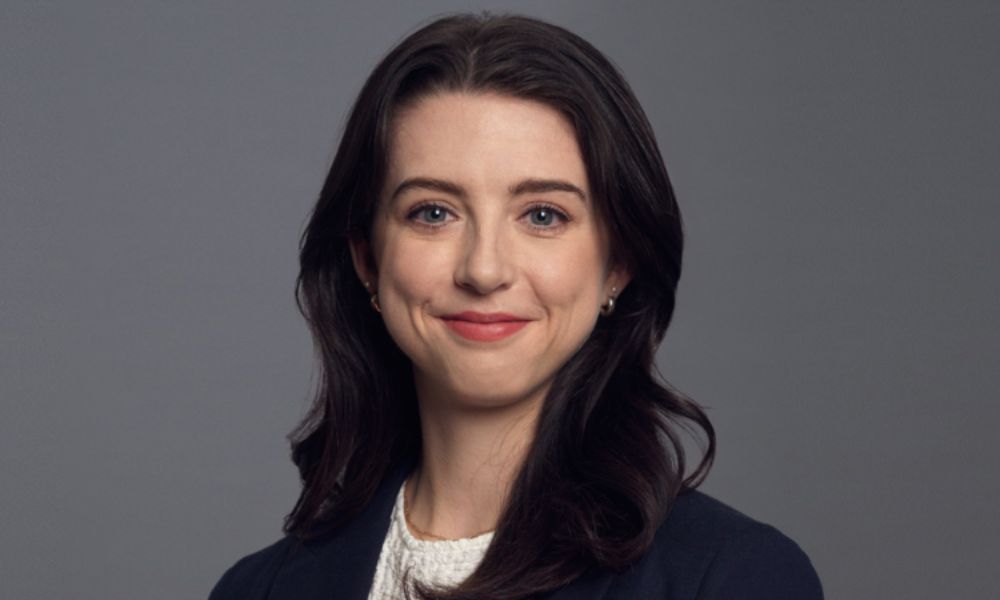
Jamie Davison, an associate specializing in personal injury at McLeish Orlando LLP in Toronto, frequently navigates the city on foot. She observes that Toronto's infrastructure is not ideally suited for extensive pedestrian traffic, a detail that underscores her professional insights into accident risks. Davison highlights a significant shift in Ontario's insurance landscape, noting that her own commute became considerably more precarious following changes to the Statutory Accident Benefits Schedule (SABS) that took effect on July 1, 2026.
These sweeping Statutory Accident Benefits Schedule changes converted several key benefits from mandatory to optional, with Income Replacement Benefits (IRB) being a primary example. Davison emphasizes that the ramifications of this overhaul are profound yet largely unrecognized by the general public, who stand to be most affected. Personally, she has taken steps to mitigate her own risk, adding herself as an occasional driver to her retired parents' car insurance policy and ensuring they opted for IRB coverage, despite their unlikely need for it.
Davison points out that while her firm, McLeish Orlando, possesses the necessary integration within the insurance sector to comprehend these implications, many individuals remain unaware of the adjustments. She expresses concern for those who have not encountered information regarding these changes, suggesting they may inadvertently leave themselves vulnerable to significant financial and medical exposure in the event of an accident.
The Acquired Brain Injury Funding Gap
Among the groups most impacted by the new SABS regime, Jamie Davison identifies survivors of acquired brain injury (ABI) as particularly exposed. She draws a parallel between the often-invisible nature of ABIs and the subtle, yet serious, consequences of the recent insurance reforms. Unlike more overt physical injuries such as a broken arm or limb loss, the extent of impairment experienced by an ABI survivor is frequently not apparent to those around them.
Acquired brain injuries can manifest in a complex array of physical, cognitive, or psychological symptoms, often presenting as a combination of these. The existing framework of support for individuals with ABI is highly fragmented, relying on various systems that are not comprehensively designed to address the full spectrum of their needs. While OHIP covers specific medically necessary health services, and community or publicly funded programs exist, accessing these resources is often hindered by stringent eligibility criteria, capacity limitations, and extensive waitlists.
Further complicating the support landscape, private extended health benefits typically offer an additional layer of coverage. However, this support can be entirely lost if an individual becomes unable to work, creating a critical gap in their care and financial stability. This patchwork of services, coupled with the inherent challenges of ABI, contributes significantly to what Davison terms the "Jamie Davison ABI funding gap."
Challenges in Proving Catastrophic Impairment
A critical issue within the SABS framework for ABI survivors is the threshold for catastrophic impairment. If an individual does not meet this stringent classification, the allocated $65,000 for medical rehabilitation under SABS is often woefully insufficient to cover the long-term care required for an acquired brain injury. Proving catastrophic impairment in the context of an ABI presents substantial difficulties, as the criteria are not always aligned with the injury's nuanced presentation.
To qualify for catastrophic impairment based on whole person impairment without positive imaging, an individual must demonstrate at least 53 percent impairment, which is then rounded up to 55 percent. Davison's experience indicates that common physical symptoms of ABI, such as persistent headaches or the need for medication, typically do not suffice to meet this demanding threshold. An alternative route involves proving at least three "marked" impairments across categories of mental and behavioral dysfunction.
However, Davison notes that this psychological pathway is far from straightforward when dealing with the complexities of a brain injury. She describes a significant "gap" where clients, often 12 to 16 months post-injury, are clearly debilitated and unable to work or function, yet struggle to fit into the pre-existing SABS categories. Lawyers are frequently compelled to "pigeonhole" clients into definitions that Davison believes are awkward and inaccurately reflect the true nature of ABI impairments, highlighting a fundamental disconnect between the legal definitions and the lived reality of these injuries. This underscores the challenges in securing adequate Ontario catastrophic impairment ABI funding.
Why It Matters: The Impact of Optional Benefits
While the funding gaps created by the Statutory Accident Benefits Schedule changes are, in principle, injury-neutral, Jamie Davison identifies the shift of Income Replacement Benefits (IRB) from mandatory to optional as her most significant concern for clients grappling with acquired brain injuries. The absence of guaranteed IRB can leave ABI survivors, who often face profound and lasting challenges to their ability to work, without a crucial safety net.
Davison contrasts this with clients suffering from physical injuries, many of whom have been able to maintain employment, particularly with the rise of remote work and other virtual career opportunities. For ABI survivors, whose impairments can affect cognitive function, memory, and psychological well-being, returning to or retaining employment can be far more challenging, making the availability of robust SABS income replacement benefits optional coverage absolutely vital. The overall effect of these changes is a heightened vulnerability for those with acquired brain injuries, exacerbating the Jamie Davison ABI funding gap and underscoring the need for careful consideration of insurance choices in Ontario.
Practical Implications
Lawyers and compliance officers in Ontario must be aware of the funding gaps created by recent SABS changes, particularly how optional Income Replacement Benefits and challenges in proving catastrophic impairment impact clients with acquired brain injuries. This necessitates proactive client counseling on insurance options and strategic approaches to personal injury claims involving ABI.
Source
How does this affect you?
Get an AI analysis of this article grounded in your jurisdictions, practice areas, and any policy documents you've uploaded to Wansom.
Finish Reading the Full Story and the Expert Analysis.
Get the latest legal & regulatory intelligence in Canada
Wansom is AI and can make mistakes.