
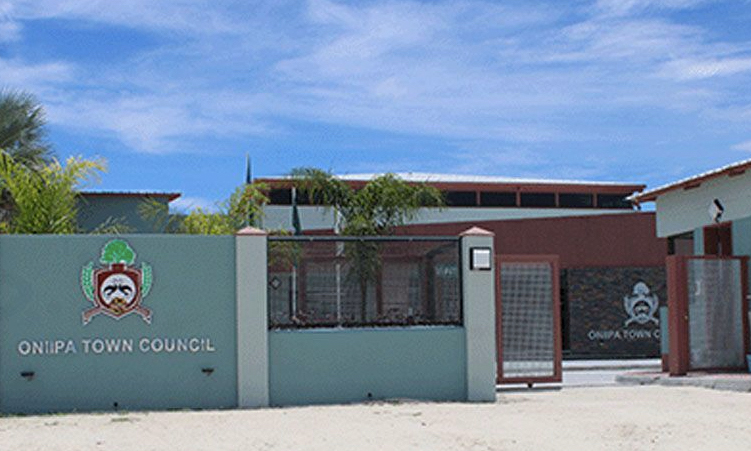
Oniipa Town Council: Financial Mismanagement Audit Reveals N$568,000 Disappearance
Summary
- An internal audit revealed widespread financial mismanagement, alleged embezzlement, and severe administrative failures at the Oniipa Town Council.
- These issues occurred between 2021 and 2024, leading to N$568,000 effectively disappearing.
- The Ministry of Urban and Rural Development's internal audit division, led by Martin Ngubai, conducted the investigation.
- The audit specifically identified widespread weaknesses in the council’s internal controls.
- This case highlights a significant enforcement focus on financial accountability within Namibian local government.
Uncovering Financial Irregularities at Oniipa
The findings from this audit could precipitate increased scrutiny of other local councils, prompting a review of their financial practices and administrative frameworks to prevent similar occurrences.
An internal audit has brought to light significant financial mismanagement, alleged embezzlement, and severe administrative failures within the Oniipa Town Council. These critical issues were identified over a three-year period, specifically between 2021 and 2024, indicating a sustained pattern of oversight deficiencies.
The findings underscore a troubling lack of financial accountability at the local government level, with the audit detailing how a substantial sum of N$568,000 effectively 'disappeared' from the council's coffers. This specific amount highlights the tangible impact of the identified shortcomings, pointing to a direct loss of public funds under the council's stewardship.
The Audit's Scope and Findings
The comprehensive investigation into the Oniipa Town Council's operations was spearheaded by the Ministry of Urban and Rural Development’s internal audit division. This governmental oversight body played a crucial role in scrutinizing the council's financial practices and administrative protocols.
Leading this critical examination was Martin Ngubai, the deputy director of internal audits, whose team meticulously uncovered widespread weaknesses in the council’s internal controls. These systemic deficiencies are directly linked to the broader issues of financial mismanagement and the alleged embezzlement, indicating that the council's foundational systems for safeguarding public resources were inadequate and prone to exploitation.
Broader Implications for Local Governance
The revelations from the Oniipa Town Council financial mismanagement audit carry significant implications for local governance across Namibia. This case highlights an intensifying enforcement focus on financial mismanagement within Namibian local government, signaling a clear intent from central authorities to address corruption and inefficiency at the municipal level.
The identification of such widespread internal control weaknesses suggests a need for heightened vigilance and more robust oversight mechanisms across all municipal entities. The findings from this audit could precipitate increased scrutiny of other local councils, prompting a review of their financial practices and administrative frameworks to prevent similar occurrences. This situation underscores the critical importance of transparent and accountable financial management for maintaining public trust and ensuring the effective delivery of services to citizens.
Practical Implications
This case highlights the enforcement focus on financial mismanagement within Namibian local government, signaling potential criminal or civil actions against officials and increased scrutiny of internal controls for other municipal entities. Lawyers and compliance officers should review their clients' exposure to similar risks and ensure robust financial oversight mechanisms are in place.
Source
How does this affect you?
Get an AI analysis of this article grounded in your jurisdictions, practice areas, and any policy documents you've uploaded to Wansom.
Finish Reading the Full Story and the Expert Analysis.
Get the latest legal & regulatory intelligence in Namibia
Wansom is AI and can make mistakes.