
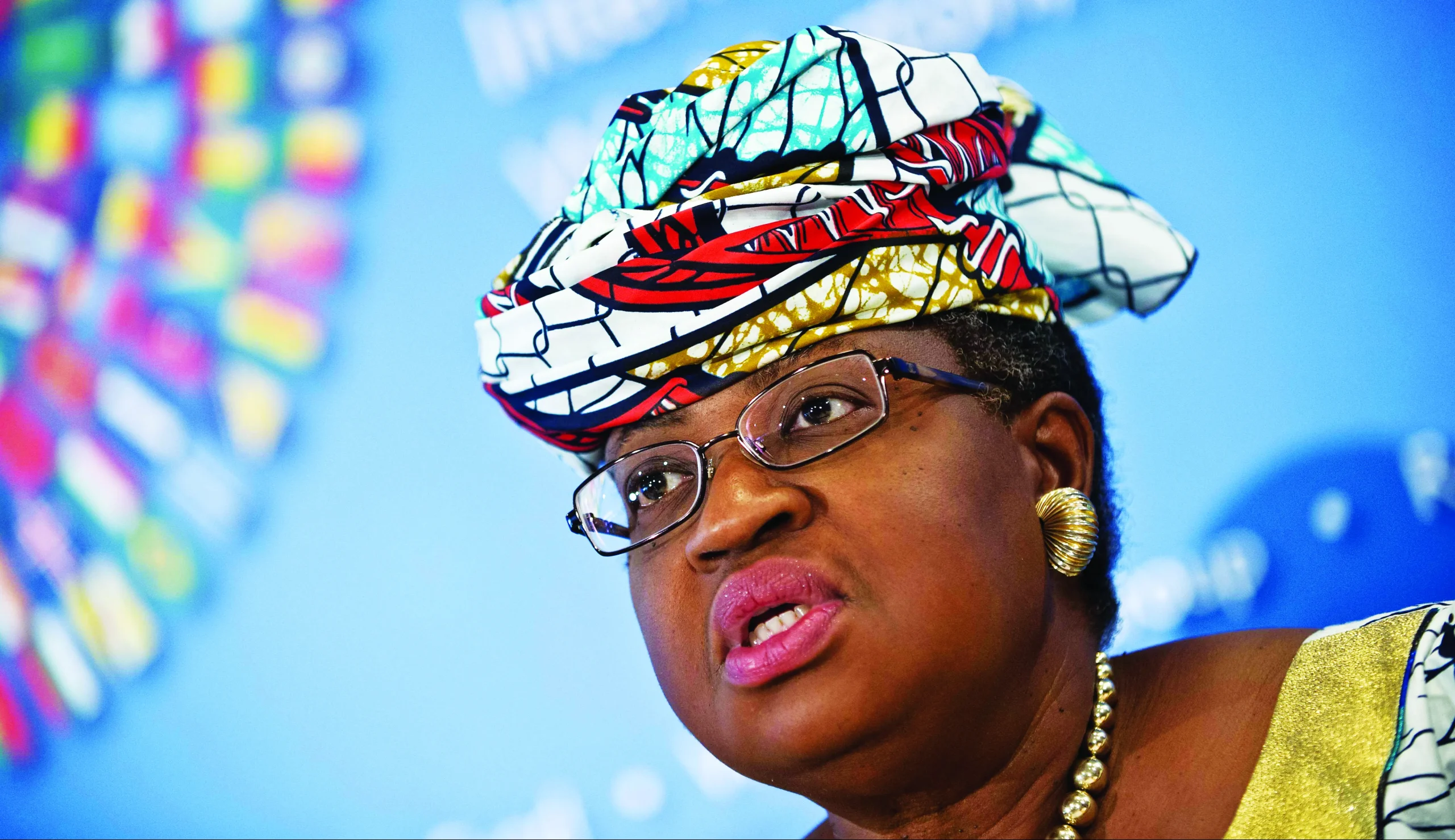
Okonjo-Iweala: $2.4bn Subsidy Fraud Led To Mother's Kidnap
Summary
- Dr. Ngozi Okonjo-Iweala, WTO Director-General, revealed her mother was kidnapped during a $2.4 billion fuel subsidy fraud investigation in Nigeria.
- Her efforts to uncover the alleged $2.4bn subsidy fraud directly led to the abduction of her mother.
- The incident highlights the extreme personal risks and immense pressures faced by officials in high-stakes anti-corruption probes in Nigeria.
- This experience underscores the significant challenges and dangers for those fighting corruption in complex environments.
A High-Stakes Investigation
The incident highlights the extreme personal risks and immense pressures faced by high-ranking officials in Nigeria when they undertake investigations into large-scale financial malfeasance, particularly those involving powerful vested interests.
Dr. Ngozi Okonjo-Iweala, currently serving as the Director-General of the World Trade Organisation (WTO), has recently provided a candid account of a perilous period during her tenure in Nigeria's government. She revealed that her determined efforts to uncover an alleged $2.4 billion fuel subsidy fraud in Nigeria directly precipitated a severe personal crisis for her family. This significant Nigeria fuel subsidy fraud investigation became a focal point of her work, aiming to address widespread corruption within the nation's financial systems and reclaim substantial public funds.
Her commitment to transparency and accountability in the face of the alleged $2.4bn subsidy fraud led to unforeseen and deeply distressing consequences. The probe into these illicit financial activities was not merely a bureaucratic exercise but one fraught with considerable danger, highlighting the intense resistance encountered when challenging entrenched corrupt practices. The sheer scale of the alleged fraud, involving billions of dollars, underscored the deep-seated challenges of governance and financial integrity that Dr. Okonjo-Iweala was confronting head-on during her time as a key economic minister.
The Personal Toll of Public Service
The most harrowing outcome of this anti-corruption drive was the kidnapping of Dr. Ngozi Okonjo-Iweala's mother. This act of abduction served as a direct and brutal response to her relentless pursuit of justice in the subsidy fraud probe, a clear attempt to intimidate and derail the investigation. The incident highlights the extreme personal risks and immense pressures faced by high-ranking officials in Nigeria when they undertake investigations into large-scale financial malfeasance, particularly those involving powerful vested interests who stand to lose significantly from exposure.
The Okonjo-Iweala mother kidnap incident stands as a stark reminder of the dangerous environment in which anti-corruption crusades often unfold in certain regions. It underscores that the fight against corruption, especially concerning significant sums like the alleged $2.4bn subsidy fraud, can extend beyond professional challenges to threaten the personal safety and well-being of an official's family members. Such events can have a chilling effect on those tasked with upholding financial integrity, potentially deterring others from similar courageous actions.
Broader Implications for Governance and Risk
This revelation by the WTO Director-General Nigeria corruption experience offers critical insights into the broader landscape of governance and the challenges of reform. The fact that a high-profile figure like Dr. Okonjo-Iweala faced such a severe personal attack due to her work on the $2.4bn subsidy fraud underscores the formidable obstacles to combating corruption effectively within the Nigerian context. It sends a clear message about the lengths to which perpetrators of financial crimes may go to obstruct justice and intimidate those seeking to expose them, creating a climate of fear for reformers.
For legal and compliance professionals, this account serves as a crucial case study on the real-world dangers associated with anti-corruption efforts in complex environments. The subsidy fraud probe Nigeria risks are not abstract; they manifest in tangible threats to individuals and their families, demanding a comprehensive understanding of the operational and personal security landscape. Understanding these profound personal stakes is essential for advising on or engaging in similar probes, emphasizing the need for robust security measures, international support, and a clear strategy to mitigate such severe repercussions for officials committed to good governance.
Practical Implications
This account underscores the significant personal risks and pressures faced by officials involved in high-profile anti-corruption investigations in Nigeria, which lawyers and compliance officers should consider when advising on or engaging in similar probes.
Source
How does this affect you?
Get an AI analysis of this article grounded in your jurisdictions, practice areas, and any policy documents you've uploaded to Wansom.
Finish Reading the Full Story and the Expert Analysis.
Get the latest legal & regulatory intelligence in Nigeria
Wansom is AI and can make mistakes.