
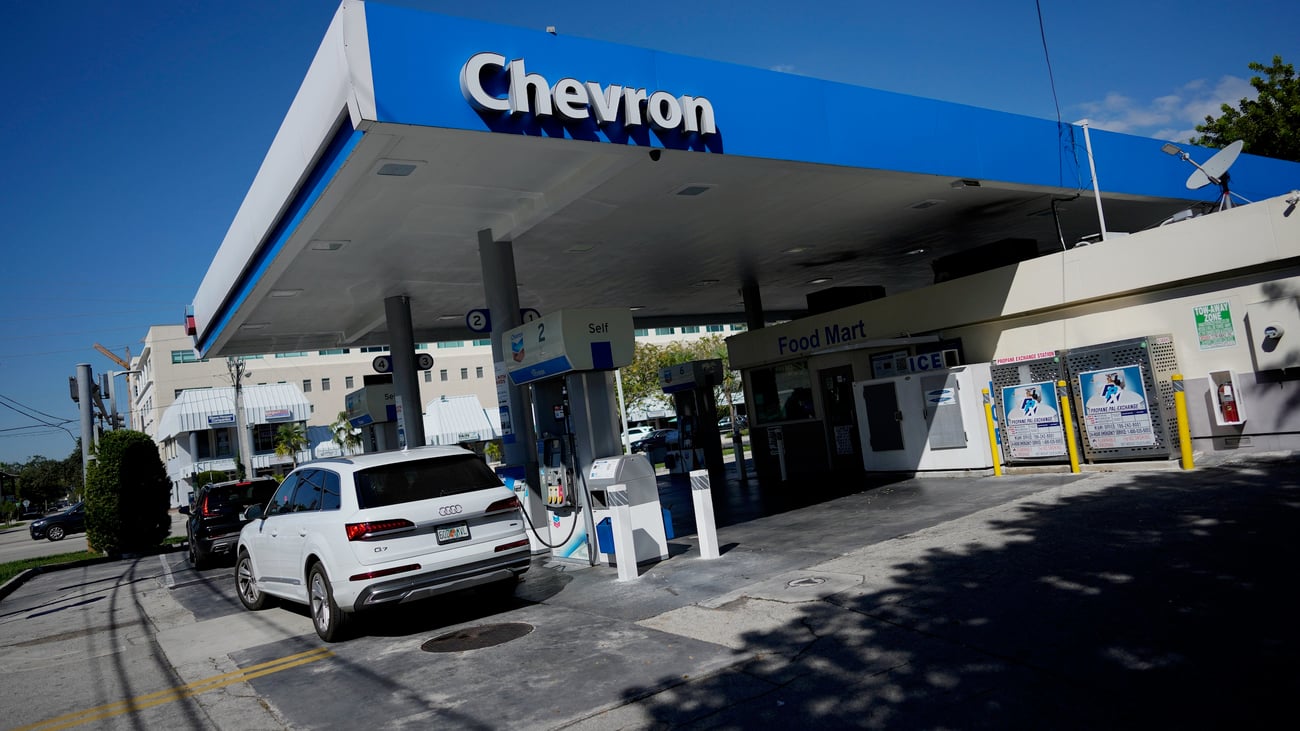
Ohio: 90-Day Gas Tax Holiday Legislation Approved
Summary
- Ohio lawmakers have passed a 90-day state gas tax holiday, suspending 38.5 cents per gallon for gasoline and 47 cents for diesel, with Governor DeWine expected to sign it into law.
- The Ohio fuel tax suspension bill, funded by $725 million from the state's general fund, will provide relief through the remainder of the year.
- Approximately one-third of U.S. states have implemented some form of fuel tax relief, including Georgia, Indiana, and Utah, in response to surging energy prices.
- Several states have also enacted targeted relief for the agricultural sector by exempting dyed diesel fuel from taxes for off-road machinery during harvest season.
- These state-level actions are driven by high fuel prices, which have increased significantly since the war in Iran began, and by affordability concerns ahead of midterm elections.
Ohio Enacts Temporary Fuel Tax Suspension
The temporary suspension of fuel taxes across various states underscores a broader effort to mitigate the economic strain on consumers and businesses amidst elevated energy costs and upcoming elections.
Ohio lawmakers have approved a 90-day state gas tax holiday, a measure that received broad bipartisan support and is expected to be signed into law by Governor Mike DeWine. This legislation will temporarily suspend the state's 38.5-cent-per-gallon tax on gasoline and the 47-cent-per-gallon tax on diesel fuel, with the relief extending through the remainder of the current year. To ensure that essential infrastructure projects are not impacted, the plan allocates $725 million from the state's general fund to cover the revenue typically generated by these fuel taxes, which are dedicated to road and bridge maintenance.
The legislative push for this Ohio fuel tax suspension bill was spurred by recent political developments. Republican legislative leaders quickly reconvened lawmakers after Democratic gubernatorial candidate Amy Acton publicly advocated for a gas tax holiday, followed shortly by rival Republican Vivek Ramaswamy announcing a similar proposal. While Democrats criticized Ramaswamy for appearing to appropriate Acton's idea, his allies defended his plan as substantive. Ohio Senate President Rob McColley, Ramaswamy's running mate, utilized a procedural maneuver to expedite the debate, suggesting that Democratic opposition was merely for show. However, Senate Democratic Leader Nickie Antonio noted that one proposal had called for an end to the conflict in Iran, highlighting broader concerns.
Republican state Senator Michele Reynolds, a co-sponsor of the legislation, emphasized that the measure is intended to offer much-needed relief to Ohioans grappling with escalating fuel costs. Conversely, Democratic state Representative Allison Russo, who is a candidate for secretary of state, characterized the initiative as an election-year "stunt." Russo projected that the temporary tax break would save Ohio residents an average of $55 over the three-month period it is in effect. This legislative action in Ohio reflects a growing trend among U.S. states to address the financial burden of high fuel prices.
Widespread State-Level Fuel Tax Relief Measures
Ohio's move to suspend its fuel taxes is part of a broader national trend, with approximately one-third of U.S. states having implemented some form of fuel tax relief. Many of these actions have occurred within the last week, signaling a rapid response to current economic pressures. States have adopted various approaches, including outright suspension of fuel taxes, temporary reductions in tax rates, or targeted relief for specific industries.
Georgia was the first state to suspend its fuel taxes in March, following a significant increase in prices attributed to the Middle East conflict. Governor Brian Kemp initially extended this Georgia motor fuel tax holiday extension into June and recently announced a new 30-day resumption of the tax break, which commenced earlier this week. Indiana Governor Mike Braun has also repeatedly extended a fuel tax exemption since spring, with its current iteration set to expire on October 5. Other states have opted for different forms of relief; for instance, Utah has a six-month, 6-cent reduction in its fuel tax in effect through the end of the year, while Illinois and Kentucky have implemented more modest breaks by delaying planned tax increases that were scheduled for July.
Targeted Relief for Agricultural and Industrial Sectors
Beyond general consumer relief, several states have introduced specific measures to support the agricultural industry, particularly during the harvest season. Governors in Alabama, Arkansas, Louisiana, Missouri, Nebraska, North Carolina, North Dakota, Oklahoma, and Texas have all taken steps to provide fuel tax relief for this sector. These executive orders specifically target dyed diesel fuel, which is typically exempt from state taxes but is usually restricted to off-road machinery such as tractors, logging equipment, and irrigation systems.
This focused relief for dyed diesel fuel exemption states acknowledges the significant operational costs faced by businesses with substantial agricultural or transportation operations. By temporarily broadening the permissible use or reducing the tax burden on this specific fuel type, these states aim to alleviate some of the financial strain on industries critical to their economies. Lawyers advising businesses with significant transportation or agricultural operations in Ohio and other affected US states should inform clients about these temporary fuel tax suspensions and reductions, as understanding each state's specific relief duration and scope is crucial for operational budgeting and maximizing financial benefits.
Economic and Political Drivers Behind Tax Holidays
The surge in state-level fuel tax relief measures, including the Ohio 90-day gas tax holiday legislation, comes as gas and diesel prices have reached exceptionally high levels, largely attributed to the ongoing conflict in Iran. According to the AAA motor club, the average price of regular gasoline stood at $4.43 per gallon on Wednesday, representing an increase of approximately 50% since the war began. Diesel prices have also soared, with the average reaching $6.41 per gallon, just a few cents shy of a record high set in the preceding week.
These elevated fuel costs have made affordability a primary concern for voters, especially in the context of upcoming midterm elections. State officials nationwide are acutely aware of this public sentiment, and the implementation of gas tax holidays and other relief measures is a direct response to ease the financial burden on residents and businesses. The political landscape, with its focus on voter concerns regarding economic stability, has undoubtedly played a significant role in accelerating these legislative and executive actions across the country, highlighting the gas tax holiday impact businesses and consumers alike.
Practical Implications
Lawyers advising businesses with significant transportation or agricultural operations in Ohio and other affected US states should inform clients about temporary fuel tax suspensions and reductions. This impacts operational budgeting and potential cost savings, requiring an understanding of each state's specific relief duration and scope to ensure compliance and maximize financial benefits.
Source
How does this affect you?
Get an AI analysis of this article grounded in your jurisdictions, practice areas, and any policy documents you've uploaded to Wansom.
Finish Reading the Full Story and the Expert Analysis.
Get the latest legal & regulatory intelligence in United States
Wansom is AI and can make mistakes.