
ODPP Kenya: Calls for Global Action Against Transnational Wildlife Crime
Summary
- Kenya's Director of Public Prosecutions, Renson Ingonga, declared wildlife trafficking a sophisticated form of transnational organized crime.
- Ingonga called for stronger international cooperation, cross-border investigations, and information sharing to target criminal enterprises, not just product seizures.
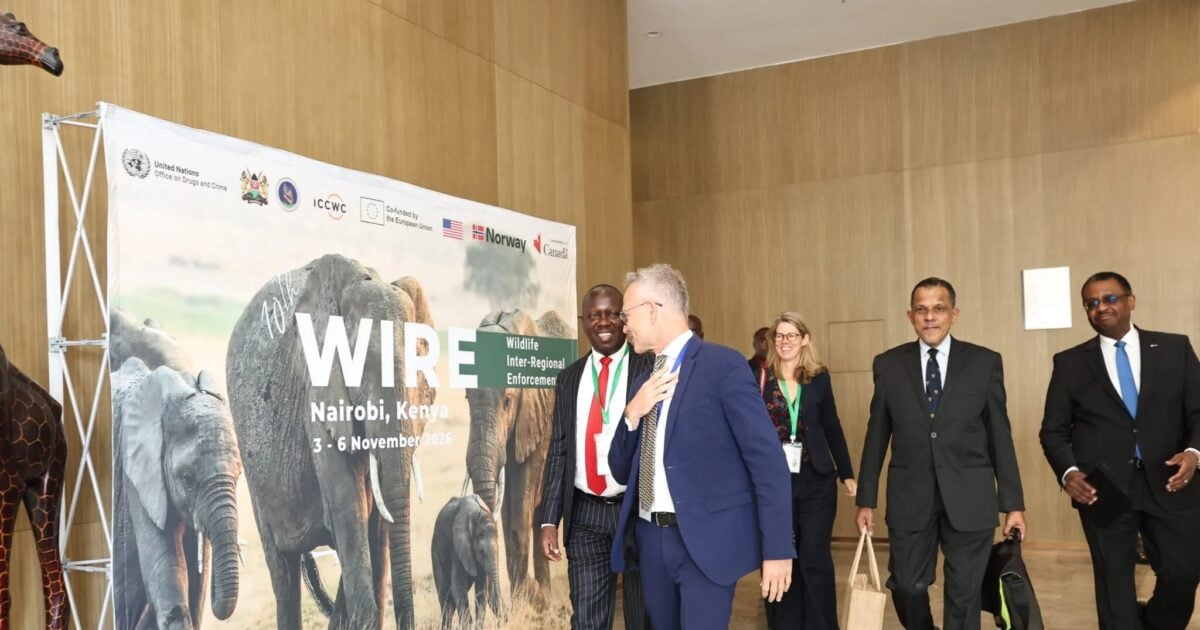
- He made these statements while opening the 10th Wildlife Inter-regional Enforcement Conference in Nairobi, co-hosted by the UNODC and ODPP.
- The conference brought together global investigators, prosecutors, customs, and wildlife authorities to enhance enforcement against wildlife trafficking.
- The ODPP reaffirmed its commitment to prosecuting wildlife and environmental crimes, emphasizing the critical role of international collaboration due to interconnected criminal networks.
Kenya's Stance on Transnational Wildlife Crime
The fight against wildlife crime must extend beyond merely tracking seizures of illegal animal products, instead focusing on dismantling the sophisticated criminal enterprises responsible for widespread destruction.
Kenya has issued a strong call for enhanced international collaboration to dismantle the illicit networks driving wildlife trafficking, asserting that this illegal trade has evolved into a complex form of transnational organized crime. Director of Public Prosecutions (DPP) Renson Ingonga highlighted that these criminal activities are increasingly orchestrated by interconnected networks, necessitating a global response that includes more robust cross-border investigations, improved information sharing, and intensified prosecution efforts across jurisdictions.
Speaking in Nairobi, Ingonga underscored that the battle against wildlife crime must move beyond simply documenting seizures of illegal animal products. Instead, the focus should shift to targeting the sophisticated criminal enterprises that are directly responsible for the widespread destruction of wildlife populations, the disruption of local communities, and the degradation of vital ecosystems. He emphasized that the true impact of wildlife crime cannot be quantified solely by the volume of contraband intercepted, but rather by its devastating consequences on natural heritage and human livelihoods.
Global Enforcement Collaboration
The DPP's remarks were delivered during his official opening of the 10th Wildlife Inter-regional Enforcement Conference, a three-day event held in Nairobi at the Argyle Hotel. This significant gathering was convened by the United Nations Office on Drugs and Crime (UNODC) in partnership with the Office of the Director of Public Prosecutions (ODPP), bringing together a diverse group of experts including investigators, prosecutors, customs officials, and wildlife authorities from various countries worldwide. The primary objective of the conference was to fortify international cooperation and elevate enforcement capabilities against wildlife trafficking.
Among the distinguished attendees was Sri Lanka's Attorney General, Parinda Ranasinghe, signifying the broad international interest in addressing this critical issue. Ingonga reiterated the ODPP's unwavering commitment to prosecuting wildlife crime and other offenses detrimental to the environment, stressing the imperative for coordinated action among nations and their respective law enforcement agencies. The conference serves as a crucial platform for enforcement bodies across different regions to enhance their collaborative strategies and strengthen their capacity to investigate and prosecute wildlife-related offenses effectively.
Addressing the Root Causes and Interconnections
The timing of this meeting coincides with a growing global understanding that wildlife trafficking extends far beyond traditional conservation concerns. Criminal networks involved in wildlife trafficking are increasingly exploiting international routes and establishing links with other illicit activities, making the problem a multifaceted challenge for global security and rule of law. The interconnected nature of these criminal networks makes international collaboration absolutely critical for disrupting the illicit trade and holding those responsible accountable.
Protecting the world's natural heritage, Ingonga concluded, demands a collective and comprehensive response. This response must not only address the immediate environmental damage caused by these crimes but also dismantle the underlying criminal enterprises that profit from them. The focus on ODPP Kenya transnational wildlife crime highlights a strategic shift towards tackling the organized crime elements that fuel this destructive trade, reinforcing the need for robust Kenya wildlife crime prosecution efforts and international cooperation wildlife trafficking initiatives.
Practical Implications
Lawyers and compliance officers advising clients involved in international trade, logistics, or natural resource sectors in Kenya should anticipate heightened scrutiny and enforcement actions regarding wildlife trafficking. The ODPP's focus on transnational organized crime necessitates robust due diligence and compliance programs to mitigate risks associated with facilitating such illicit activities, even indirectly.
Source
How does this affect you?
Get an AI analysis of this article grounded in your jurisdictions, practice areas, and any policy documents you've uploaded to Wansom.
Wansom is AI and can make mistakes.