
Kenya Courts: 102% Corruption Case Clearance Rate Achieved in 2025/26
Summary
- Kenyan courts cleared 102% of corruption-related cases in the 2025/26 financial year, resolving 2,909 cases against 2,852 received.
- The Ethics and Anti-Corruption Commission recovered assets worth Sh3.63 billion and preserved Sh7.3 billion, initiating 46 civil suits valued at Sh14.1 billion.
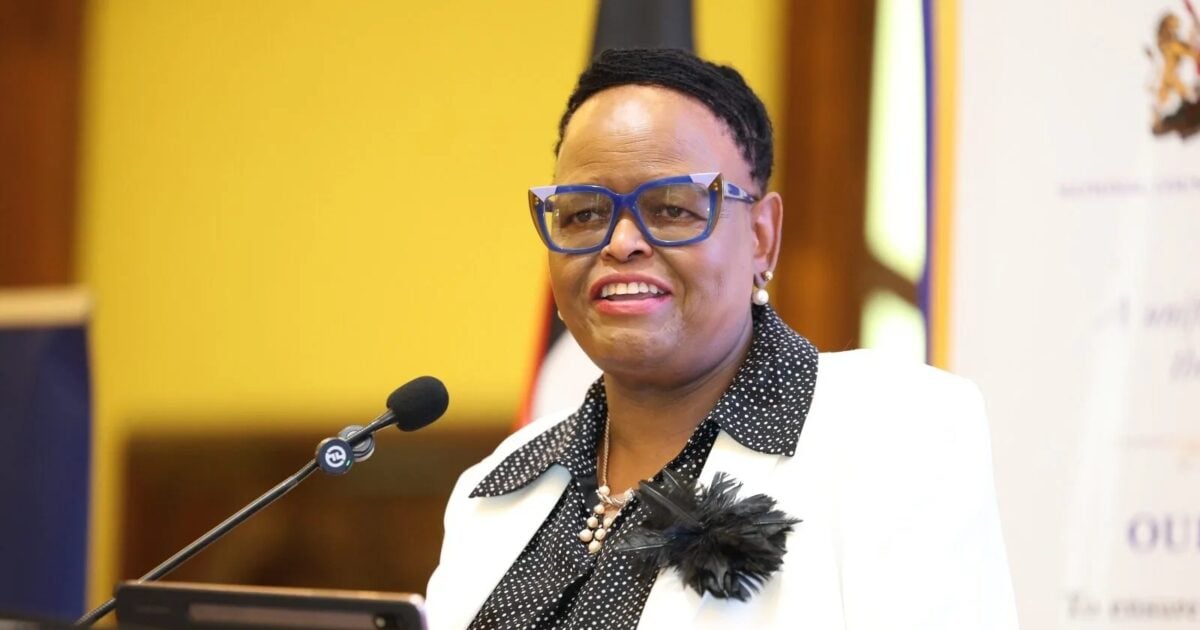
- Chief Justice Martha Koome launched the NCAJ Strategic Plan 2026–2030, emphasizing inter-agency coordination and collective action for justice delivery.
- The new Conflict of Interest Act, 2025, was enacted to strengthen accountability and bolster anti-corruption efforts.
- The Administration of Justice in Kenya Annual Report 2025/26 highlighted these achievements, demonstrating progress in reducing pending caseloads.
Judicial Efficiency in Corruption Cases
We must transform coordination into collective action and reform commitments into services the public can trust.
Kenyan courts have demonstrated remarkable progress in tackling corruption, achieving a 102 percent clearance rate for related cases during the 2025/26 financial year. This significant milestone means that the judiciary resolved more cases than it received, actively reducing the backlog of pending matters. The Kenya courts corruption case clearance figures, detailed in the recently released Administration of Justice in Kenya Annual Report 2025/26, indicate that 2,909 corruption cases were concluded, surpassing the 2,852 new cases filed within the reporting period.
This enhanced judicial performance underscores the impact of ongoing Chief Justice Martha Koome reforms aimed at strengthening accountability and improving access to justice across the nation. The ability to clear more cases than were initiated reflects a concerted effort to streamline judicial processes and ensure timely resolution of complex corruption matters. Such efficiency is crucial for bolstering public confidence in the justice system and signaling a robust stance against graft.
Broader Anti-Corruption Frameworks
Beyond the courtroom, Kenya anti-corruption efforts are being reinforced through aggressive asset recovery initiatives and legislative updates. The Ethics and Anti-Corruption Commission (EACC) reported substantial successes in its fight against illicit enrichment, recovering assets valued at Sh3.63 billion during the same reporting period. Additionally, the EACC successfully preserved assets worth Sh7.3 billion, preventing their dissipation while legal proceedings are underway.
The commission's proactive approach extends to litigation, with 46 civil suits initiated to reclaim public resources, collectively valued at approximately Sh14.1 billion. These efforts are complemented by legislative advancements, notably the enactment of the Conflict of Interest Act, 2025 Kenya. This new law forms a critical component of the broader strategy to enhance accountability and systematically address corruption at its roots, providing a stronger legal framework for ethical conduct.
Strategic Vision for Justice Reform
The drive for a more effective justice system is guided by comprehensive strategic planning, as evidenced by the launch of the NCAJ Strategic Plan 2026-2030. Chief Justice Martha Koome, speaking at the plan's unveiling in Nairobi, emphasized the critical importance of coordinated action among all justice-sector institutions. She highlighted that fragmented operations risk undermining the collective goal of delivering timely and effective justice to all citizens. "We must transform coordination into collective action and reform commitments into services the public can trust," she stated.
The new five-year plan outlines seven key strategic priorities, including fostering stronger institutional partnerships, implementing reforms in both criminal and civil justice delivery, and expanding access to justice for vulnerable and underserved communities. It also focuses on improving monitoring mechanisms and enhancing institutional capacity. This forward-looking framework builds upon the achievements of the preceding 2021–2026 plan, which concluded with an impressive 83.23 percent implementation performance score, demonstrating progress in areas like alternative dispute resolution and anti-corruption strategies.
Inter-Agency Collaboration and Future Outlook
Chief Justice Koome reiterated that the administration of justice is a shared responsibility, requiring seamless collaboration among courts, prosecutors, investigators, and law enforcement agencies. She urged institutions across the justice chain to enhance their cooperation, share vital information, and align resources to achieve common priorities. This collective approach is seen as essential for overcoming delays and restoring public trust in the system.
Winfridah Mokaya, Chief Registrar of the Judiciary and NCAJ Secretary, echoed these sentiments, advocating for institutions to abandon isolated operations in favor of shared accountability. She stressed the need for adequate resource mobilization and robust institutional cooperation, asserting that the true measure of the council's success lies in the tangible improvements it brings to the lives of those seeking justice. This commitment to multi-agency action is further exemplified by initiatives like the November Child Justice Service Month, designed to strengthen coordinated responses for children interacting with the justice system.
Practical Implications
Lawyers should advise clients on the heightened risk of swift prosecution in corruption cases due to increased judicial efficiency and inter-agency coordination. Compliance officers must review and update their anti-corruption policies, particularly regarding conflicts of interest, in light of the new Conflict of Interest Act, 2025, and the EACC's aggressive asset recovery efforts.
Source
How does this affect you?
Get an AI analysis of this article grounded in your jurisdictions, practice areas, and any policy documents you've uploaded to Wansom.
Wansom is AI and can make mistakes.