
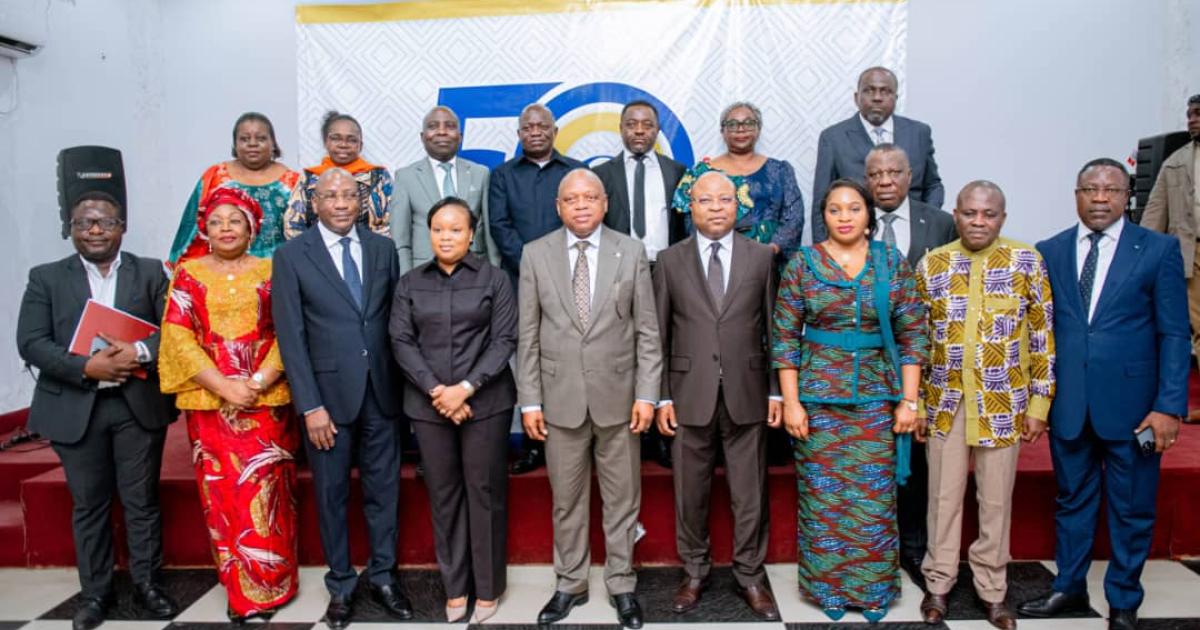
Pierre Lohohola Osomba: OCC Budget 2027 Consolidation Begins in DRC
Summary
- Professor Pierre Lohohola Osomba, Director General of the Office Congolais de Contrôle (OCC), officially launched the consolidation of budget forecasts.
- This event occurred on Thursday, October 29, 2026.
- The consolidation process is specifically for the OCC's budget for the 2027 fiscal year.
- The initiative aims to integrate various departmental financial projections into a cohesive institutional budget.
- This financial planning will guide the OCC's operational and strategic expenditures for the upcoming year.
Official Launch of 2027 Budget Consolidation
The financial priorities outlined in the OCC's 2027 budget will inevitably influence areas such as public procurement processes, regulatory compliance requirements, and the nature of contractual engagements with this key state entity.
On Thursday, October 29, 2026, Professor Pierre Lohohola Osomba, who serves as the Director General for the Office Congolais de Contrôle (OCC), formally initiated the process for consolidating the institution's budget forecasts. This significant administrative undertaking marks the commencement of detailed financial planning for the upcoming 2027 fiscal year. The launch event underscores a critical phase in the OCC's annual financial cycle, setting the stage for its operational and strategic expenditures.
The consolidation of the OCC budget 2027 is a foundational step in ensuring the state entity's financial preparedness and accountability. Under the leadership of Pierre Lohohola Osomba, this effort aims to meticulously review and integrate various departmental financial projections into a cohesive institutional budget. This initial phase is crucial for establishing the financial framework that will guide the Office Congolais de Contrôle's activities throughout the designated period.
The Mandate of the Office Congolais de Contrôle
The Office Congolais de Contrôle (OCC) plays a vital role within the Democratic Republic of Congo's administrative framework, primarily focused on oversight and control functions. As a state-owned enterprise, its operational capacity and effectiveness are directly tied to its financial resources, which are meticulously planned through processes such as the one recently launched by Professor Pierre Lohohola Osomba. The prévisions budgétaires 2027 for the OCC are therefore not merely internal financial documents but reflect the institution's projected ability to execute its public mandate.
The consolidation of these forecasts is an essential exercise for an entity like the OCC, which is tasked with ensuring standards and compliance across various sectors. The financial planning for the 2027 fiscal year, spearheaded by Pierre Lohohola Osomba, will determine the scope and scale of the OCC's activities, from personnel costs to investment in infrastructure and technology. This internal financial blueprint is a precursor to how the OCC will interact with other state bodies and private entities in the RDC.
Importance of Financial Forecasting
The official launch of the Pierre Lohohola Osomba consolidation budget for the OCC's 2027 fiscal year highlights the critical importance of robust financial forecasting for public institutions. This process involves a comprehensive review of anticipated revenues and expenditures, ensuring that the Office Congolais de Contrôle can effectively meet its statutory obligations and strategic objectives. Accurate and well-consolidated prévisions budgétaires 2027 are indispensable for sound governance and efficient resource allocation within the state apparatus.
This phase of budget development, initiated on October 29, 2026, is more than just an accounting exercise; it is a strategic planning endeavor. It allows the OCC to align its financial resources with its operational priorities, ensuring that funds are allocated judiciously to support its core functions. The outcome of this consolidation will directly influence the OCC's capacity to perform its duties throughout the 2027 fiscal year, impacting its ability to contribute to the broader RDC budget 2027 framework.
Broader Implications for Public and Private Sectors
The consolidation of the Office Congolais de Contrôle budget for 2027, overseen by Director General Pierre Lohohola Osomba, carries significant implications extending beyond the internal operations of the OCC. The finalized budget will serve as a critical indicator of the institution's financial health and its planned activities, which can indirectly affect various stakeholders in the Democratic Republic of Congo. Lawyers and compliance officers, in particular, should closely monitor the eventual publication of these consolidated forecasts.
The financial priorities outlined in the OCC's 2027 budget will inevitably influence areas such as public procurement processes, regulatory compliance requirements, and the nature of contractual engagements with this key state entity. As the consolidated forecasts will guide the OCC's operational and financial priorities, understanding its budgetary allocations can provide insights into potential shifts in regulatory enforcement or areas of increased focus. This makes the Pierre Lohohola Osomba consolidation budget a relevant document for those navigating the regulatory landscape of the RDC.
Practical Implications
Lawyers and compliance officers should monitor the finalized 2027 budget of the Office Congolais de Contrôle (OCC) for potential impacts on public procurement, regulatory compliance, and contractual engagements with this state entity, as the consolidated forecasts will guide its operational and financial priorities.
Source
How does this affect you?
Get an AI analysis of this article grounded in your jurisdictions, practice areas, and any policy documents you've uploaded to Wansom.
Finish Reading the Full Story and the Expert Analysis.
Wansom is AI and can make mistakes.