
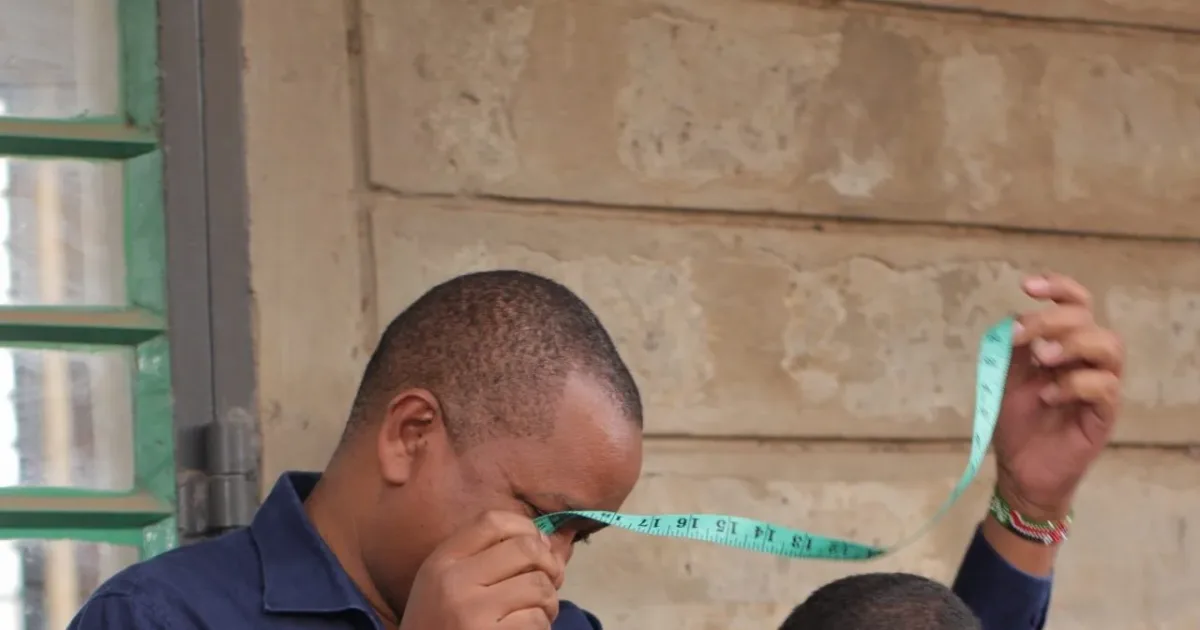
Irungu Nyakera: Proposes Free School Uniforms Legislation in Kenya
Summary
- Irungu Nyakera, who is seeking to become Makadara MP in 2027, is advocating for legislation to provide free school uniforms to public school students in Kenya.
- The proposed program aims to utilize the National Government Constituencies Development Fund for financing this initiative.
- Nyakera argues that the cost of uniforms creates a significant financial burden for parents and acts as a barrier to education.
- A pilot program, part of the Irungu Nyakera Foundation's Tano Fresh Education Agenda, is currently running in Makadara Constituency, supporting vulnerable students and local tailors.
- The initiative is intended to complement existing Kenya education reforms legislation by alleviating everyday expenses for families.
The Legislative Push
This legislative development signals a potential, notable shift in Kenya's education policy, moving towards a more comprehensive approach to student welfare that directly addresses socio-economic barriers.
Former Principal Secretary Irungu Nyakera, who is seeking to become Makadara MP in 2027, is actively advocating for new legislation aimed at ensuring the provision of complimentary school uniforms to students enrolled in public educational institutions throughout Kenya. This initiative seeks to leverage the National Government Constituencies Development Fund (NGCDF) as the primary mechanism for financing this nationwide program. Nyakera's central objective is to establish a robust and enduring framework that would significantly reduce the financial burden currently borne by parents, guaranteeing that school attire is made available to families without any direct cost.
The proposed "Nyakera free school uniforms legislation Kenya" directly addresses a critical economic challenge faced by many households. By integrating uniform provision into the public education system, the "Irungu Nyakera NGCDF uniforms bill" intends to remove a substantial barrier to access and retention for learners, particularly those from economically vulnerable backgrounds. This legislative push represents a concerted effort to recalibrate educational support structures within the country.
Rationale and Broader Context
Nyakera articulates that the expense associated with purchasing school uniforms constitutes a considerable financial strain for households, a burden that intensifies when students advance between different educational stages. He firmly asserts that the requirement for a school uniform should never impede a child's access to education. To underscore the feasibility and precedent for such a public provision, Nyakera draws a parallel with the government's existing practice of supplying uniforms and essential equipment to members of the National Police Service and other disciplined forces.
This proposed "Kenya school uniform provision law" is envisioned as a complementary measure to ongoing education reforms, specifically targeting the everyday costs that continue to place significant pressure on parents. The initiative aims to alleviate these persistent financial demands, thereby enhancing the overall effectiveness and inclusivity of the national education system. The underlying philosophy is that by addressing these practical expenses, the broader goals of educational advancement can be more readily achieved.
The Pilot Initiative
In anticipation of a national legislative framework, the Irungu Nyakera Foundation has already launched a "Makadara free school uniform pilot" program. This localized effort, part of the Foundation's broader Tano Fresh Education Agenda, is specifically designed to support vulnerable students in public schools within Makadara Constituency who are transitioning from Grade 6 to Grade 7. The pilot serves as a practical demonstration of how a larger-scale program could be effectively implemented.
Beyond its direct educational benefits, the Makadara initiative incorporates an economic development component. It actively involves local tailors in the design and production of the uniforms, thereby generating valuable economic opportunities for small businesses within the community. Nyakera views this pilot as crucial for showcasing the operational viability and multifaceted advantages of his proposed national program, which seeks to make free school uniforms accessible to all learners across Kenya.
Legal and Policy Implications
Should this "Kenya school uniform provision law" advance through Parliament, it would introduce significant new mandates for public schools concerning the provision of student attire. Lawyers and policy analysts should closely monitor the progression of this proposed legislation, as its enactment could necessitate substantial adjustments to existing public finance regulations and procurement processes. The integration of uniform provision through the "National Government Constituencies Development Fund education" framework implies a re-evaluation of how these funds are allocated and managed at the constituency level.
This legislative development signals a potential, notable shift in Kenya's education policy, moving towards a more comprehensive approach to student welfare that directly addresses socio-economic barriers. Furthermore, it could lead to a reallocation of resources within the education sector, potentially impacting budgets and operational procedures for schools and local government entities. The initiative underscores a broader trend towards leveraging public funds to directly support educational access and equity.
Practical Implications
Lawyers should monitor the progress of this proposed legislation as it could introduce new mandates for public schools regarding uniform provision and potentially impact public finance and procurement regulations if passed. This development signals a potential shift in education policy and resource allocation within Kenya.
Source
How does this affect you?
Get an AI analysis of this article grounded in your jurisdictions, practice areas, and any policy documents you've uploaded to Wansom.
Finish Reading the Full Story and the Expert Analysis.
Get the latest legal & regulatory intelligence in Kenya
Wansom is AI and can make mistakes.