
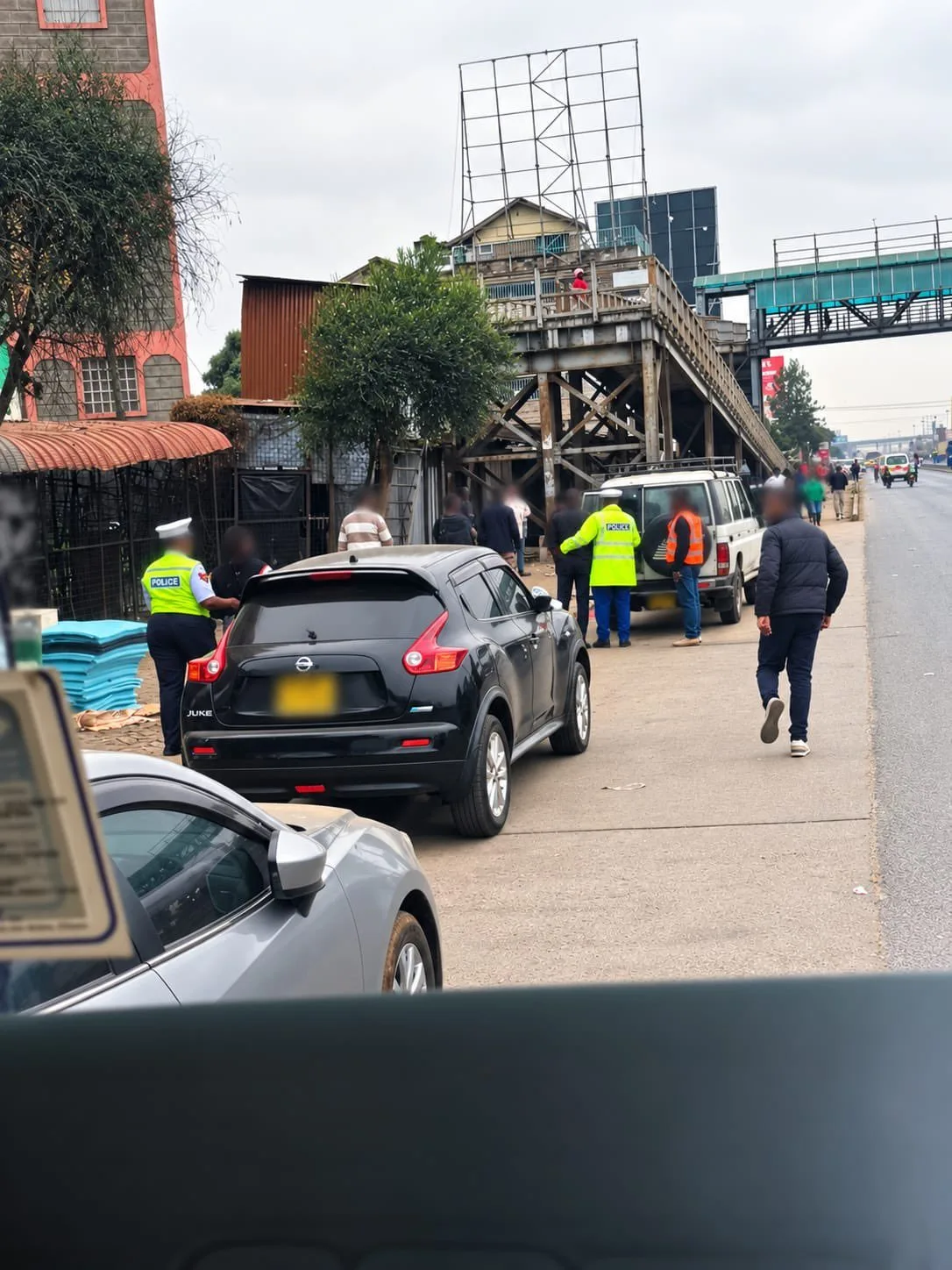
NTSA Meru: 8 Drivers Face Drink-Driving Arrests, 12 Total Detained
Summary
- The NTSA arrested 12 drivers in Meru County during a night-time operation, with eight testing positive for drink-driving and one refusing a breathalyser test.
- Alcohol levels recorded were significantly above Kenya's legal limit of 0.35mg/l, with some readings as high as 1.483mg/l.
- These arrests are part of the NTSA's intensified 'Msimu Bila Ajali, Usalama Barabarani' campaign ahead of the festive season, focusing on night operations due to higher road risks.
- Compliance checks cover speeding, functional speed limiters linked to IRSMS, PSV documentation, valid licenses, vehicle capacity, and passenger seatbelt use.
- Motorists are advised to ensure vehicle compliance and cooperate with enforcement, while passengers must wear seatbelts to mitigate risks.
Intensified Enforcement Targets Drink-Driving in Meru
Lawyers should advise clients, particularly those who drive, about the strict adherence required to the 0.35mg/l alcohol limit to mitigate legal risks during this period of heightened surveillance.
The National Transport and Safety Authority (NTSA) recently conducted a night-time road safety operation in Meru County, leading to the arrest of 12 drivers and the impounding of their vehicles. This targeted NTSA Meru drink-driving arrests initiative, carried out in collaboration with various law enforcement agencies, identified eight of the detained individuals as driving under the influence of alcohol. Additionally, one driver declined to provide a breath specimen for alcohol testing, a refusal that carries its own legal implications.
Breathalyser tests administered during the operation revealed alarmingly high alcohol levels among the arrested drivers. Readings included 1.483mg/l, 1.295mg/l, 1.189mg/l, 1.149mg/l, and 0.780mg/l. These figures significantly exceed the legal alcohol limit in Kenya, which is set at 0.35mg/l. Such elevated levels of intoxication are known to severely impair judgment, substantially increasing the risk of fatal road crashes for motorists, passengers, and other road users.
These arrests underscore the NTSA Kenya enforcement efforts, which are being intensified as the festive season approaches. The authority has issued a stern warning regarding the dangers of driving while intoxicated, highlighting that such behavior jeopardizes lives. Lawyers should advise clients, particularly those who drive, about the strict adherence required to the 0.35mg/l alcohol limit to mitigate legal risks during this period of heightened surveillance.
NTSA's Festive Season Road Safety Campaign
The recent Meru road safety operation forms part of a broader NTSA initiative known as the Msimu Bila Ajali, Usalama Barabarani campaign. Launched in partnership with law enforcement agencies, this campaign aims to enhance road safety through a two-pronged approach: public sensitisation for both drivers and passengers, alongside rigorous day and night compliance checks across major transport corridors.
Night-time operations have been specifically prioritized by the NTSA, as evening and late-night hours are statistically identified as the most perilous periods on Kenyan roads. This strategic focus allows for increased surveillance, which is crucial for identifying and disrupting risky driving behaviors that are frequently associated with road crashes. The campaign's objective is to proactively address these high-risk periods to prevent accidents.
This intensified enforcement reflects the NTSA's commitment to ensuring safer roads during a time when traffic volume and associated risks typically increase. The comprehensive nature of the campaign, combining public awareness with stringent checks, is designed to foster a culture of compliance and responsibility among all road users, thereby reducing the incidence of accidents and fatalities.
Broad Spectrum of Compliance and Driver Responsibilities
Beyond drink-driving, the NTSA's compliance checks encompass a wide array of regulations designed to enhance road safety. These include monitoring for speeding violations and verifying the functionality of vehicle speed limiters, ensuring their continuous transmission of data to the Intelligent Road Safety Management System (IRSMS). Motorists are urged to ensure their vehicles are equipped with functional speed limiters and that these devices are properly linked to the IRSMS via the NTSA's upgraded portal.
For long-distance public transport operators, the scrutiny extends to detailed documentation, including passenger manifests, driver logs, route licences, Road Service Licences, and valid vehicle inspection stickers. Other critical areas under review include vehicle carrying capacity, the validity of driving licences, and Public Service Vehicle (PSV) badges. Compliance officers must ensure adherence to these regulations to avoid penalties and uphold PSV compliance NTSA standards.
Passengers are also reminded of their role in road safety, specifically the requirement to wear seatbelts throughout their journeys. The NTSA warns that failure to comply significantly increases the risk of severe injuries or fatalities in the event of a crash. This collective responsibility highlights the importance of individual actions in contributing to overall road safety.
Furthermore, the NTSA has cautioned motorists against responding to suspicious messages purporting to communicate speed violations, clarifying that official notifications are exclusively issued through the SMS ID NTSA. Motorists approaching designated checkpoints are appealed to slow down and cooperate with enforcement officers, as these operations are guided by safety protocols intended to protect both road users and personnel while maintaining traffic flow. Drivers traveling at night are advised to reduce speeds, maintain safe following distances, and remain alert due to reduced visibility.
Practical Implications
Lawyers should advise clients, particularly those in the transport sector or individuals who drive, about the intensified NTSA enforcement operations in Kenya, especially concerning drink-driving and compliance with vehicle documentation and speed limiter regulations, to mitigate legal risks during the festive season. Compliance officers must ensure adherence to the 0.35mg/l alcohol limit and proper vehicle/driver documentation to avoid penalties.
Source
How does this affect you?
Get an AI analysis of this article grounded in your jurisdictions, practice areas, and any policy documents you've uploaded to Wansom.
Finish Reading the Full Story and the Expert Analysis.
Wansom is AI and can make mistakes.