
NTSA blamed for poor signage, costly penalties
Summary
- Motorists in Kenya are increasingly complaining about NTSA automated speed camera fines, citing insufficient warning, lack of transparency, and difficulty challenging penalties.
- Specific grievances include multiple fines in one journey, penalties despite adhering to limits, poor signage placement, and questions about camera accuracy.
- The automated system is part of NTSA's Minor Traffic Offences Framework, intended to reduce corruption and court backlogs, but it previously faced a legal challenge over due process and constitutional rights.
- Road safety experts support technology-driven enforcement to curb speeding, a leading cause of fatal crashes, and to ensure uniform application of laws.
- Transport stakeholders are urging NTSA to improve public awareness, ensure visible and calibrated speed limit signs, and establish an efficient appeals mechanism for fines.
Mounting Concerns Over Automated Speed Fines in Kenya
The dispute specifically centered on whether automated enforcement infringed upon constitutional rights to fair administrative action and a fair hearing before penalties are imposed, highlighting critical questions about automated traffic enforcement due process.
Motorists across Kenya are increasingly voicing strong objections to fines levied by the National Transport and Safety Authority's (NTSA) automated speed camera system. A primary source of these Kenya NTSA traffic camera complaints centers on allegations of insufficient warning, a lack of transparency regarding alleged infractions, and an absence of clear avenues to challenge penalties. This public outcry follows the government's nationwide deployment of smart traffic cameras, an initiative designed to curb speeding and enhance road safety by automatically detecting speeding vehicles, identifying their registration numbers, and issuing instant penalties via SMS to registered owners.
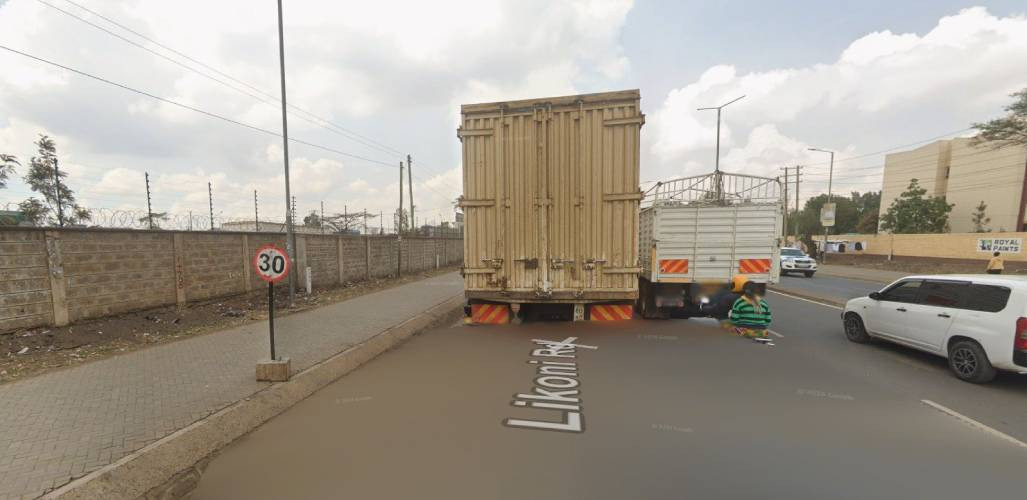
While authorities have lauded this technology as a transformative step for road safety, many drivers describe the system as a significant source of frustration and financial strain. Specific grievances include receiving multiple NTSA automated speed camera fines Kenya within a single journey, or being penalized despite adhering to posted speed limits. Drivers also highlight issues with signage, noting that on dual carriageways, speed limit signs are often placed only on one side, making them difficult for many road users to see. Furthermore, the accuracy of the cameras has been questioned, with some motorists reporting fines for journeys completed long before the notification arrived. The debate has intensified on social media, with recent complaints focusing on the 30km/h speed limit signage along Nairobi's Likoni Road, which many find inadequate.
Critics argue that the NTSA's role as complainant, regulator, enforcer, prosecutor, jury, judge, and collector creates a conflict of interest, suggesting the agency might be prioritizing internal collection targets over fair enforcement. Concerns have also been raised about the strategic placement of some speed cameras in areas where speed limit signs are either unclear, obscured, or entirely absent, such as near the Industrial Park Eastern Bypass. Motorists contend that such practices leave them vulnerable to inadvertent violations, underscoring the need for clear signage, accurate records, and a fair opportunity to dispute fines they believe were issued in error.
Legal Framework and Due Process Challenges
The automated traffic enforcement system is an integral component of the NTSA's broader Kenya road safety reforms, operating under the Minor Traffic Offences Framework. This framework is designed to allow specific traffic offences to be handled administratively rather than through the traditional court system. The NTSA's stated objectives for this initiative include eliminating corruption associated with roadside enforcement, improving compliance with traffic laws, and reducing the existing backlog of traffic cases in the courts.
Under this Minor Traffic Offences Framework Kenya, speeding offences attract graduated penalties, with the severity of the fine increasing based on how far a driver exceeds the prescribed limit. Minor violations may result in warnings or lower fines, while more serious infractions incur significantly higher penalties. However, the automated fines program is currently facing multiple ongoing legal challenges, with courts having issued conservatory orders suspending the implementation of certain aspects of the automated fines system and a related Public-Private Partnership for its expansion. This dispute specifically centered on whether automated enforcement infringed upon constitutional rights to fair administrative action and a fair hearing before penalties are imposed, highlighting critical questions about automated traffic enforcement due process.
Balancing Enforcement with Motorist Rights
Despite the ongoing complaints, road safety experts consistently emphasize that excessive speed remains one of the primary contributors to fatal crashes in Kenya. They advocate for consistent, technology-driven enforcement, arguing that it is more effective than sporadic roadside operations. Experts also contend that, unlike manual enforcement, automated cameras minimize opportunities for bribery and ensure that traffic laws are applied uniformly to all motorists, contributing to overall Kenya road safety reforms.
Nevertheless, transport stakeholders are urging the NTSA to address the systemic issues raised by drivers. Their recommendations include improving public awareness campaigns regarding speed limits and enforcement, ensuring that speed limit signs are clearly visible and regularly calibrated, and establishing an efficient and transparent appeals mechanism for motorists to challenge fines. These calls underscore the importance of balancing effective enforcement with the fundamental rights of motorists to clear information and fair administrative action, particularly in light of NTSA poor signage penalties and the broader implications for due process.
Practical Implications
Lawyers should advise clients on their rights to challenge NTSA automated speeding fines, particularly concerning inadequate signage, lack of transparent evidence, or infringements on fair administrative action and due process. This development highlights potential grounds for disputing penalties under the Minor Traffic Offences Framework.
Source
How does this affect your business?
Get an AI analysis of this article grounded in your jurisdictions, practice areas, and any policy documents you've uploaded to Wansom.
Wansom is AI and can make mistakes.