
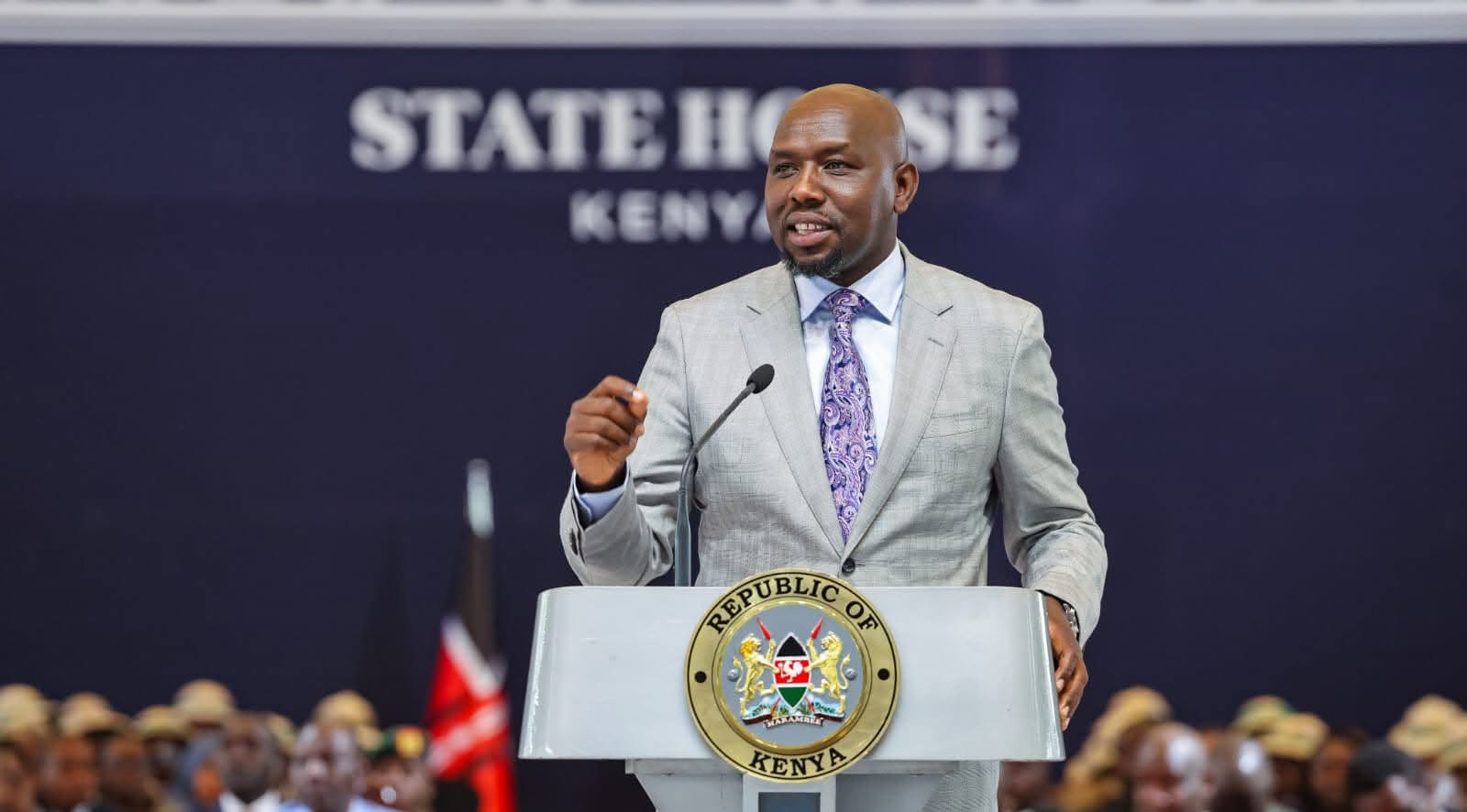
Murkomen: Village elders now integral to national administration
Summary
- Cabinet Secretary Kipchumba Murkomen announced the formal integration of village elders into Kenya's national administrative structure.
- This historic move, fulfilling President William Ruto's bottom-up agenda, followed extensive public consultations through the Jukwaa la Usalama forums.
- A new policy framework defines the eligibility, responsibilities, and operational guidelines for village elders, covering roles in security, dispute resolution, and community development.
- The government has registered approximately 106,000 villages, each to be represented by an elder, and plans digital literacy and leadership training.
- Elders are now considered indispensable grassroots leaders, forming a direct administrative link between the national government and local communities.
Formalizing Grassroots Governance
This formal recognition establishes a crucial administrative link, integrating village elders into local governance and connecting the national government directly to every village across the country.
Interior and National Administration Cabinet Secretary Kipchumba Murkomen recently heralded a significant shift in Kenya's administrative landscape, announcing the formal integration of village elders into the country's national governance structure. Speaking from State House, Nairobi, where President William Ruto hosted elders from across the nation, Murkomen characterized this development as a historic achievement, directly aligning with the President's "bottom-up" governance philosophy. This pivotal decision emerged from extensive nationwide public consultations, conducted through the National Security Forums, also known as Jukwaa la Usalama.
During these forums, the consistent and strong demand for formal recognition and support for village elders was a recurring theme. Murkomen noted that even before visiting ten counties, a consensus had formed among Kenyans, chiefs, citizens, and the elders themselves, advocating for their official acknowledgment and provision of resources to facilitate their duties. President Ruto responded swiftly, directing the Ministry to develop a comprehensive policy framework to formalize the position of village elders, even prior to the completion of the nationwide consultations. The government has since finalized the registration and verification process for villages across the country, identifying approximately 106,000 villages that are served through 9,700 sub-locations, with each sub-location intended to be represented by a village elder.
Defining Roles and Responsibilities
The newly established policy framework represents a crucial step in formalizing the position of Kenya village elders within the national administrative structure. Cabinet Secretary Murkomen elaborated that this framework meticulously outlines the eligibility requirements, specific responsibilities, and operational guidelines for these grassroots leaders. He affirmed that this "Kenya village elders policy framework" provides a clear legal basis, defining their roles and how they will execute their duties, with the overarching goal of enabling them to serve communities more effectively at the grassroots level.
Under this policy, the Kenya village elders roles duties are diverse and critical, encompassing support for the government in various capacities. These include maintaining national security, facilitating the resolution of land disputes, actively promoting climate action through tree planting initiatives, enhancing public health awareness campaigns, supporting agricultural programs, and assisting with essential community data collection efforts. To further equip them for these expanded responsibilities, the Ministry is set to commence nationwide digital literacy and leadership training for the village elders.
Integrating Elders into National Administration
Murkomen underscored the indispensable role of village elders, describing them as critical partners in governance and security due to their profound knowledge and local intelligence within their communities. He recounted a personal experience during a national census, highlighting the elders' remarkable insight into local affairs. This formal recognition establishes a crucial administrative link, integrating village elders into local governance and connecting the national government directly to every village across the country.
This "Kenya village elders national administration integration" creates structured support for elders and solidifies their place within the broader administrative framework, representing a significant step in "Kenya grassroots administration reforms." The Cabinet Secretary also appealed to the elders to leverage their considerable influence to foster national unity, actively reject ethnic division, and collaborate closely with security agencies. His plea included preventing young people from being recruited into criminal gangs and shielding them from politically instigated violence, urging elders to become cornerstones of the Republic's unity. Ultimately, these reforms are presented as a testament to the government's commitment to President Ruto's bottom-up agenda, empowering the lowest administrative unit and bringing public services closer to citizens.
Practical Implications
Lawyers and compliance officers should be aware of the formalized roles and responsibilities of Kenyan village elders within the national administrative structure, as this creates new official points of contact and influence for local governance, dispute resolution, and community engagement, potentially affecting legal strategies and client advice at the grassroots level.
Source
How does this affect your business?
Get an AI analysis of this article grounded in your jurisdictions, practice areas, and any policy documents you've uploaded to Wansom.
Wansom is AI and can make mistakes.