
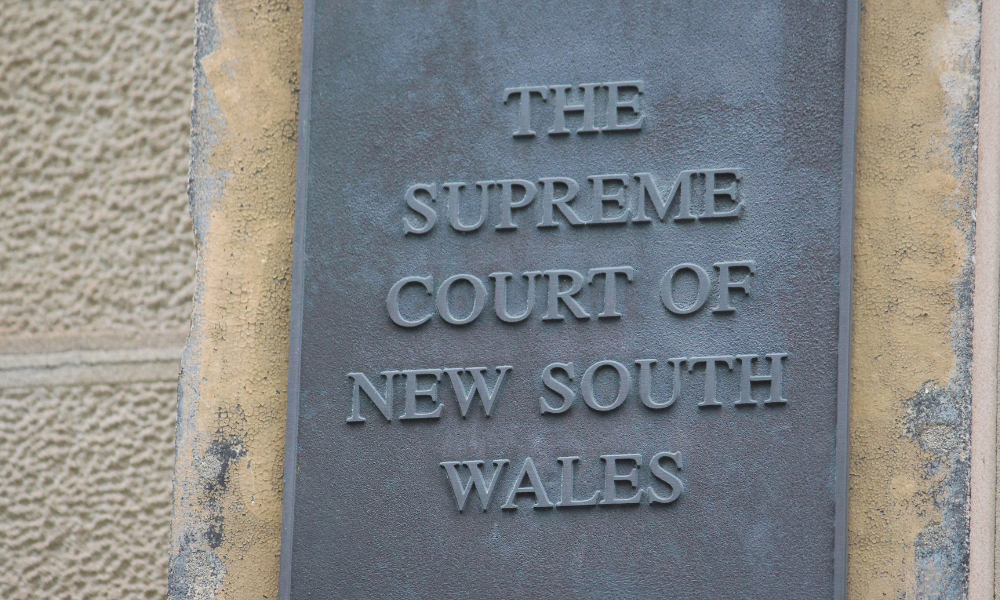
NSW Supreme Court Rejects Lenders' Challenge to Zen Energy Super Senior Debt
The New South Wales Supreme Court, on 16 November 2026, dismissed a challenge by two noteholders, Old Treasury (Holdings) Pty Ltd, against Zen Energy Pty Ltd (In Liquidation), ruling that Zen Energy required only a two-thirds majority of noteholders, rather than unanimous consent, to grant new first-ranking security ahead of existing noteholders. This significant decision, detailed in *Old Treasury (Holdings) Pty Ltd v Zen Energy Pty Ltd (In Liquidation) [2026] NSWSC 1455*, clarified the interpretation of consent requirements in complex debt facilities, particularly concerning negative pledge clauses and the establishment of super senior debt. Old Treasury, which had lent $4.5 million under Zen Energy’s $160 million loan note facility, contended that the grant of a new super senior facility of up to $66.1 million in October 2025, which was approved by 93.9 percent of noteholders, breached a negative pledge in the 2023 loan note deed and could not take priority without unanimous consent from all affected lenders. The dissenting noteholders specifically relied on a clause requiring individual consent for any amendment or waiver changing “the priority or order of payment” against them. Zen Energy subsequently entered voluntary administration in July 2026 and liquidation in August 2026, underscoring the financial distress surrounding the dispute. The court's finding that the exercise of an existing power does not constitute an amendment, even if it affects the parties' positions, was central to its reasoning. It further distinguished between priority of security and priority of payment, asserting that the latter had not been altered by the new arrangements. The court concluded that the priority deed, rather than an amendment to the original loan note deed, was the mechanism that granted the new facility its first-ranking status, a mechanism permitted if disclosed to lenders holding at least two-thirds of the debt. This ruling provides crucial guidance on the contractual interpretation of debt instruments in the context of corporate restructuring and insolvency.
This judgment carries substantial legal significance for practitioners, businesses, and the broader financial market in Australia, particularly within the corporate finance and insolvency sectors. It provides clarity on the often-contentious issue of lender consent thresholds for granting new security interests, especially when those interests are designed to rank ahead of existing debt. The distinction drawn by the NSW Supreme Court between an
How does this affect you?
Get an AI analysis of this article grounded in your jurisdictions, practice areas, and any policy documents you've uploaded to Wansom.
Finish Reading the Full Story and the Expert Analysis.
Get the latest legal & regulatory intelligence in Australia
Wansom is AI and can make mistakes.