
NSCDC: Commandant Subaru Aniviye Arrested, 23 Detained After Niger Deaths
Summary
- The Nigeria Security and Civil Defence Corps has detained 24 of its personnel, including Commandant Subaru Siyaka Aniviye.
- These detentions are linked to the deaths of 37 suspected illegal miners in Niger State.
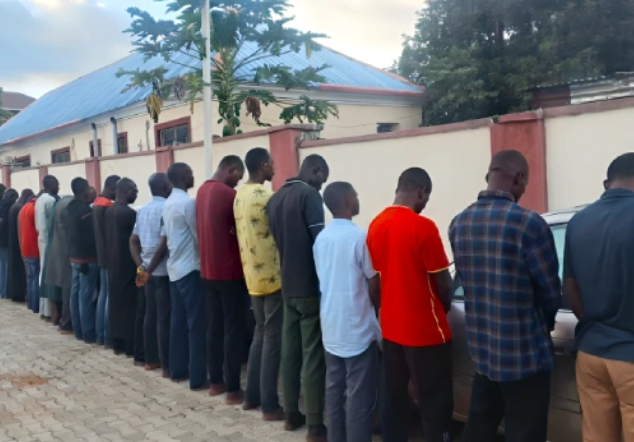
- The suspended Niger State Commandant and 23 other officers were publicly paraded at the Corps Headquarters in Abuja.
- This action signals increased accountability for security forces involved in operations against illegal mining.
- The incident highlights the potential for criminal liability and reputational risks for organizations involved in security operations.
What Happened
Lawyers advising mining companies, security contractors, or government agencies should review their clients' protocols regarding use of force and engagement with informal miners.
The Nigeria Security and Civil Defence Corps (NSCDC) has taken decisive action by detaining 24 of its personnel, including the suspended Niger State Commandant, Subaru Siyaka Aniviye, who has since been replaced by a new commandant. This significant internal measure follows an incident involving the deaths of 37 individuals identified as suspected illegal miners within Niger State. The detained officers, comprising Commandant Aniviye and 23 other subordinates, were publicly presented at the Corps Headquarters in Abuja, signaling a robust response from the security agency.
This widespread NSCDC personnel detention in Abuja underscores the gravity of the situation and the Corps' commitment to addressing alleged misconduct. The NSCDC Commandant Subaru Aniviye arrest, alongside a substantial number of his officers, indicates a serious investigation into the circumstances that led to the fatalities. The public parading of the personnel is a notable step, often employed by Nigerian security forces to demonstrate transparency and accountability in high-profile cases.
The Incident and Its Context
The detentions are directly linked to the tragic illegal mining deaths Niger State experienced, where 37 suspected informal miners lost their lives. While specific details surrounding the operational engagement that resulted in these fatalities have not been fully disclosed, the immediate and extensive arrests by the Nigeria Security and Civil Defence Corps suggest a direct connection between the actions of its officers and the deaths. This event highlights the inherent dangers and complexities associated with mining law enforcement Nigeria, particularly in regions grappling with widespread illicit mining activities.
The public presentation of the suspended Commandant, Subaru Siyaka Aniviye NSCDC, and the other 23 officers serves as a powerful demonstration of the Corps' intent to hold its members accountable. Such a move is designed to convey a message of zero tolerance for operational failures or abuses, both internally and to the wider public. The scale of the personnel involved in the detention indicates a comprehensive review of the security operation that preceded the deaths of the miners.
Legal and Accountability Implications
This development signals increased accountability for security forces involved in operations against illegal mining in Nigeria. The detention of a commandant and numerous officers for their alleged role in the deaths of suspected illegal miners sets a significant precedent for how such incidents may be handled in the future. It underscores the potential for criminal liability for personnel engaged in security operations, particularly when the use of force results in fatalities. This move by the Nigeria Security and Civil Defence Corps could prompt a widespread re-evaluation of engagement protocols and rules of engagement for security agencies operating in sensitive environments.
Lawyers advising mining companies, security contractors, or government agencies should review their clients' protocols regarding use of force and engagement with informal miners. The NSCDC Commandant Subaru Aniviye arrest and the subsequent detention of other officers highlight the growing scrutiny over security operations. Organizations must anticipate potential criminal liability for personnel and significant reputational risks for organizations if their security operations are perceived to contribute to unlawful deaths or human rights abuses. This incident reinforces the need for robust legal frameworks and strict adherence to operational guidelines in mining law enforcement Nigeria.
Why It Matters
The actions taken by the NSCDC reflect a broader push towards greater transparency and responsibility within Nigeria's security apparatus. The public nature of the NSCDC personnel detention in Abuja, including the high-profile Commandant Subaru Siyaka Aniviye, suggests an intent to reassure the public and international observers that allegations of misconduct will be thoroughly investigated and acted upon. This could have far-reaching implications for how security forces conduct their duties, especially in sectors like mining where informal operations often lead to confrontations.
The incident involving the illegal mining deaths Niger State also brings to the forefront the complex challenges of managing natural resources and maintaining order in areas prone to illicit activities. The need for effective, lawful, and humane approaches to mining law enforcement Nigeria is paramount. This case serves as a stark reminder that while security forces are tasked with upholding the law, their methods are subject to intense scrutiny, and any perceived overreach or excessive force can lead to severe consequences for individual officers and the institutions they represent.
Practical Implications
This development signals increased accountability for security forces involved in operations against illegal mining in Nigeria. Lawyers advising mining companies, security contractors, or government agencies should review their clients' protocols regarding use of force and engagement with informal miners, anticipating potential criminal liability for personnel and reputational risks for organizations.
Source
How does this affect you?
Get an AI analysis of this article grounded in your jurisdictions, practice areas, and any policy documents you've uploaded to Wansom.
Finish Reading the Full Story and the Expert Analysis.
Get the latest legal & regulatory intelligence in Nigeria
Wansom is AI and can make mistakes.