
NRSA Ghana: Auctioned Vehicle Surplus Refund Policy Confirmed
Summary
- The National Road Safety Authority will refund surplus funds from auctioned vehicles of non-subscribers to the mandatory towing service.
- Towing costs will be deducted from auction proceeds, and the refund is contingent on the owner being traceable.
- If an owner cannot be traced, any surplus funds will be deposited into a government account.
- Vehicle owners will have a 21-day period to claim their vehicle or the surplus before the auction proceeds.
- The policy aims to clear accident-damaged vehicles left unclaimed at police stations, which currently burden authorities.
NRSA Announces Surplus Refund Policy
The National Road Safety Authority has confirmed that any surplus funds generated from the auction of vehicles belonging to non-subscribers of the mandatory towing service will be returned to their owners, provided they can be successfully traced after the deduction of towing expenses.
The National Road Safety Authority (NRSA) in Ghana has confirmed a new policy regarding the refund of surplus funds generated from the auction of vehicles. This initiative specifically targets motorists who have not subscribed to the mandatory towing service. According to the NRSA, any amount remaining after the deduction of towing costs from the sale of such vehicles will be returned to the original owner, provided they can be successfully identified and located.
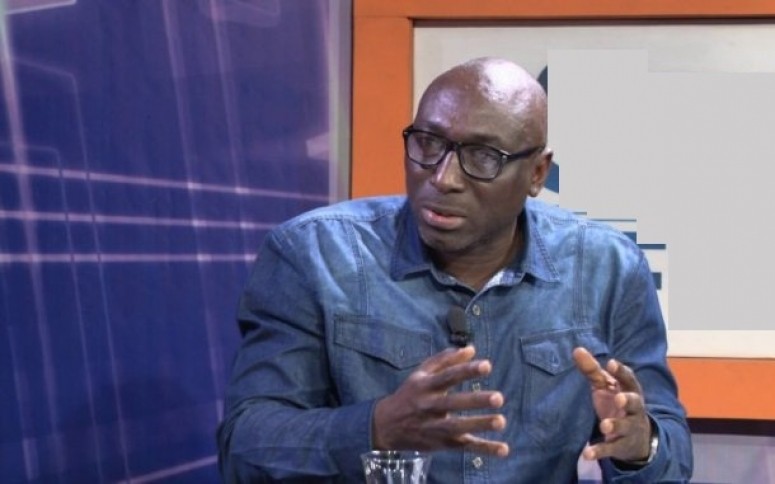
Abraham Amaliba, the Director General of the NRSA, elaborated on this during an appearance on Joy FM’s Super Morning Show. He stated that the primary step involves recovering the expenses incurred for towing the vehicle. Should the auction proceeds exceed these costs, the remaining balance will be remitted to the owner. However, a critical condition for this refund is the ability to trace the owner; if an owner cannot be found, the surplus funds will be deposited into a government account. This clarification followed a query from the program's host concerning the fate of auction balances for vehicles sold due to unpaid towing charges.
Tracing Owners and Claiming Funds
The new arrangement is specifically designed to address situations where vehicle owners have not enrolled in the towing service, are unreachable, or have failed to respond to contact attempts. To facilitate the refund process and ensure fairness, the NRSA will utilize existing vehicle registration records to trace the rightful owners. Once identified, owners will be granted a 21-day period to come forward and claim either their vehicle or the surplus funds before the auction proceeds.
This structured approach forms a crucial part of the vehicle impoundment refund process Ghana is implementing. It aims to provide a clear pathway for recovering the costs associated with towing and clearing vehicles that have been abandoned for extended periods, while also ensuring that owners are not unduly deprived of any remaining value from their auctioned assets. The NRSA tracing vehicle owners mechanism is central to the policy's effectiveness.
Addressing Unclaimed Vehicles at Police Stations
A significant driver behind this policy is the pervasive issue of accident-damaged vehicles left unclaimed at police stations across Ghana. Director General Amaliba highlighted that many police stations are currently inundated with these cars, which occupy valuable space and impose a substantial storage burden on authorities. He noted that owners frequently fail to retrieve these vehicles, leading to their prolonged abandonment.
This new framework for auctioned unclaimed vehicles Ghana seeks to alleviate this problem by providing a legal and administrative process to clear these long-standing impoundments. The Director General explicitly stated that the law is intended to help clear these accumulated vehicles, which have become a common sight at many police facilities.
Future Road Safety Interventions
Beyond the refund policy, the National Road Safety Authority Ghana is also exploring advanced systems to enhance road safety and vehicle management. The authority is considering implementing a system that would empower road safety officials and the police to proactively identify and arrange for the removal of vehicles left on major roads. This is particularly relevant in scenarios where owners might be incapacitated, such as after an accident requiring hospitalization, and thus unable to act immediately.
This proposed system would grant officials access to all major roads in Ghana, enabling them to spot stationary vehicles that pose a risk to other road users. The goal is to intervene promptly to remove such hazards, with subsequent engagement with the vehicle owner to address the situation. This proactive measure underscores the NRSA's commitment to maintaining clear and safe roadways, complementing the Ghana mandatory towing service policy.
Practical Implications
Lawyers advising vehicle owners in Ghana should be aware of the NRSA's new policy to refund surplus funds from auctioned vehicles of non-subscribers, after deducting towing costs. They must inform clients about the 21-day period to claim vehicles or surplus, and the process for tracing owners, especially for those whose vehicles are impounded after accidents.
Source
How does this affect you?
Get an AI analysis of this article grounded in your jurisdictions, practice areas, and any policy documents you've uploaded to Wansom.
Finish Reading the Full Story and the Expert Analysis.
Get the latest legal & regulatory intelligence in Ghana
Wansom is AI and can make mistakes.