
NPAZ Zimbabwe: 9,020 SGBV Cases Reported in 2026, Minors Heavily Affected
Summary
- The National Prosecuting Authority of Zimbabwe recorded 9,020 sexual and gender-based violence cases in the first nine months of 2026.
- This caseload averages out to approximately 33 new cases reported each day across the country.
- A significant portion, 3,678 of these cases, involved minors as victims.
- More than 2,000 of the total SGBV cases are currently still pending within the justice system.
- Prosecutor-General Justice Loyce Matanda-Moyo released these statistics during the 16 Days of Activism Against Gender-Based Violence campaign.
Alarming Caseload Revealed
A particularly concerning aspect of the recently released Zimbabwe sexual gender-based violence data is the high number of cases involving minors.
The National Prosecuting Authority of Zimbabwe (NPAZ) has reported a significant surge in sexual and gender-based violence (SGBV) cases during the initial nine months of 2026. A total of 9,020 such cases were brought before the authority within this period, indicating a pervasive issue across the nation. This substantial figure translates to an average of approximately 33 new SGBV cases being recorded every single day.
These striking NPAZ SGBV cases Zimbabwe 2026 statistics underscore the persistent challenges faced in combating gender-based violence. The sheer volume of reported incidents highlights the urgent need for comprehensive interventions, from prevention to prosecution, to address the root causes and consequences of such violence within Zimbabwean communities. The data provides a stark snapshot of the ongoing struggle for justice and safety.
Minors Disproportionately Affected
A particularly concerning aspect of the recently released Zimbabwe sexual gender-based violence data is the high number of cases involving minors. Out of the 9,020 SGBV cases recorded by the NPAZ, a staggering 3,678 specifically pertained to child victims. This indicates that a significant portion of the violence is directed towards the most vulnerable members of society, demanding specialized attention and protection.
Furthermore, the judicial system is grappling with a substantial backlog, as more than 2,000 of these cases, including many of the Zimbabwe SGBV minors cases, remain pending. This backlog not only delays justice for victims but also places immense pressure on the prosecutorial and judicial resources. The protracted nature of these proceedings can have profound and lasting impacts on survivors, particularly children, who require swift and sensitive handling of their cases.
Official Disclosure and Context
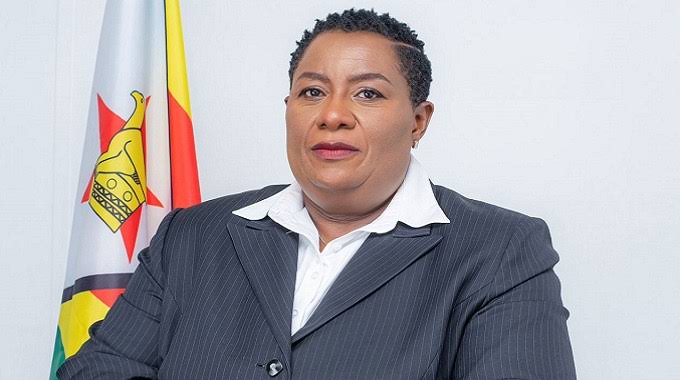
These critical National Prosecuting Authority Zimbabwe statistics were formally disclosed by Prosecutor-General Justice Loyce Matanda-Moyo. Her statement, issued on a Wednesday in late November 2026, coincided with Zimbabwe's participation in the global 16 Days of Activism Against Gender-Based Violence campaign. The timing of this release served to highlight the severity of the issue during a period dedicated to raising awareness and advocating for an end to gender-based violence worldwide.
The Prosecutor-General Loyce Matanda-Moyo SGBV report provides an authoritative insight into the scale of the problem, reinforcing the message of the 16 Days of Activism Zimbabwe SGBV initiative. The public dissemination of such detailed figures by a high-ranking official underscores the government's acknowledgment of the crisis and its commitment, at least in principle, to transparency regarding the prevalence of these crimes.
Implications for Justice System
The sheer volume of SGBV cases, particularly those involving minors, presents significant challenges for the Zimbabwean justice system. The daily average of 33 new cases places immense strain on investigators, prosecutors, and courts, potentially leading to systemic delays and resource limitations. This situation can impact the efficiency and effectiveness of legal processes, affecting the timely delivery of justice for victims.
The substantial number of pending cases, exceeding 2,000, suggests a bottleneck within the system that could exacerbate trauma for survivors and undermine public confidence in legal recourse. Addressing this extensive caseload requires not only increased resources but also potentially innovative approaches to case management and judicial processing to ensure that justice is not unduly delayed for those who have experienced sexual and gender-based violence.
Practical Implications
Lawyers handling sexual and gender-based violence cases in Zimbabwe should note the significant caseload reported by the NPAZ, particularly concerning minors, as this indicates a high prevalence and potential for systemic delays or resource strains within the prosecution system. This data can inform case strategy, client expectations, and advocacy efforts for improved judicial processes.
Source
How does this affect you?
Get an AI analysis of this article grounded in your jurisdictions, practice areas, and any policy documents you've uploaded to Wansom.
Finish Reading the Full Story and the Expert Analysis.
Get the latest legal & regulatory intelligence in Zimbabwe
Wansom is AI and can make mistakes.