
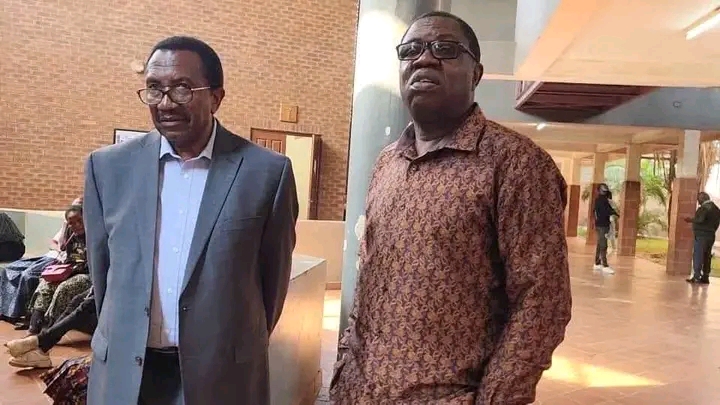
NPA Wants Malanji Yamba Sentences Increased in Zambia
Summary
- The National Prosecutions Authority (NPA) has appealed to the Court of Appeal to increase the prison sentences of Joe Malanji and Fredson Yamba.
- Joe Malanji is the former Foreign Affairs minister, and Fredson Yamba is the former secretary to the treasury.
- The NPA argues that the initial sentences were too lenient given the seriousness of their offenses.
- This action signals the NPA's intent to pursue more stringent penalties for high-profile corruption cases.
- The Zambian courts are currently reviewing the original jail terms imposed on Malanji and Yamba as part of the ongoing appeal process.
What Happened
Legal practitioners should note this aggressive stance when advising clients on potential sentencing outcomes in similar cases, as it suggests that the NPA is determined to ensure that penalties for serious offenses, especially those involving public funds and trust, are not perceived as mere slaps on the wrist.
The National Prosecutions Authority (NPA) has formally requested the Court of Appeal to review and subsequently increase the prison sentences handed down to former Foreign Affairs minister Joe Malanji and former secretary to the treasury Fredson Yamba. This move by the NPA signals a clear intention to pursue more stringent penalties for high-profile corruption cases in Zambia.
The Authority's appeal is rooted in the belief that the initial jail terms imposed on Malanji and Yamba were excessively lenient. The NPA contends that the gravity of the offenses committed by both individuals warrants a more severe punishment than originally decreed, emphasizing the serious nature of their actions while in public office. This challenge to the initial sentencing highlights the NPA's commitment to ensuring that judicial outcomes align with the severity of white-collar crimes.
Legal Context
The National Prosecutions Authority Zambia, as the body responsible for prosecuting criminal cases, possesses the legal standing to appeal sentences it deems inadequate. Their current action, seeking to increase the Malanji Yamba jail terms, falls squarely within their mandate to ensure justice is served and that penalties reflect the harm caused by criminal conduct, particularly in cases involving abuse of public trust.
This appeal is currently being heard by the Zambian courts, which have the authority to review lower court decisions, including sentencing. The Court of Appeal sentences can be adjusted upwards or downwards, or the original sentence can be upheld, based on legal arguments presented by both the prosecution and the defense. The NPA's argument hinges on the assertion that the original sentences failed to adequately consider the seriousness of the offenses, a key factor in sentencing guidelines.
Why It Matters
This development, where the NPA wants Malanji Yamba sentences increased, carries significant implications for the landscape of anti-corruption efforts in Zambia. It underscores a more aggressive stance by the National Prosecutions Authority against public officials implicated in corruption, suggesting a shift towards seeking maximum deterrent sentences.
The Joe Malanji Fredson Yamba appeal serves as a critical indicator for future corruption cases, particularly those involving individuals who held positions of power. Legal practitioners should note this aggressive stance when advising clients on potential sentencing outcomes in similar cases, as it suggests that the NPA is determined to ensure that penalties for serious offenses, especially those involving public funds and trust, are not perceived as mere slaps on the wrist. This Zambia corruption sentencing appeal could set a precedent for how such cases are handled moving forward, reinforcing the message that corruption will be met with robust legal action and appropriate punishment.
Practical Implications
This development signals the National Prosecutions Authority's intent to pursue more stringent penalties for corruption, particularly for high-profile public officials. Legal practitioners should note this aggressive stance when advising clients on potential sentencing outcomes in similar cases.
Source
How does this affect you?
Get an AI analysis of this article grounded in your jurisdictions, practice areas, and any policy documents you've uploaded to Wansom.
Finish Reading the Full Story and the Expert Analysis.
Wansom is AI and can make mistakes.