
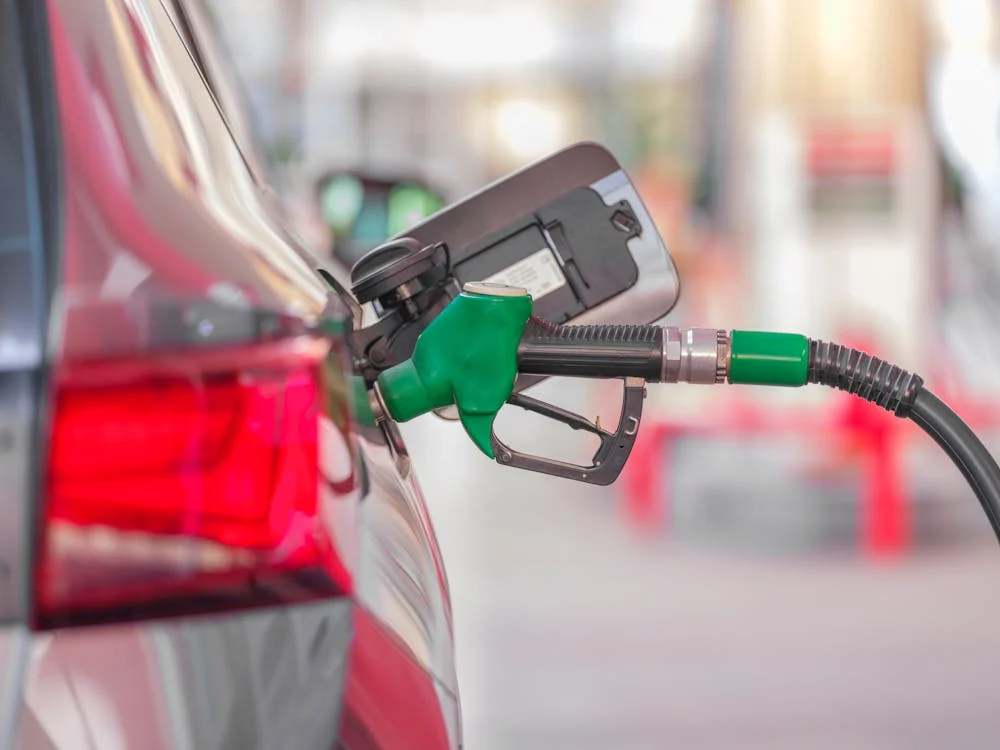
NPA Ghana: December Fuel Price Floor Reduced Significantly
Summary
- The National Petroleum Authority (NPA) reduced the floor price for petrol and LPG effective December 1, 2026.
- Petrol's floor dropped by 9.72% to GH¢12.36, and LPG's by 19.08% to GH¢12.98.
- These floor prices exclude company-specific premiums and margins, which OMCs determine using a prescribed formula.
- The Chamber of Oil Marketing Companies (COMAC) has called for investigations into non-compliance with the price floor by some operators.
- Final pump prices will vary based on individual company adjustments, despite the lower floor.
Revised Fuel Price Floors Announced
Lawyers and compliance officers for oil marketing companies (OMCs) and bulk distributors in Ghana must ensure their pricing strategies and operations strictly adhere to the National Petroleum Authority's (NPA) revised December price floors and the prescribed petroleum products pricing formula to avoid potential investigations and sanctions for non-compliance, as highlighted by the Chamber of Oil Marketing Companies.
The National Petroleum Authority (NPA) in Ghana has implemented a significant reduction in the minimum “floor” prices for various petroleum products, effective December 1, 2026. This adjustment aims to influence market pricing for the initial half of December. The revised NPA Ghana December fuel price floor represents a notable shift in the regulatory landscape for fuel retailers.
Specifically, the price floor for petrol has been lowered from GH¢13.69 to GH¢12.36 per liter for the December 1-16 pricing window. This change marks a 9.72% decrease compared to the floor price set by the NPA on November 14, 2026. Similarly, the floor price for Liquefied Petroleum Gas (LPG) has seen an even more substantial reduction, dropping to GH¢12.98 from its previous level of GH¢15.93, constituting a 19.08% decline.
Understanding the Pricing Mechanism
It is crucial to understand that these floor prices established by the National Petroleum Authority do not represent the final pump prices consumers will encounter. The NPA's figures specifically exclude several components that contribute to the ultimate retail cost. These omitted elements include premiums levied by international oil trading companies, the operational margins of bulk import, distribution, and export companies, and the margins applied by individual oil marketing companies (OMCs) and LPG marketing companies.
Each respective company retains the autonomy to determine these additional charges independently. This determination must, however, strictly adhere to the prescribed Ghana petroleum products pricing formula. This formula is a critical regulatory tool ensuring a structured approach to pricing while allowing for market-specific operational costs and profit margins. The interplay between the NPA's floor and these company-specific additions dictates the final price at the pump.
Market Implications and Price Outlook
The recent adjustments to the NPA Ghana December fuel price floor are anticipated to lead to varied price movements at the pumps starting December 1, 2026. While the lower floor prices could provide oil marketing companies with greater flexibility to reduce their retail prices for petrol and LPG, the ultimate adjustments will be contingent upon the specific premiums and margins that individual companies choose to apply. This means that consumer prices may not uniformly reflect the full extent of the floor price reduction.
Based on historical market trends, there are strong indications that both petrol and LPG prices could experience further reductions, while diesel prices might see an upward adjustment. The market has also undergone several significant adjustments recently, introducing an element of uncertainty regarding the precise impact on the margin of reductions at the pumps from December 1, 2026. This dynamic environment underscores the complexity of fuel pricing in Ghana. Prior to this announcement, market players, including Star Oil Chief Executive Philip Kwame Tieku, had publicly advocated for a reduction in the price floor to enable selling petrol below GH¢13.69 per liter.
Compliance and Regulatory Scrutiny
Amidst these pricing changes, the Chamber of Oil Marketing Companies (COMAC) has voiced serious concerns regarding non-compliance with the established price floor by certain oil marketing companies in the country. In a statement released on Thursday, November 26, 2026, COMAC specifically urged the industry regulator, the Ghana National Petroleum Authority, to initiate investigations into all reported cases of non-compliance and circumvention of the policy. The Chamber emphasized the necessity of applying appropriate sanctions in accordance with due process to maintain market integrity.
This call for stricter enforcement highlights a critical area for legal and compliance professionals within the petroleum sector. Lawyers and compliance officers for oil marketing companies (OMCs) and bulk distributors in Ghana must ensure their pricing strategies and operations strictly adhere to the National Petroleum Authority's (NPA) revised December price floors and the prescribed petroleum products pricing formula to avoid potential investigations and sanctions for non-compliance, as highlighted by the Chamber of Oil Marketing Companies. Adherence to these regulations is paramount to avoid penalties and uphold fair market practices for OMC compliance fuel price Ghana.
Practical Implications
Lawyers and compliance officers for oil marketing companies (OMCs) and bulk distributors in Ghana must ensure their pricing strategies and operations strictly adhere to the National Petroleum Authority's (NPA) revised December price floors and the prescribed petroleum products pricing formula to avoid potential investigations and sanctions for non-compliance, as highlighted by the Chamber of Oil Marketing Companies.
Source
How does this affect you?
Get an AI analysis of this article grounded in your jurisdictions, practice areas, and any policy documents you've uploaded to Wansom.
Finish Reading the Full Story and the Expert Analysis.
Get the latest legal & regulatory intelligence in Ghana
Wansom is AI and can make mistakes.