
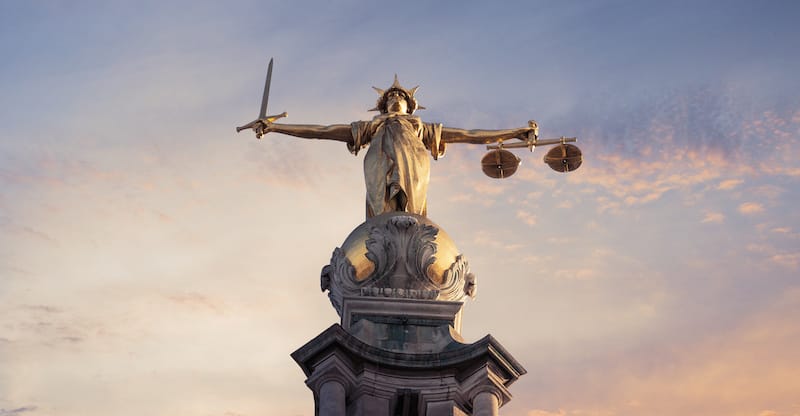
Alex Norris: UK Jury Trial Curbs Scaled Back Amid Backlash
Summary
- The UK government has partially reversed plans to expand judge-alone criminal trials, retaining juries for most serious cases.
- Justice Secretary Alex Norris cited public and professional feedback for the decision, which will be implemented via amendments to the Courts and Tribunals Bill.
- However, complex fraud and financial cases will still proceed with judges sitting without juries.
- Other reforms, including increased sentencing powers for magistrates, are moving forward to address the significant Crown Court backlog of nearly 81,000 cases.
- The Bar Council welcomed the partial U-turn but raised concerns that expanded magistrates' powers could strain courts and deepen justice system disparities.
Government Scales Back Jury Trial Curbs
While the government has reversed its stance on a broad expansion of judge-alone trials, complex fraud and financial cases will still proceed without a jury, alongside other significant reforms aimed at alleviating the substantial Crown Court backlog.
The UK government has announced a partial reversal of its controversial plans to significantly expand the number of criminal cases heard by a judge alone, following widespread criticism from legal professionals. Justice Secretary Alex Norris confirmed the decision, stating he had acknowledged the strong sentiment surrounding the proposed changes. This means that more serious criminal matters will continue to be decided by juries, upholding a long-standing principle of the justice system.
However, the policy shift is not absolute. Specific categories of cases, particularly those involving lengthy and technically complex fraud and financial matters, are still slated to be heard by judges sitting without a jury. This carve-out indicates a targeted approach to perceived efficiencies within certain areas of the legal system. The government also remains committed to other broader reforms designed to address the substantial backlog in the Crown Court, including granting magistrates enhanced sentencing powers and allowing courts greater discretion in determining the appropriate venue for certain cases.
These revised proposals represent a significant departure from earlier intentions. Last November, then-Justice Secretary David Lammy had put forward plans that would have seen jury trials removed from the majority of criminal cases, with juries reserved only for the most grave offenses such as murder, rape, and manslaughter. The current amendments are set to be introduced through the Courts and Tribunals Bill, which is scheduled to return to parliament later this month for further consideration.
Addressing the Crown Court Backlog
The impetus behind these reforms, both the scaled-back jury trial curbs and the ongoing changes, is the pressing issue of the Crown Court backlog. Currently, the system faces an overwhelming caseload of nearly 81,000 cases, with a concerning proportion—almost one-third—having been pending for a year or more. This extensive delay has significant implications for victims, defendants, and the overall efficiency of justice delivery.
Justice Secretary Alex Norris emphasized that the decision to alter course on judge-alone trials was made to expedite the judicial process. He articulated a commitment to ensuring that victims do not face interminable waits for justice under the current administration. The remaining reforms, such as the expansion of magistrates' sentencing powers and the flexibility for courts to decide case venues, are directly aimed at streamlining proceedings and reducing the pressure on the Crown Court system, thereby working towards alleviating the substantial backlog.
Legal Profession's Mixed Response
The Bar Council, representing barristers across England and Wales, has offered a qualified welcome to the government's partial U-turn. Kirsty Brimelow KC, chair of the Bar Council, described the move as a "significant and welcome" step away from diminishing the role of juries in criminal trials. She specifically commended Justice Secretary Norris for engaging with and responding to the concerns raised by the legal profession regarding the initial proposals.
Despite this positive reception for the reversal on broader judge-alone trials, the Bar Council also voiced significant reservations about other aspects of the ongoing reforms. Brimelow warned that the expansion of magistrates' sentencing powers, coupled with the potential removal of a defendant's right to elect a jury trial, could place undue strain on magistrates' courts. Furthermore, she cautioned that these changes might exacerbate existing disparities within the justice system, highlighting concerns about the capacity of magistrates' courts to handle an increased workload and more complex sentencing decisions.
Practical Implications
UK lawyers must note the revised scope of criminal cases heard by judge alone, particularly for fraud and financial matters, and the expanded sentencing powers of magistrates. This impacts trial strategy and client advice regarding court proceedings and potential sentencing outcomes in the Crown Court.
Source
How does this affect you?
Get an AI analysis of this article grounded in your jurisdictions, practice areas, and any policy documents you've uploaded to Wansom.
Finish Reading the Full Story and the Expert Analysis.
Get the latest legal & regulatory intelligence in United Kingdom
Wansom is AI and can make mistakes.