
IN Supreme Court: Non-Signatory Bound by Arbitration Based on Conduct
Summary
- The Supreme Court ruled that a non-signatory can be bound by an arbitration agreement if their conduct, role, and interconnected agreements show an intention to be bound.
- Courts must consider factors such as mutual intention, the relationship between parties, common subject matter, and the composite nature of the transaction.
- The decision stemmed from an appeal involving Ashiesh Shukla, who, despite not signing the main Memorandum of Settlement, had a fundamental role through a related Share Purchase Agreement.
- The Court emphasized that agreements executed simultaneously for a single commercial objective, where one's performance depends on another, must be read together.
- This ruling clarifies that substantive involvement and intent can override the mere absence of a signature on an arbitration agreement.
Supreme Court Clarifies Arbitration Scope for Non-Signatories
A non-signatory may be compelled into arbitration if their conduct, their specific role in the transaction, and the interconnectedness of various agreements demonstrate a clear intention to be bound by the arbitration clause.
India's Supreme Court has delivered a significant ruling clarifying the circumstances under which a party who has not formally signed an arbitration agreement can still be legally bound by its terms. The Court determined that a non-signatory may be compelled into arbitration if their conduct, their specific role in the transaction, and the interconnectedness of various agreements demonstrate a clear intention to be bound by the arbitration clause.
This decision arose from an appeal filed by KKH Finvest Pvt Ltd and another, focusing on Ashiesh Shukla. Shukla was not a signatory to the primary Memorandum of Settlement (MoS) dated May 9, 2022, which outlined the terms for KKH Finvest's intended takeover of Sensorise Digital Services Pvt Ltd and its sister concern, Sensorise Smart Solutions Pvt Ltd. However, Shukla had executed a separate Share Purchase Agreement (SPA) on the very same day, in which he was identified as a seller of shares. The central question before the Supreme Court was whether Shukla, despite not signing the MoS, could be considered a party to the arbitration proceedings initiated under it, overturning a distinction made by the High Court's single judge.
Legal Principles for Binding Non-Signatories
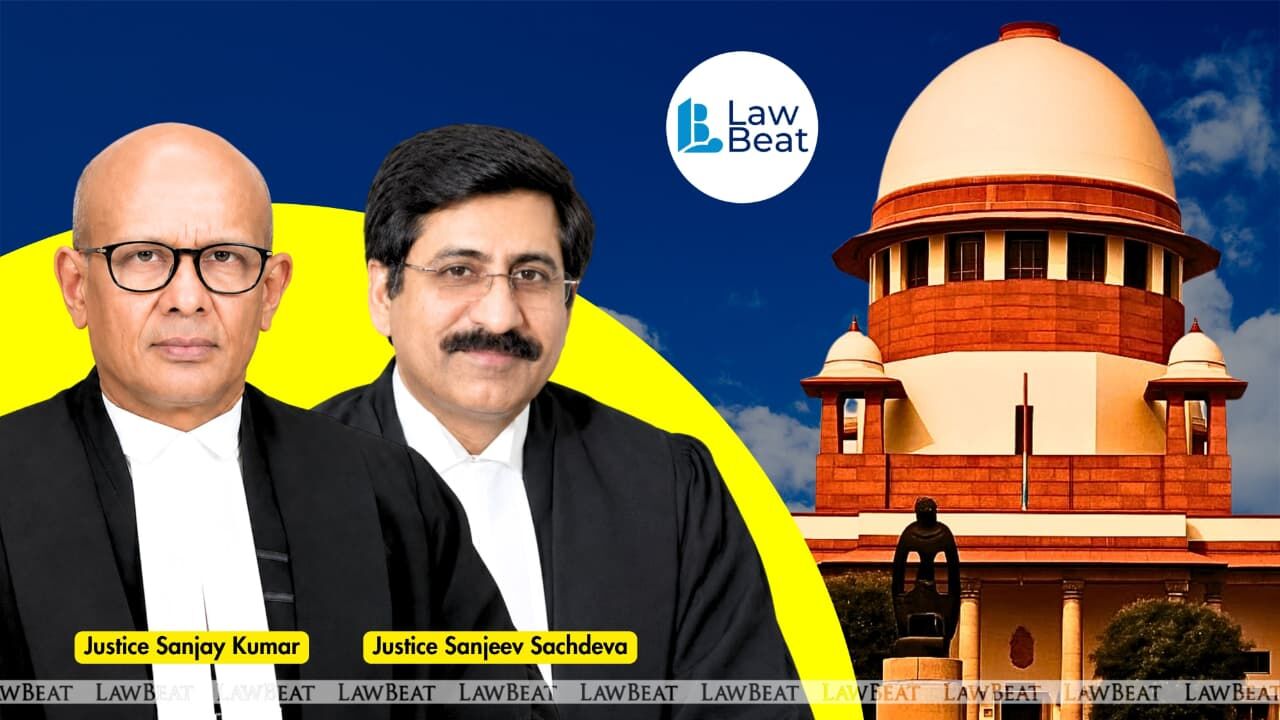
The Supreme Court, comprising Justices Sanjay Kumar and Sanjeev Sachdeva, articulated several key factors courts must consider when assessing whether a non-signatory is bound by an arbitration agreement. These include the mutual intention of all parties involved, the nature of the relationship between the signatories and the non-signatories, the commonality of the subject matter across different agreements, and whether the overall transaction is composite in nature. The bench emphasized that merely not signing an arbitration agreement does not automatically exempt a person from its scope, particularly if their actions and substantive involvement in the transaction clearly indicate an intent to be bound.
The Court underscored the importance of viewing simultaneously executed agreements as a single, composite transaction when they share a common commercial objective and the performance of one agreement is contingent upon another. This holistic approach prevents an isolated interpretation of clauses from undermining the participation of a party whose role is fundamental to the successful completion of the main underlying settlement. The ruling referenced previous decisions in *Cox and Kings Limited v. SAP India Private Limited and another (2024)* and *Oil and Natural Gas Corporation Limited v. Discovery Enterprises Private Limited and another (2022)*, reinforcing established legal precedents.
Application to the KKH Finvest Case
In applying these principles to the specific facts of the KKH Finvest case, the Supreme Court found that Ashiesh Shukla's obligations were inextricably linked to the broader transaction. KKH Finvest, a company engaged in investment, consultancy, and business promotion, aimed to acquire Sensorise Digital Services and Sensorise Smart Solutions. While Shukla was not a party to the MoS, which involved KKH Finvest as the 'buyer' and the Sensorise entities along with their promoters (Sharad Arora and Rajeev Arora), he was listed as a shareholder holding 1,480 shares (0.05% shareholding) in a 'List of consultants/employee shareholders'.
The Court noted that Shukla, through his separate Share Purchase Agreement, committed to selling his shares and complying with the terms outlined in the MoS. The performance of his commitments under the SPA was deemed fundamental to the fulfillment of the obligations detailed in the MoS. Without Shukla transferring his shares, the MoS would remain incomplete. The Supreme Court therefore concluded that there was no substantive difference between Shukla and other individuals like Ajay Nandy, Abhishek Batra, Prasun Nigam, and Achin Jain, who had already been recognized as legitimate parties to the agreement, thereby rejecting the High Court's earlier distinction.
Why This Ruling Matters
This Supreme Court judgment provides crucial clarity on the doctrine of 'group of companies' and the circumstances under which non-signatories can be brought within the ambit of an arbitration agreement. It reinforces the principle that the substance of a transaction and the actual conduct and intent of parties can override the mere absence of a signature on a specific document. For commercial entities, this means that involvement in a composite transaction, even through ancillary agreements, can create an obligation to arbitrate if that involvement is fundamental to the overall commercial objective.
The ruling serves as an important reminder for businesses and legal practitioners to carefully consider the interconnectedness of various agreements within a larger commercial deal. It highlights that courts will look beyond the literal signatories to determine the true intent and role of all parties involved, ensuring that no party can evade arbitration obligations by structuring their participation through separate, but intrinsically linked, agreements.
Source
Source: Original reporting via Live Law
How does this affect you?
Get an AI analysis of this article grounded in your jurisdictions, practice areas, and any policy documents you've uploaded to Wansom.
Wansom is AI and can make mistakes.