
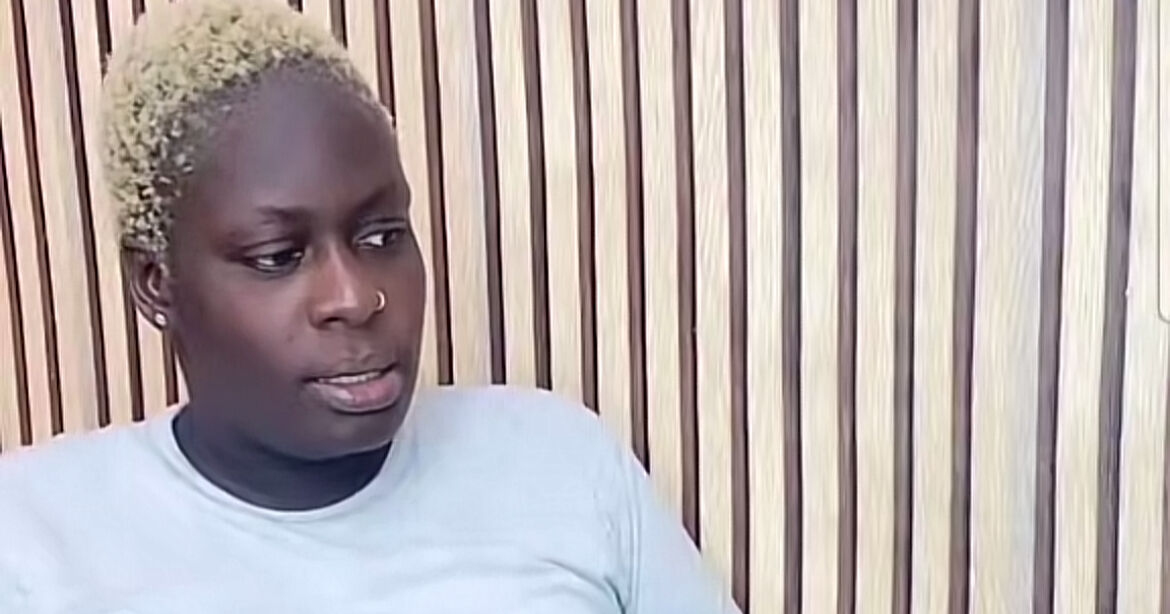
Nogaye Kara: Garde à Vue TikTok Sénégal for Public Insults
Summary
- Nogaye Kara was placed in police custody on Tuesday following an order from Pikine Prosecutor Saliou Dicko.
- She faces charges related to public insults, threats, and content deemed contrary to good morals disseminated on social media.
- The prosecutor initiated the proceedings through "autosaisine" after a dispute on a TikTok live session involving Kara and another user named "Mimi."
- Nogaye Kara expressed regret during her audition, stating she was defending the child of a cyberactivist friend.
- Her transfer to the prosecutor's office is scheduled for Wednesday, and "Mimi" is also facing similar charges.
What Happened: Nogaye Kara in Custody
This case underscores the proactive approach of the Senegalese judiciary, particularly the prosecutor's office, in addressing online conduct that transgresses legal and moral boundaries on platforms like TikTok.
On Tuesday, Nogaye Dieng, widely recognized by her online moniker Nogaye Kara, was taken into police custody following a directive from Saliou Dicko, the prosecutor of Pikine. This significant development in the "Nogaye Kara garde à vue TikTok Sénégal" case saw her detained at the research brigade facilities located in Keur Massar, after she had been summoned for questioning earlier that morning. The legal action against her stems from allegations concerning public discourse deemed contrary to good morals, the dissemination of insults on various social media platforms, and explicit threats.
The charges highlight a growing concern over content shared on digital "réseaux sociaux" within Senegal. Nogaye Kara's "déferrement parquet Sénégal" — her formal transfer to the prosecutor's office for further proceedings — is anticipated for Wednesday. This procedural step indicates the seriousness with which authorities are treating the accusations, signaling a direct and swift response to alleged online transgressions. The incident has drawn considerable attention to the legal ramifications of online interactions in the country.
Legal Context: Prosecutor's Proactive Stance
The initiation of these proceedings by Prosecutor Saliou Dicko was not prompted by a formal complaint from an aggrieved party but rather through an "autosaisine procureur Sénégal." This legal mechanism allows the prosecutor to independently launch an investigation and pursue charges based on information that comes to their attention, demonstrating a proactive stance against certain types of public conduct. In this instance, the prosecutor's decision to act unilaterally underscores the judiciary's increasing vigilance over content shared on platforms like TikTok, particularly when it involves "injures publiques TikTok" and threats.
This case underscores the proactive approach of the Senegalese judiciary, particularly the prosecutor's office, in addressing online conduct that transgresses legal and moral boundaries on platforms like TikTok. It serves as a clear example of how Senegalese legal authorities are prepared to intervene directly in matters of online speech, even in disputes that originate on social media. The principle of "autosaisine" empowers the prosecutor to address issues deemed to affect public order or morality without waiting for a victim to file a complaint, thereby broadening the scope of prosecutorial oversight in the digital realm. It signals a robust legal framework ready to address the evolving challenges presented by online communication.
The TikTok Dispute and Kara's Defense
The catalyst for Nogaye Kara's current legal predicament was a contentious exchange that unfolded during a live broadcast on TikTok. The dispute involved her and another TikTok user, identified only as "Mimi," who reportedly resides in the United States. This online altercation ultimately led to the prosecutor's intervention, resulting in the charges now faced by Nogaye Kara. Interestingly, "Mimi" is also reportedly subject to the same legal proceedings, indicating a symmetrical application of the law to both parties involved in the digital confrontation.
During her official audition, Nogaye Kara conveyed her regrets regarding the incident. She offered an explanation for her actions, stating that her intention was to defend the child of a friend who is a cyberactivist. This defense suggests a motive rooted in loyalty and protection, though it did not prevent the initiation of legal action. The details of the live session and the specific content of the alleged insults and threats remain central to the ongoing investigation.
Implications for Online Speech in Senegal
This incident carries significant implications for individuals engaging with social media platforms across Senegal. The "Nogaye Kara garde à vue TikTok Sénégal" case highlights the potential for serious legal consequences arising from online speech, particularly when it involves public insults, threats, or content deemed to violate public morals. The prosecutor's "autosaisine" in this matter sends a strong message that online conduct is subject to the same legal scrutiny as offline actions, and that digital anonymity or distance does not preclude legal accountability.
The proactive involvement of the "Saliou Dicko procureur Pikine" in this case underscores a broader trend of legal systems adapting to the challenges posed by the digital age. It emphasizes the need for users of "réseaux sociaux" to exercise caution and responsibility in their online interactions, as seemingly private disputes or passionate defenses can quickly escalate into formal legal proceedings, including "poursuites réseaux sociaux" and potential detention. This development serves as a critical reminder of the increasing legal risks associated with unbridled online expression.
Practical Implications
This case demonstrates the Senegalese prosecutor's proactive stance (autosaisine) in addressing online conduct, particularly regarding public insults and threats on social media platforms like TikTok. Lawyers should advise clients on the increasing legal risks associated with online speech and the potential for direct prosecutorial intervention, even in seemingly private disputes.
Source
How does this affect you?
Get an AI analysis of this article grounded in your jurisdictions, practice areas, and any policy documents you've uploaded to Wansom.
Finish Reading the Full Story and the Expert Analysis.
Get the latest legal & regulatory intelligence in Senegal
Wansom is AI and can make mistakes.