
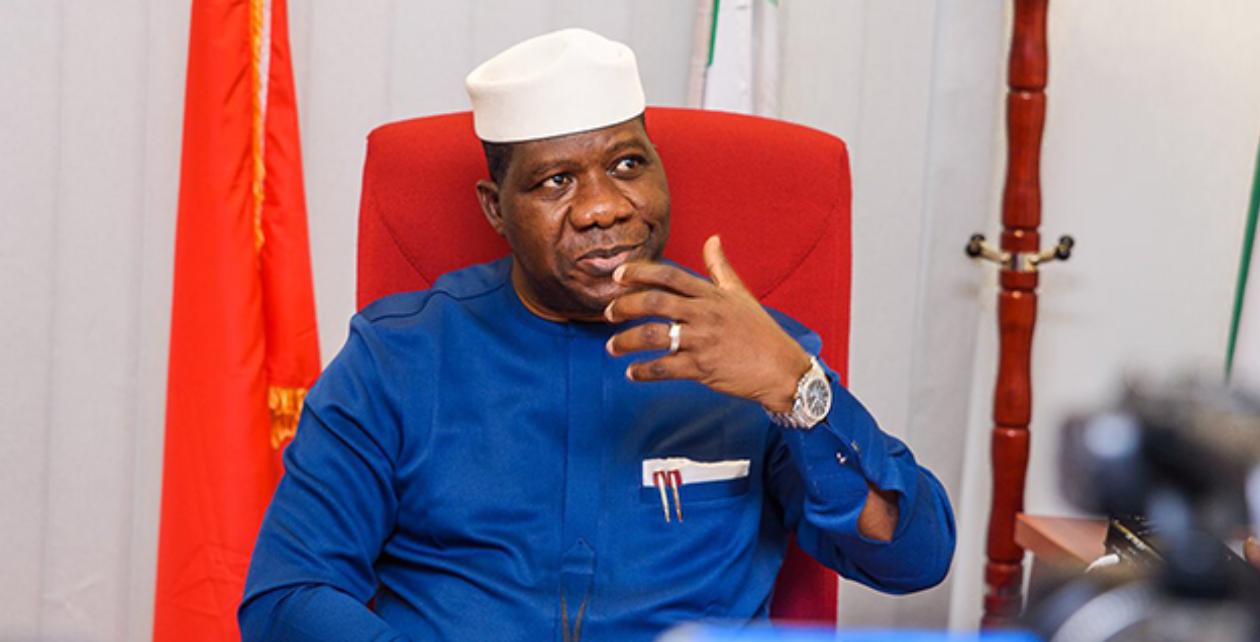
No electoral act amendment before 2027 polls, says Senate leader Bamidele
Abstract
Nigeria's Senate Leader, Senator Opeyemi Bamidele, has declared that there will be no amendments to the Electoral Act before the 2027 general elections. This decision aims to allow the current Electoral Act 2022 to operate fully and for lessons from its application, particularly during the 2023 general elections, to be thoroughly assessed before considering further reforms. While the 2022 Act was hailed as a progressive legal framework, its implementation exposed certain ambiguities and operational challenges, leading to calls for its amendment from various stakeholders. The National Assembly's stance implies that the upcoming elections will be conducted under the existing legal regime, with potential implications for electoral transparency, dispute resolution, and the overall credibility of the process, which practitioners must now navigate.
Introduction
The landscape of Nigeria's electoral jurisprudence has been significantly shaped by the enactment of the Electoral Act 2022, a landmark legislation intended to bolster the integrity and transparency of the nation's elections. However, recent pronouncements from the leadership of the National Assembly indicate a period of legislative pause concerning further amendments to this critical law. Senate Leader, Senator Opeyemi Bamidele, has explicitly stated that the Electoral Act will not undergo any changes before the 2027 general elections, signaling a deliberate intent to allow the existing framework to run its full course.
This decision carries substantial weight for legal practitioners, political parties, the Independent National Electoral Commission (INEC), and the electorate. It means that the legal rules governing the next electoral cycle are now largely settled, at least from a legislative standpoint. The rationale articulated by the Senate Leader is to avoid 'changing the rules in the middle of a game' and to enable a comprehensive review of the Act's performance post-2027. This article will delve into the background of the Electoral Act 2022, analyze the implications of the National Assembly's decision, and highlight key considerations for legal professionals operating within this fixed electoral legal framework.
Background
Nigeria has a rich history of electoral reforms, with successive legislative efforts aimed at refining the electoral process and addressing observed shortcomings. The journey to the Electoral Act 2022 involved a protracted period of advocacy and legislative deliberation, culminating in its assent by President Muhammadu Buhari on February 25, 2022. This Act repealed the Electoral Act 2010 and introduced several innovative provisions designed to enhance the credibility and fairness of elections.
Key features of the Electoral Act 2022 include legal backing for the use of technology in voter accreditation and result management, such as the Bimodal Voter Accreditation System (BVAS) and electronic transmission of results. It also mandated early funding for INEC, increased timelines for various electoral activities, and introduced stricter regulations for political party primaries and candidate nomination. Furthermore, the Act sought to promote internal party democracy by prohibiting political appointees from serving as voting delegates or aspirants in party conventions or congresses, a provision that generated significant legal debate. These reforms were widely seen as progressive steps towards a more transparent and accountable electoral system, intended to mitigate issues of manipulation and impunity that plagued past elections.
Analysis
The Senate Leader's declaration to maintain the Electoral Act 2022 without amendment before the 2027 polls is predicated on the principle of allowing the law to fully operate and mature. This approach suggests a desire to gather sufficient empirical data and practical experience from its application, particularly from the 2023 general elections, before embarking on further legislative adjustments. The argument is that continuous amendments close to an election cycle can introduce instability and uncertainty, akin to altering game rules mid-play.
However, this stance contrasts sharply with calls from civil society organizations and legal experts who have identified significant gaps and ambiguities in the Act, particularly those exposed during the 2023 general elections. For instance, while the Act provided for electronic transmission of results, its implementation faced challenges, leading to delays and undermining public confidence in the process. Critics argue that the Act's provisions on electronic transmission were not sufficiently explicit or mandatory, creating loopholes that were exploited. There have been strong recommendations for clearer legal backing for mandatory real-time electronic transmission of results to enhance transparency and reduce post-election litigation.
Another contentious area has been the regulation of internal party democracy and the resolution of pre-election disputes. The Act's requirement for parties to conduct primaries and submit candidate lists well in advance led to a surge in internal party litigations, often overwhelming the Federal High Court and appellate courts. The Supreme Court, in cases interpreting the Electoral Act 2022, has had to address various issues, including the controversial Section 84(12) regarding political appointees, ultimately declining jurisdiction on a presidential suit seeking to set it aside. These judicial interpretations, alongside the practical challenges of the 2023 elections, highlight areas where many stakeholders believe legislative clarity and strengthening are urgently needed.
The decision not to amend the Act before 2027 means that these identified weaknesses and ambiguities will persist, potentially leading to similar challenges in the next electoral cycle. Legal practitioners will need to be acutely aware of the existing provisions, their judicial interpretations, and the operational realities of INEC, as these will form the unyielding framework for electoral contests and petitions. The absence of further legislative intervention places a greater burden on the judiciary to consistently interpret the Act and on INEC to meticulously apply its provisions and guidelines within the existing legal constraints.
Conclusion
The National Assembly's decision to defer amendments to the Electoral Act 2022 until after the 2027 general elections sets a definitive legal framework for the upcoming polls. For legal practitioners, this means a period of stability in the primary electoral legislation, allowing for focused study and application of the Act as it currently stands, alongside its judicial interpretations. It necessitates a deep understanding of the Act's provisions, particularly those related to the use of technology, party primaries, and election dispute resolution, as these will be the battlegrounds for future electoral contests.
Practitioners should closely monitor INEC's regulations and guidelines, which complement the Act, and remain abreast of any new judicial pronouncements that further clarify or interpret its sections. While the current Act is considered a significant improvement, its unamended application for the 2027 elections means that some of the challenges and ambiguities observed in 2023 may resurface. Stakeholders, including civil society and political parties, will need to strategize within this fixed legal environment, advocating for reforms post-2027 based on concrete evidence from the full operation of the Act. The period leading up to 2027 will serve as a crucial test of the Act's robustness and the resilience of Nigeria's democratic institutions under its current provisions.
Citations
- 1.Electoral Act 2022
- 2.Constitution of the Federal Republic of Nigeria 1999 (as amended)
- 3.Section 84(12) of the Electoral Act 2022
- 4.Policy and Legal Advocacy Centre (PLAC) factsheets and reports on Electoral Act 2022 implementation
- 5.OAL | Leading Law Firm in Nigeria - 'Electoral Act 2022, The Implication and Developmental Trend it Brings to Electoral Process in Nigeria.'
- 6.Global Law Experts - 'Some Distinctive Features Of Nigeria's Electoral Act 2022'
- 7.International IDEA - 'Addressing Nigeria's Unresolved Electoral Reform Issues'
- 8.PLAC Legist - 'Supreme Court Judgment Declines Jurisdiction on Electoral Act Amendment'
- 9.Vanguard Nigeria - 'No electoral act amendment before 2027 polls, says Senate leader Bamidele'
- 10.Punch Newspapers - 'Why Nigeria cannot afford another election under a broken law'
- 11.Mondaq - 'Ending The Cycle – Why Electronic Transmission Should Be Enshrined In The Electoral Act Before 2027'
- 12.PLAC Legist - 'Situation Room Condemns Senate Delay on Electoral Act, Holds Protest over Legislative Inertia'
- 13.Situation Room - 'Historical Context of Election Laws in Nigeria'
How does this affect your business?
Get an AI analysis of this article grounded in your jurisdictions, practice areas, and any policy documents you've uploaded to Wansom.
Wansom is AI and can make mistakes.