
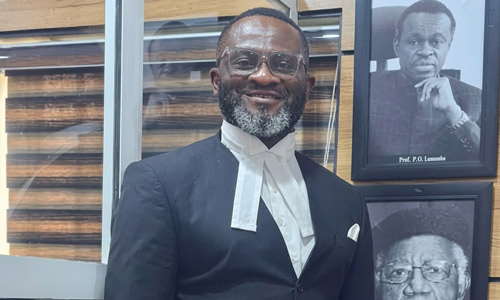
NJC Letter Emerges Amidst Imo Chief Judge Controversy
Fresh controversy has erupted in Imo State, Nigeria, concerning the Imo State Government’s ₦350 million financial support to the six branches of the Nigerian Bar Association (NBA) in the state, particularly following the emergence of a letter to the National Judicial Council (NJC) regarding the prolonged absence of a substantive Chief Judge.
This development carries significant legal and ethical implications for the judiciary, the legal profession, and governance in Imo State. The questioning of the timing and distribution of government funds to NBA branches, especially in the context of a leadership vacuum in the state judiciary, raises concerns about judicial independence, potential undue influence, and transparency in public financial management. For practitioners, it highlights the ethical considerations surrounding financial interactions between the Bar and the State, and the potential for such arrangements to be perceived as compromising the integrity of the legal system. The prolonged absence of a substantive Chief Judge also has administrative and judicial implications, potentially affecting the smooth functioning of the state's courts and the administration of justice.
The legal context involves several layers. Firstly, the role of the National Judicial Council (NJC) under the Nigerian Constitution (Third Schedule, Part I, Section 21) in recommending judicial appointments, exercising disciplinary control, and generally overseeing the judiciary, is central to the issue of a substantive Chief Judge. Secondly, the financial support raises questions under public procurement laws, anti-corruption statutes, and the NBA's own Rules of Professional Conduct, particularly regarding conflicts of interest and the appearance of impropriety. The powers and responsibilities of a state government in disbursing funds, and the accountability mechanisms for such disbursements, are also relevant. The absence of a substantive Chief Judge can impact court administration, assignment of cases, and the overall efficiency of the justice delivery system in the state, potentially leading to delays and uncertainty.
The key parties involved include the Imo State Government, the six branches of the Nigerian Bar Association in Imo State, Chinedu Agu (who raised the questions), and the National Judicial Council (NJC). The office of the Chief Judge of Imo State is also a central, albeit currently vacant, "party" in this controversy, as its prolonged vacancy is a significant aspect of the emerging questions. The wider legal community and the public in Imo State are also stakeholders, given the implications for justice delivery and public trust.
Attorneys in Imo State and across Nigeria should closely monitor the NJC's response to the letter concerning the Chief Judge vacancy, as well as any investigations or clarifications regarding the ₦350 million financial support. This situation underscores the importance of transparency and ethical conduct in all dealings between the Bar, the Bench, and the Executive. Practitioners should be mindful of the potential for perceived conflicts of interest when accepting financial support from government entities and ensure that such arrangements do not compromise the independence or public perception of the legal profession. The ongoing leadership vacuum in the state judiciary may also impact court processes and case management, requiring practitioners to adapt their strategies accordingly. The outcome of this matter is not yet reported.
How does this affect you?
Get an AI analysis of this article grounded in your jurisdictions, practice areas, and any policy documents you've uploaded to Wansom.
Finish Reading the Full Story and the Expert Analysis.
Wansom is AI and can make mistakes.