
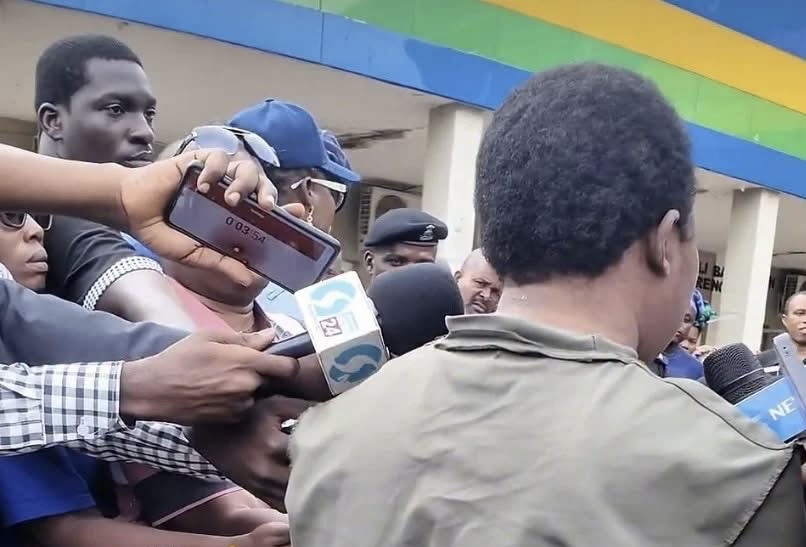
Nigeria Police: Baby Factory Child Trafficking Arrest Uncovers 15 Children Sold
Summary
- A suspect was arrested on Monday in Nigeria for alleged child trafficking activities.
- The individual reportedly confessed to selling her newborn twins for N300,000.
- She also admitted to stealing and selling at least 13 other children to operators of illegal "baby factories."
- This arrest highlights ongoing law enforcement efforts against child exploitation and human trafficking in Nigeria.
Arrest Highlights Ongoing Child Trafficking
The alleged confessions of the suspect, detailing the sale of her own twins and numerous other stolen children, underscore the profound moral and ethical breaches inherent in such criminal enterprises.
A recent police operation on Monday led to the arrest of a suspect implicated in extensive child trafficking activities, bringing renewed attention to the illicit "baby factory" phenomenon in Nigeria. The individual, whose identity has not been publicly disclosed in detail, is alleged to have made startling confessions regarding her involvement in these criminal enterprises.
According to reports, the suspect admitted to the sale of her own newborn twins, receiving N300,000 for them. Beyond her personal offspring, she also confessed to the abduction and subsequent sale of at least thirteen other children. These vulnerable minors were reportedly trafficked to various operators within the clandestine "baby industry," a term used to describe illegal facilities where babies are often bred or acquired for sale. This significant Nigeria baby factory child trafficking arrest highlights the ongoing efforts by authorities to dismantle such networks.
Legal Framework Against Baby Factory Operations
The illicit practice of "baby factory operations Nigeria" represents a grave form of human trafficking and child exploitation. These clandestine facilities, which are illegal under Nigerian law, typically involve the forced impregnation of young women or the acquisition of infants through theft or coercion, with the ultimate goal of selling the children for profit. The recent arrest underscores the persistent challenge these operations pose to public safety and child welfare across the nation.
Nigerian anti-trafficking efforts are robustly supported by specific legislation designed to combat such heinous crimes. The Trafficking in Persons (Prohibition) Enforcement and Administration Act, for instance, provides a comprehensive legal framework to prosecute individuals involved in human trafficking, including those who operate or facilitate "baby factories." The penalties for such offenses are severe, reflecting the profound societal harm caused by the exploitation of children. This legal stance aims to deter potential offenders and ensure that perpetrators face significant consequences for their actions, contributing to the broader fight against child exploitation Nigeria legal system is committed to upholding.
Why This Case Matters
This recent Nigeria baby factory child trafficking arrest serves as a stark reminder of the persistent and deeply troubling issue of child exploitation within the country. The alleged confessions of the suspect, detailing the sale of her own twins and numerous other stolen children, underscore the profound moral and ethical breaches inherent in such criminal enterprises. It highlights the extreme vulnerability of children and the lengths to which some individuals will go for illicit financial gain.
The ongoing nature of these "baby factory operations Nigeria" necessitates continuous and intensified Nigerian anti-trafficking efforts. While legal frameworks are in place, the prevalence of such cases indicates that significant challenges remain in their complete eradication. Effective human trafficking Nigeria prosecution is not merely about punishing offenders but also about disrupting the networks that facilitate these crimes and preventing future instances of child exploitation. This case reinforces the critical need for sustained vigilance from law enforcement, robust community intelligence, and public awareness campaigns to safeguard children and uphold the rule of child trafficking Nigeria law.
Practical Implications
This article highlights ongoing law enforcement efforts against child trafficking and 'baby factories' in Nigeria. Lawyers specializing in criminal defense should be aware of the severe penalties and public scrutiny associated with such cases, while human rights advocates can use this as evidence of persistent challenges in child protection. Compliance officers advising businesses in Nigeria should note the continued prevalence of such crimes, reinforcing the need for robust due diligence and ethical supply chain practices to avoid complicity or association with child exploitation.
Source
How does this affect you?
Get an AI analysis of this article grounded in your jurisdictions, practice areas, and any policy documents you've uploaded to Wansom.
Finish Reading the Full Story and the Expert Analysis.
Wansom is AI and can make mistakes.