
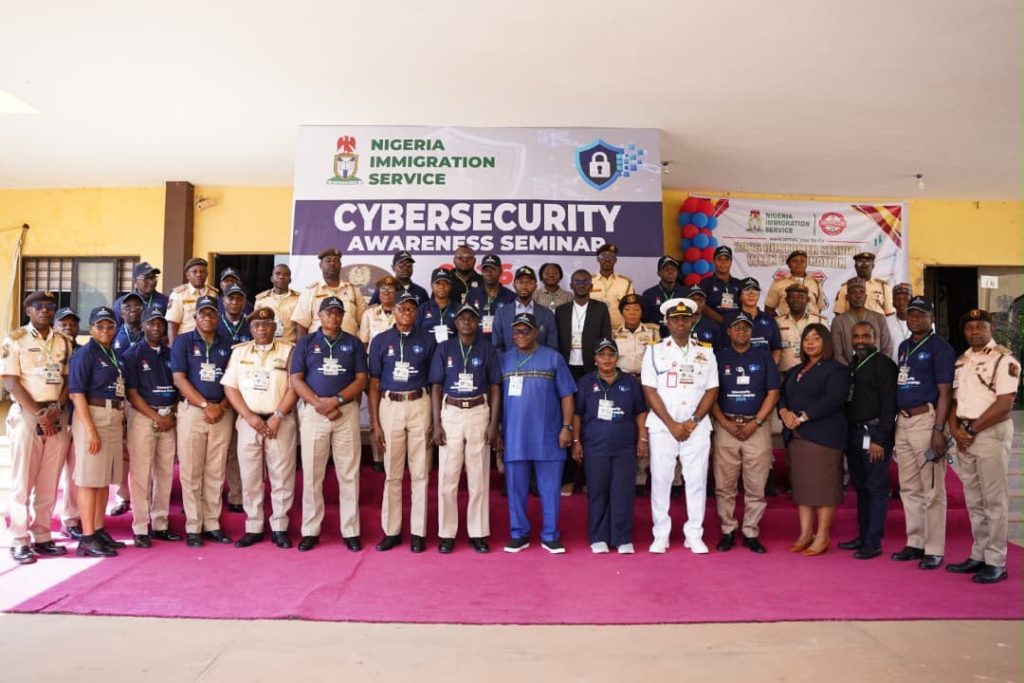
Nigeria Immigration Service: Kemi Nandap Directives on Efficiency
Summary
- Comptroller General Kemi Nanna Nandap has directed Nigeria Immigration Service personnel to eliminate unnecessary service delays.
- Personnel have also been ordered to promptly report any suspected cyber threats.
- These directives aim to ensure stronger customer service for the Nigerian public.
- The measures are also intended to achieve tighter digital security within the NIS.
- The directives signify a strategic focus on improving efficiency and protecting digital infrastructure.
A New Operational Mandate
The core of these directives focuses on two critical areas: the eradication of unnecessary delays in service provision and the immediate reporting of any suspected cyber threats.
The Nigeria Immigration Service (NIS) has recently seen its Comptroller General, Kemi Nanna Nandap, issue comprehensive directives aimed at significantly enhancing both operational efficiency and digital resilience. These instructions, disseminated to all personnel within the service, underscore a strategic pivot towards improved public engagement and robust security protocols. The core of these directives focuses on two critical areas: the eradication of unnecessary delays in service provision and the immediate reporting of any suspected cyber threats.
Strategic Imperatives for Service Excellence
These Kemi Nanna Nandap directives are not merely procedural adjustments but represent a strategic imperative to elevate the standard of Nigerian immigration customer service. By directly addressing the issue of delays, the NIS aims to foster greater public trust and facilitate smoother interactions across its various functions, from passport issuance to visa processing. The emphasis on efficiency is a direct response to the evolving expectations of a modern populace that demands prompt and reliable public services.
Furthermore, the directive concerning cyber threats highlights the critical importance of NIS digital security in an increasingly interconnected world. As government services migrate to digital platforms, the risk of cyberattacks grows, making proactive measures essential. The instruction for prompt reporting of such threats is a foundational step in establishing a resilient defense mechanism, ensuring the continuous protection of national security interests and the personal data of applicants against malicious actors and sophisticated cyberattacks.
Why These Directives Matter
The implications of these Nigeria Immigration Service Kemi Nandap directives extend across various stakeholders. For citizens and foreign nationals seeking immigration services, these changes promise a more efficient and less bureaucratic experience, potentially reducing wait times and improving overall satisfaction. The commitment to eliminating NIS service delivery delays is expected to translate into tangible benefits for all applicants, making immigration processes more predictable and user-friendly.
For legal professionals and businesses advising clients on Nigerian immigration matters, these directives signal a shift towards a more accountable and secure operational environment. The enhanced focus on reporting Nigeria Immigration cyber threats means that while efficiency improves, vigilance regarding digital interactions with the service will also be paramount. These measures collectively aim to fortify the NIS against modern challenges, ensuring both operational excellence and robust digital protection.
Practical Implications
Lawyers advising clients on Nigerian immigration matters should anticipate improved efficiency in service delivery from the NIS and counsel clients on enhanced vigilance regarding cyber security when engaging with immigration processes, given the Comptroller General's directives on eliminating delays and reporting cyber threats.
Source
How does this affect you?
Get an AI analysis of this article grounded in your jurisdictions, practice areas, and any policy documents you've uploaded to Wansom.
Finish Reading the Full Story and the Expert Analysis.
Wansom is AI and can make mistakes.