
Ninth Circuit: Blocks HUD Defunding LAHSA, Upholds Funding Injunction
Summary
- The Ninth Circuit Court of Appeals upheld an injunction blocking the Department of Housing and Urban Development from immediately suspending federal funding to the Los Angeles Homeless Services Authority.
- The court found HUD failed to provide a "satisfactory explanation" for its decision to remove LAHSA from the grant application process.
- This ruling ensures LAHSA will receive approved grant money and can continue applying for new funds before the critical October 14 deadline.
- The dispute originated from the Trump administration's HUD announcing a complete funding suspension in June due to accusations of waste, fraud, and abuse against LAHSA.
- The decision provides a temporary reprieve for LAHSA, an agency critical to addressing Los Angeles's ongoing homelessness crisis.
What Happened
This judicial intervention underscores the significant procedural hurdles federal agencies encounter when attempting to suspend or defund grant recipients, reinforcing the necessity for a "satisfactory explanation" and adherence to due process, particularly when essential public services are at stake.
The Ninth Circuit Court of Appeals recently upheld a federal injunction, effectively blocking the Department of Housing and Urban Development (HUD) from immediately suspending federal funding to the Los Angeles Homeless Services Authority (LAHSA). This significant decision by an appellate panel means that the Trump administration's effort to defund the agency, which provides critical services to the unhoused population in Los Angeles, cannot proceed without further justification. The ruling reinforces a lower court's finding that HUD had failed to provide a "satisfactory explanation" for its abrupt decision to remove LAHSA from the grant application process.
This judicial intervention ensures that all grant money previously approved by the federal agency must be disbursed to LAHSA. Furthermore, the authority retains its eligibility to apply for additional grant funding, particularly important as a critical October 14 deadline for applications rapidly approaches. The Ninth Circuit's decision to largely maintain the injunction provides a temporary reprieve for LAHSA, allowing its operations to continue while the broader legal dispute unfolds. Oral arguments on the merits of the preliminary injunction are scheduled to be heard by the appellate court next month, indicating that this federal funding dispute involving LAHSA is far from resolved.
Legal Context and Agency Powers
The Ninth Circuit's administrative law ruling underscored the procedural requirements federal agencies must meet when altering funding arrangements. While acknowledging HUD's legitimate "ability and duty to address the serious allegations of fraud and mismanagement levied against LAHSA," the three-judge panel found HUD's rationale for the suspension to be insufficient. Specifically, the court noted that HUD's "explanation for its decision" to suspend LAHSA during the FY2026 application cycle, especially after having approved LAHSA as the Los Angeles Continuum of Care’s Collaborative Applicant and being aware of alleged misconduct for years, "runs counter to the evidence before the agency."
This judicial scrutiny highlights the need for a robust and consistent justification from federal bodies when taking actions that impact grant recipients. The appellate panel, comprising U.S. Circuit Judges Roopali Desai (a Biden appointee), Jacqueline Nguyen (an Obama appointee), and Ryan Nelson (a Trump appointee), demonstrated a split in opinion, with Judge Nelson dissenting from the majority. Although the details of his dissent have not yet been made public, the majority's stance emphasizes that even in the face of serious allegations, agencies must adhere to due process and provide clear, evidence-backed explanations for their decisions, particularly when those decisions could disrupt essential public services.
The Broader Funding Dispute and Local Challenges
The origins of this federal funding dispute involving LAHSA trace back to June when the Trump administration's HUD announced a complete suspension of funding, including monies already promised. This drastic measure was taken amidst accusations of waste, fraud, and abuse within the Los Angeles Homeless Services Authority. Secretary Scott Turner articulated HUD's position, stating that the department would "fund results, not corrupt failure or the homeless industrial complex," and that "Taxpayers will no longer bankroll an organization that puts its own self-interests ahead of the Americans it was created to serve."
In response to this action, LAHSA initiated a lawsuit, alleging that the Trump administration was "favoring criminal enforcement, drug treatment, institutionalization and civil commitment of the mentally ill" over providing crucial shelter and mental health services. This legal challenge led U.S. District Judge David Carter to issue a preliminary injunction last month, compelling the federal government to continue funding LAHSA, at least temporarily, given the thousands of individuals who rely on its services. The agency has become a frequent target of criticism, often labeled a "popular scapegoat" for the city's persistent homelessness challenges. Los Angeles County recently unveiled plans to withdraw its annual $300 million contribution to LAHSA and establish its own agency, with the city reportedly considering a similar move, further complicating the Los Angeles Homeless Services Authority funding landscape.
Why It Matters
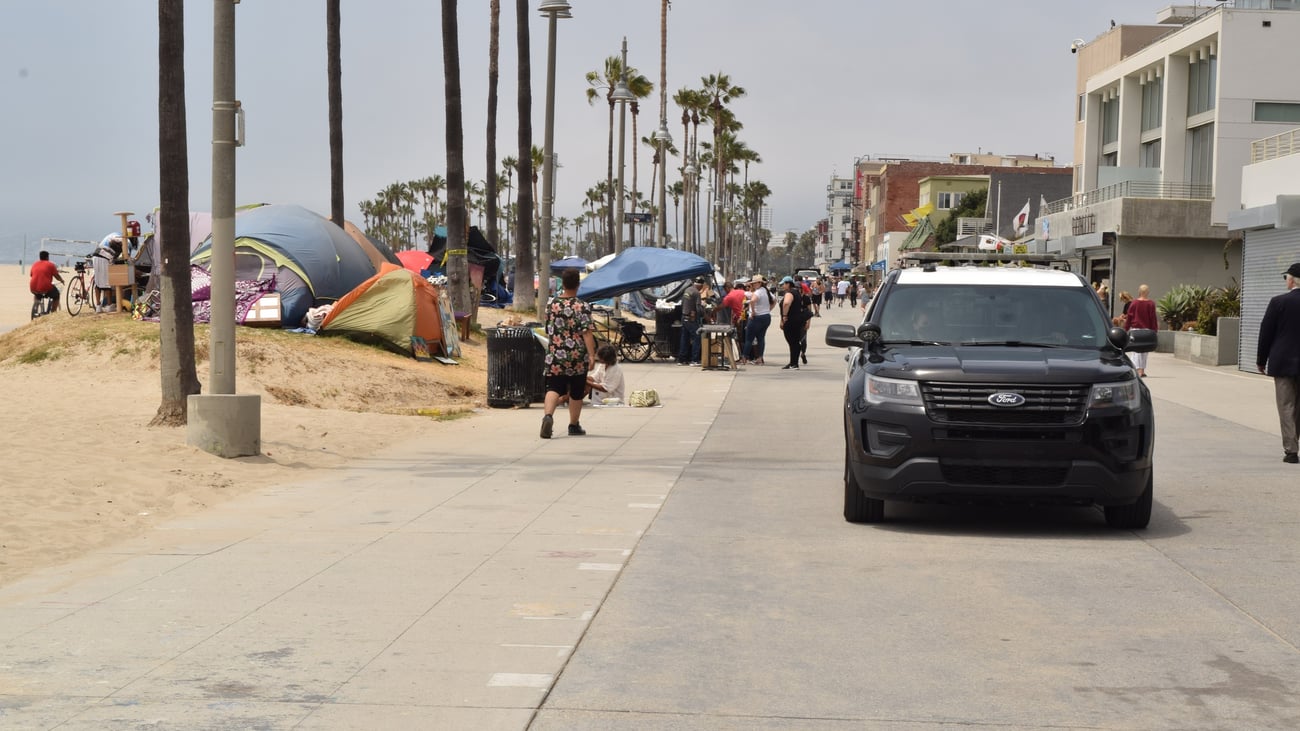
This ruling by the Ninth Circuit blocks HUD defunding LAHSA, providing a crucial lifeline for an agency at the forefront of Los Angeles's decades-long homelessness crisis. The region continues to grapple with a severe housing shortage and escalating living costs, contributing to a situation where approximately 75,000 individuals lived in cars, shelters, or on sidewalks across LA County by 2023. While the number of unhoused individuals had seen a two-year decline, it is now once again on the rise, despite billions of dollars invested in various housing solutions.
Stephanie Graves, Chair of the commission overseeing LAHSA, lauded the court's decision, emphasizing its immediate impact on vulnerable populations. She stated that "For the thousands of people experiencing homelessness or working to rebuild their lives, the systems and funding that connect them to housing and services cannot simply stop." Graves added that "Today’s decision allows that work to continue while the larger issues are resolved. Most importantly, it gives our region the opportunity to keep people housed, help more people find a path home, and give people hope.” The Department of Justice, however, declined to comment on the ruling. This judicial intervention underscores the significant procedural hurdles federal agencies encounter when attempting to suspend or defund grant recipients, reinforcing the necessity for a "satisfactory explanation" and adherence to due process, particularly when essential public services are at stake.
Practical Implications
This ruling reinforces the procedural hurdles federal agencies face when attempting to suspend or defund grant recipients, emphasizing the need for a 'satisfactory explanation' and due process. Lawyers advising entities receiving federal funds should note this precedent regarding agency powers and the potential for judicial review of funding decisions.
Source
How does this affect you?
Get an AI analysis of this article grounded in your jurisdictions, practice areas, and any policy documents you've uploaded to Wansom.
Finish Reading the Full Story and the Expert Analysis.
Get the latest legal & regulatory intelligence in United States
Wansom is AI and can make mistakes.