
NASS: Proposes Constitutional Amendment for Women Special Seats
Summary
- The 10th National Assembly is committed to increasing women's participation in governance.
- This commitment is being pursued through a proposed constitutional amendment.
- The amendment seeks to establish special seats for women in the National and State Houses of Assembly.
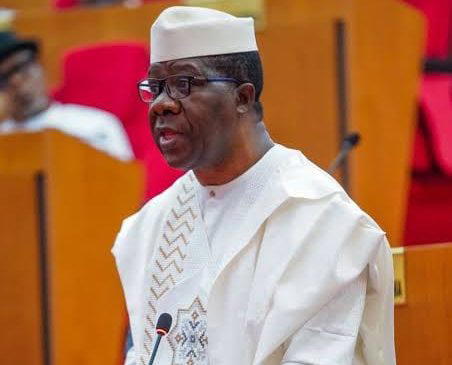
- Senate Leader Opeyemi Bamidele announced this legislative initiative.
- The proposal aims to remove existing barriers limiting women's political involvement.
What Happened
Lawyers specializing in constitutional law, human rights, or electoral law in Nigeria should closely monitor the legislative progress of this proposed constitutional amendment.
Senator Opeyemi Bamidele, who serves as the Senate Leader and represents the Ekiti Central Senatorial District, recently affirmed the 10th National Assembly's dedication to dismantling obstacles that hinder women's involvement in governance. This commitment is being channeled through a proposed constitutional amendment, a significant legislative undertaking designed to create designated positions for women within both the National and State Houses of Assembly. The initiative underscores a proactive stance by the federal legislature to address long-standing disparities in political representation.
The proposed legislation, championed by the Senate Leader, specifically targets the establishment of "special seats for women Nigeria" across all levels of legislative bodies. This move is intended to directly enhance "Nigeria National Assembly women" representation and ensure a more equitable gender balance in decision-making processes. Bamidele's statement highlights a clear legislative agenda aimed at fostering greater inclusivity within the country's political landscape.
Legislative Context and Intent
The pursuit of a "NASS constitutional amendment women special seats" represents a profound legal and political endeavor. Amending the constitution is a rigorous process, signifying a deep-seated intent to fundamentally alter the nation's governance structure to promote "gender equality legislation Nigeria". This specific proposal aims to institutionalize mechanisms that guarantee a minimum level of female representation, thereby moving beyond aspirational goals to concrete legislative action.
This legislative push is framed as a direct response to historical underrepresentation, seeking to remove systemic barriers that have limited "Opeyemi Bamidele women's participation" in political office. By enshrining "special seats for women Nigeria" within the constitution, the National Assembly aims to create a durable framework that supports increased female engagement, ensuring that women's voices are more prominently heard and considered in policy formulation and national development.
Broader Implications for Governance
The potential passage of this "constitutional amendment Nigeria gender" initiative carries substantial implications for the nation's legal and political architecture. Lawyers specializing in constitutional law, human rights, or electoral law in Nigeria should closely monitor the legislative progress of this proposed constitutional amendment. Its enactment would fundamentally reshape existing political representation frameworks, introducing a new dimension to electoral processes and potentially influencing future electoral disputes.
Furthermore, the establishment of "special seats for women Nigeria" would necessitate a re-evaluation of advocacy strategies for gender equality and could significantly impact the interpretation of gender equality provisions within the Nigerian legal landscape. This legislative development is not merely about increasing numbers; it is about embedding a principle of equitable representation into the highest law of the land, thereby fostering a more inclusive and representative democracy. The commitment to this amendment signals a critical step towards achieving greater gender parity in governance.
Practical Implications
Lawyers specializing in constitutional law, human rights, or electoral law in Nigeria should closely monitor the legislative progress of this proposed constitutional amendment. Its passage would significantly alter political representation frameworks, potentially impacting future electoral disputes, advocacy strategies, and the interpretation of gender equality provisions within the Nigerian legal landscape.
Source
How does this affect you?
Get an AI analysis of this article grounded in your jurisdictions, practice areas, and any policy documents you've uploaded to Wansom.
Wansom is AI and can make mistakes.