
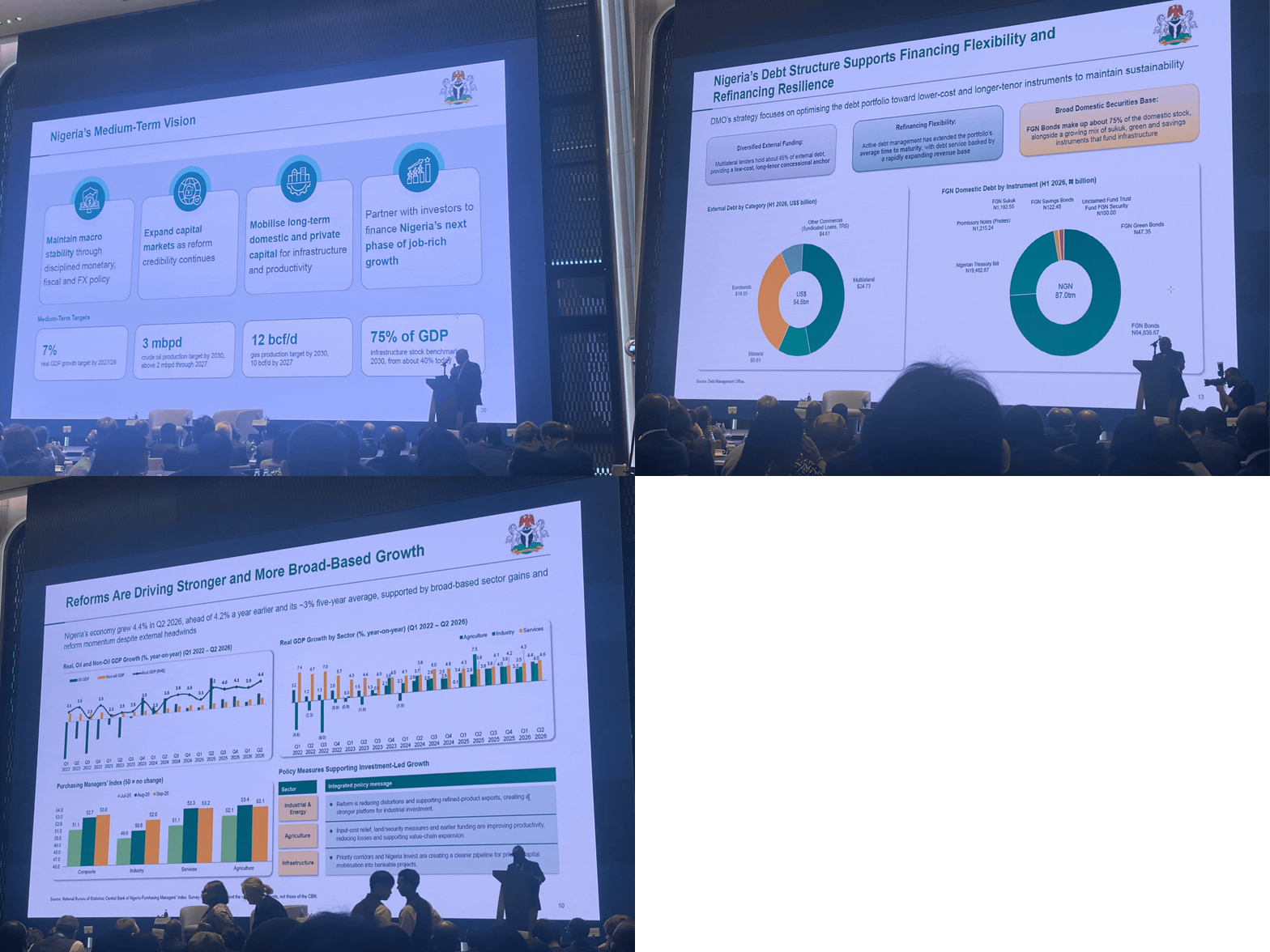
Nigerian Government Unveils 5 Fiscal Reforms to Attract Investors
The Nigerian government recently introduced "five big fiscal reforms" aimed at attracting investors and fostering economic growth, acknowledging the current difficulty in accessing crucial fiscal data such as the tax-to-GDP ratio.
This announcement holds significant implications for Nigeria's economic landscape, signaling a proactive governmental effort to address long-standing issues of fiscal transparency and investor confidence. For legal practitioners, particularly those in corporate, finance, and international investment law, these reforms could streamline business operations, clarify tax obligations, and enhance the predictability of the regulatory environment, potentially leading to increased foreign direct investment. The explicit recognition of data accessibility challenges suggests a commitment to improving the ease of doing business, which is a critical factor for both domestic and international investors. The success of these reforms will depend on their effective implementation and the government's sustained commitment to transparency.
While the excerpt does not detail the specific "five big fiscal reforms," such initiatives typically involve amendments to existing tax laws (e.g., Companies Income Tax Act, Value Added Tax Act, Petroleum Industry Act), customs and excise duties, and potentially new legislation or regulations aimed at improving fiscal governance and data management. These reforms are usually driven by the Ministry of Finance, Budget and National Planning, in collaboration with agencies like the Federal Inland Revenue Service (FIRS) and the Nigeria Customs Service. The overarching goal is often to align Nigeria's fiscal policies with international best practices, attract capital, and diversify the economy. The challenge of data availability, as highlighted, points to potential reforms in data collection, aggregation, and dissemination practices, possibly involving new directives or statutory requirements for government agencies to publish fiscal information regularly and accessibly. The specific legal instruments underpinning these reforms are not yet reported.
The primary party is the Nigerian government, specifically its economic and finance ministries and agencies responsible for fiscal policy and revenue generation. The "investors" are the target audience for these reforms, both domestic and international. Premium Times Nigeria is the source reporting on this policy announcement. The excerpt also implicitly references "people" who have raised concerns about data availability, representing the broader business community and economic analysts.
Attorneys advising businesses, particularly those looking to invest in or expand operations within Nigeria, should closely monitor the detailed rollout of these "five big fiscal reforms." Understanding the specific changes to tax laws, regulatory frameworks, and data accessibility initiatives will be crucial for advising clients on compliance, risk assessment, and investment strategies. Practitioners should anticipate potential legislative amendments, new regulations, and policy guidelines that will define the scope and impact of these reforms. Engaging with relevant government agencies and staying abreast of official pronouncements will be essential to navigate the evolving fiscal landscape and leverage new opportunities for clients. The emphasis on data availability suggests that future due diligence processes might become more straightforward, but practitioners should verify the actual implementation of improved data access.
How does this affect you?
Get an AI analysis of this article grounded in your jurisdictions, practice areas, and any policy documents you've uploaded to Wansom.
Finish Reading the Full Story and the Expert Analysis.
Get the latest legal & regulatory intelligence in Nigeria
Wansom is AI and can make mistakes.