
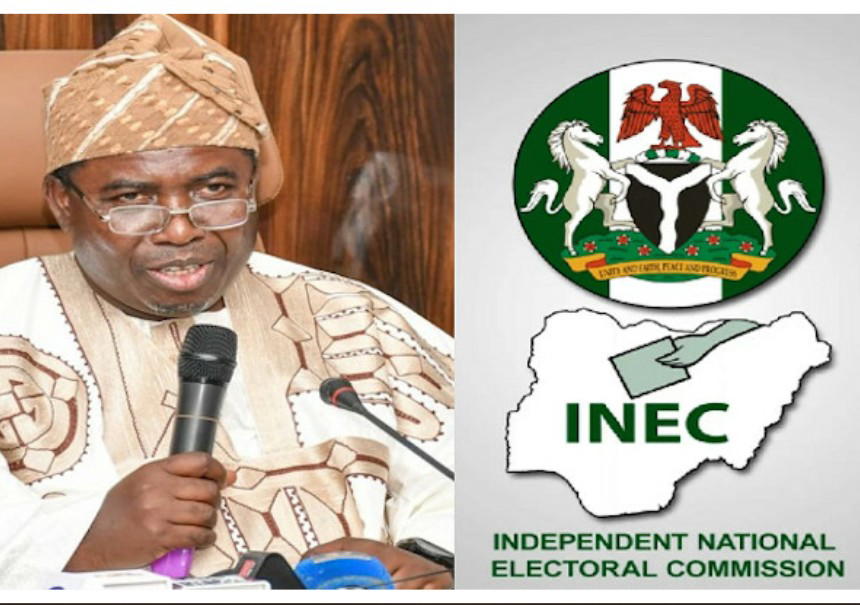
Nigeria Supreme Court: IREV Not Collation System, Clarifies Legal Status
Summary
- The Supreme Court of Nigeria has clarified the legal status of the IREV portal.
- IREV is designated as a public viewing tool, not a legal collation system.
- This ruling was made under the framework of the Electoral Act 2022.
- IREV data alone cannot be used to invalidate an election result.
- Legal challenges must focus on primary collation documents and processes, not just IREV discrepancies.
What Happened
Lawyers advising on election petitions in Nigeria must now recognize that the Supreme Court has clarified IREV's role as a public viewing tool, not a legal collation system.
The Supreme Court of Nigeria issued a significant ruling on October 26, 2023, clarifying the legal status of the Independent National Electoral Commission (INEC) Result Viewing Portal, commonly known as IREV. This decision, made in the context of the then-applicable Electoral Act 2022, establishes a clear distinction between IREV's function as a public information resource and its role within the formal election results collation process. The apex court's pronouncement is crucial for understanding the evidentiary weight of IREV data in future electoral disputes.
Specifically, the Supreme Court determined that the IREV platform serves primarily as a public viewing tool. This designation means its purpose is to offer transparency and allow the public to observe election results as they are uploaded. However, the court explicitly stated that IREV does not constitute a legal collation system in itself. This distinction is fundamental, as it delineates the portal's operational role from the legally mandated procedures for aggregating and verifying votes.
Legal Context of IREV
The Electoral Act 2022 introduced various provisions aimed at enhancing the credibility and transparency of Nigeria's electoral process, including the operationalization of the IREV public viewing tool. While the portal was designed to provide real-time access to polling unit results, the Supreme Court's IREV ruling has now precisely defined its legal standing within the broader framework of election results collation. This clarification is vital for all stakeholders, from political parties to legal practitioners and the general public, who rely on official election information.
The Supreme Court's decision underscores that the official Nigeria election results collation follows a distinct, multi-tiered process, which involves physical documentation and verification at various levels, from polling units to the national collation center. The IREV platform, while valuable for public oversight, is not integrated into this formal legal chain of collation. Therefore, any discrepancies observed on the IREV portal do not automatically equate to a failure in the legally recognized collation process, nor do they inherently invalidate election outcomes.
Implications for Election Petitions
The Supreme Court IREV decision carries substantial implications for the landscape of election petitions in Nigeria. A key takeaway from the ruling is that the IREV public viewing tool cannot, by itself, serve as a standalone basis to invalidate an election. This means that legal challenges to election results must look beyond mere discrepancies on the IREV portal and focus on the primary documents and processes involved in the official collation.
Lawyers advising on election petitions in Nigeria must now recognize that the Supreme Court has clarified IREV's role as a public viewing tool, not a legal collation system. Consequently, relying solely on IREV data to challenge election results will likely be insufficient. Petitioners are expected to present evidence derived from the legally recognized collation documents, such as certified true copies of result sheets (Forms EC8A, EC8B, etc.), and demonstrate how irregularities in the collation process itself affected the election's outcome. This ruling reinforces the importance of meticulous documentation and adherence to established legal procedures in electoral disputes concerning the Nigeria Supreme Court IREV legal status.
Practical Implications
Lawyers advising on election petitions in Nigeria must note that the Supreme Court has clarified IREV's role as a public viewing tool, not a legal collation system. This means IREV data alone cannot invalidate election results, requiring legal challenges to focus on primary collation documents and processes rather than solely relying on IREV discrepancies.
Source
How does this affect you?
Get an AI analysis of this article grounded in your jurisdictions, practice areas, and any policy documents you've uploaded to Wansom.
Finish Reading the Full Story and the Expert Analysis.
Get the latest legal & regulatory intelligence in Nigeria
Wansom is AI and can make mistakes.