
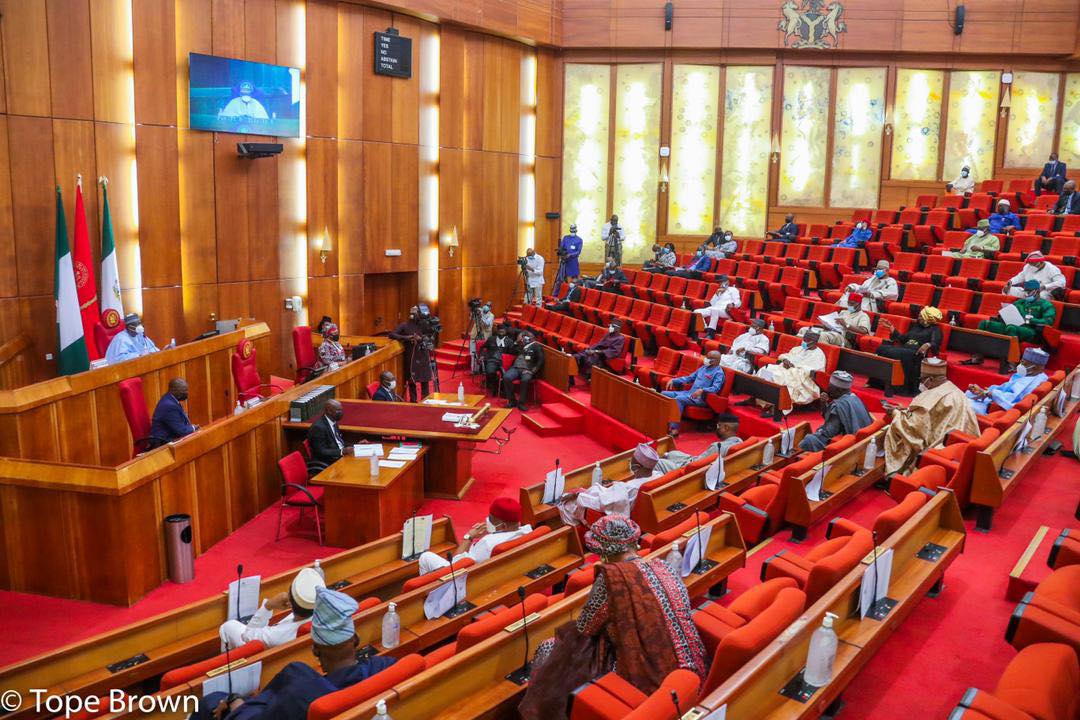
Nigeria Senate Clears NHRC Governing Board Nominees
Summary
- A Senate panel has screened and cleared 16 nominees for the governing board of the National Human Rights Commission, with final confirmation pending by the full Senate.
- The president of the Nigerian Guild of Editors, Eze Anaba, is among the cleared individuals.
- Lawmakers urged the nominees to demonstrate integrity, patriotism, and commitment to the national interest.
- The clearance enables the NHRC to fully constitute its board and set its strategic direction, once confirmed.
- This development is expected to impact human rights enforcement, investigations, and policy recommendations in Nigeria.
Senate Confirms NHRC Board Nominees
For legal practitioners and compliance officers, this development signals a potentially evolving environment.
A Senate panel has screened and cleared 16 individuals, including the president of the Nigerian Guild of Editors (NGE), Eze Anaba, for appointment to the governing board of the National Human Rights Commission (NHRC). Their appointments are awaiting final confirmation by the full Senate. This significant development includes the clearance of Eze Anaba, the current president of the Nigerian Guild of Editors (NGE), among the nominees. The legislative body's endorsement by the committee paves the way for these individuals to potentially assume their roles in overseeing the nation's primary human rights institution, pending full Senate approval.
During the clearance process, lawmakers conveyed a clear expectation to the prospective board members. They specifically urged all nominees to exemplify unwavering integrity, profound patriotism, and a steadfast commitment to the broader national interest as they prepare to undertake their responsibilities within the commission. This directive underscores the gravity and public trust associated with their impending duties.
The NHRC's Mandate and Board's Importance
The National Human Rights Commission (NHRC) serves as a pivotal institution within Nigeria's governance framework, tasked with the crucial responsibility of promoting, protecting, and enforcing human rights across the country. Its mandate encompasses investigating alleged human rights violations, providing redress to victims, and advising the government on human rights policies and legislation. For the commission to effectively discharge these extensive duties, a fully constituted and functional governing board is indispensable.
The governing board is central to the NHRC's operational efficacy, responsible for setting the strategic direction, formulating policies, and ensuring the commission adheres to its statutory objectives. Without a complete board, the NHRC's capacity to initiate new programs, conduct comprehensive investigations, or issue definitive policy recommendations can be significantly hampered. The recent clearance of these nominees by the Senate panel therefore represents a critical step towards empowering the commission to operate at its full potential, ensuring robust oversight and strategic leadership for its vital human rights work.
Broader Implications for Human Rights Enforcement
The potential confirmation of the NHRC's governing board members carries substantial implications for the landscape of human rights enforcement and compliance in Nigeria. With a complete board now poised to guide its operations, the commission is expected to gain renewed impetus in its efforts to address human rights issues, conduct thorough investigations into reported abuses, and advocate for policy reforms that align with national and international human rights standards. This enhanced capacity could lead to more proactive engagement on critical human rights matters.
For legal practitioners and compliance officers, this development signals a potentially evolving environment. A fully functional NHRC, with its strategic direction firmly established by the new board, may intensify its focus on specific areas of human rights, influencing the scope and nature of future investigations. This could, in turn, impact the litigation landscape, potentially leading to new precedents or increased scrutiny in areas such as corporate social responsibility, labor rights, and due process, necessitating a vigilant approach to compliance strategies.
Practical Implications
Lawyers and compliance officers should note the confirmation of the NHRC governing board, as its full constitution will enable the commission to set its strategic direction and priorities, potentially impacting human rights enforcement, investigations, and policy recommendations in Nigeria. This could influence future litigation and compliance landscapes.
Source
How does this affect you?
Get an AI analysis of this article grounded in your jurisdictions, practice areas, and any policy documents you've uploaded to Wansom.
Finish Reading the Full Story and the Expert Analysis.
Wansom is AI and can make mistakes.