
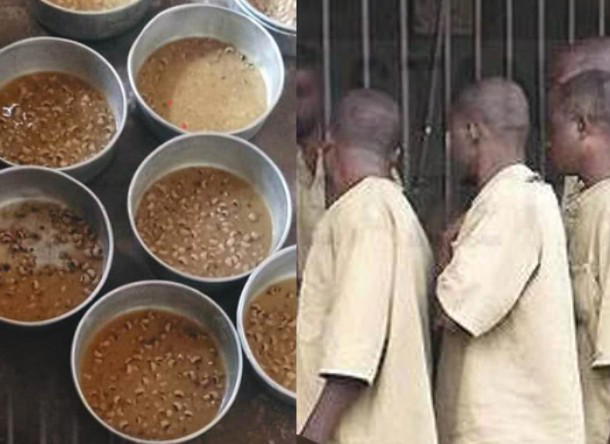
Kirikiri Correctional Centre: Nigeria Prison Feeding Crisis Continues
Summary
- The Kirikiri Correctional Centre in Lagos has been plagued by a feeding crisis that has lasted for three years.
- Prisoners like Mike Okoroafor have resorted to finding alternative food sources or going hungry due to inadequate nutrition.
- Malnutrition and related health issues can impact an individual's ability to stand trial or serve their sentence effectively.
- The Nigerian prison system faces criticism over the inadequate provision of food and water, violating prisoners' basic human rights.
What Happened
The feeding crisis in Nigeria's correctional centres is a pressing concern that warrants attention from legal professionals advising clients on matters related to these facilities.
Mike Okoroafor, a prisoner at the Kirikiri Correctional Centre in Lagos, spent three years navigating a daily struggle for sustenance. The centre's feeding crisis had become so severe that inmates like Okoroafor were forced to rely on alternative sources of food or risk going hungry. This situation is not unique to Okoroafor; many prisoners within the Nigerian correctional system face similar challenges in accessing adequate nutrition. The consequences of this malnutrition can be far-reaching, affecting not only the physical health but also the mental well-being of inmates.
Legal Context
The feeding crisis in Nigeria's correctional centres is a pressing concern that warrants attention from legal professionals advising clients on matters related to these facilities. The potential for malnutrition and related health issues can impact an individual's ability to stand trial or serve their sentence effectively. This raises questions about the responsibility of correctional centre management to provide adequate nutrition for inmates, as well as the role of lawyers in advocating for their clients' rights within this context. In Nigeria, the Nigerian Correctional Service Act 2019 and the Administration of Criminal Justice Act 2015 provide some guidelines for the treatment and care of prisoners, but these laws may not be sufficient to address the scale of the feeding crisis.
Why It Matters
The feeding crisis in Nigeria's correctional centres is a symptom of deeper issues within the country's prison system. The inadequate provision of food and water can lead to malnutrition, which in turn exacerbates existing health problems and increases the risk of infectious diseases. This not only violates prisoners' basic human rights but also undermines their ability to participate fully in the justice process. As lawyers advising clients on matters related to Nigerian correctional centres, it is essential to be aware of these issues and advocate for improvements in the treatment and care of inmates.
Practical Implications
Lawyers advising clients on matters related to Nigerian correctional centres should be aware of the potential for malnutrition and related health issues, which could impact their clients' ability to stand trial or serve sentences effectively.
Source
How does this affect you?
Get an AI analysis of this article grounded in your jurisdictions, practice areas, and any policy documents you've uploaded to Wansom.
Wansom is AI and can make mistakes.