
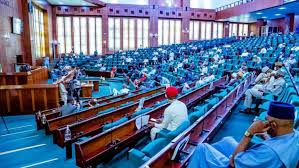
Nigeria Reps Probe Ebola Preparedness Amid NCoS Funding Plea
Summary
- The House of Representatives has initiated an assessment of Nigeria's preparedness against the Ebola Virus Disease.
- The Nigerian Correctional Service (NCoS) has requested dedicated emergency funding, medical equipment, and improved healthcare facilities.
- Controller-General Sylvester Nwakuche made this call to prevent a potential Ebola outbreak in custodial centers.
- The NCoS's request highlights the vulnerability of prisons to infectious diseases and the need for enhanced resources.
- The legislative probe and NCoS appeal collectively emphasize a national focus on public health security.
Legislative Action and Urgent Appeals
The concurrent actions of the House of Representatives and the Nigerian Correctional Service underscore a critical national focus on preventing a public health crisis, particularly within vulnerable populations housed in correctional facilities.
Nigeria's House of Representatives has initiated a comprehensive assessment of the nation's readiness to combat the Ebola Virus Disease. This legislative inquiry signals a proactive stance by federal lawmakers to evaluate existing public health infrastructure and protocols in the face of potential health threats.
Concurrently with the House's probe into Ebola preparedness, the Nigerian Correctional Service (NCoS) has issued an urgent appeal for critical resources. The NCoS specifically requested dedicated emergency funding, essential medical equipment, and significant improvements to healthcare facilities across all custodial centers nationwide.
The primary objective behind the Nigerian Correctional Service's plea is to avert a potential outbreak of the Ebola virus disease within the country's prison system. This call for enhanced support was formally made by Sylvester Nwakuche, the Controller-General of Corrections, highlighting the specific vulnerabilities of correctional facilities to infectious diseases.
The Role of House of Representatives Health Oversight
The commencement of an assessment by the House of Representatives regarding Nigeria's preparedness against the Ebola Virus Disease underscores the critical function of legislative oversight in national health security. This action reflects a commitment by the federal government to scrutinize the country's capacity to respond to severe public health emergencies, ensuring that preventative measures and response mechanisms are robust.
Such legislative probes are vital for identifying gaps in public health infrastructure and policy, particularly concerning highly contagious and deadly diseases like Ebola. By undertaking this assessment, the House aims to ensure that all necessary precautions are in place to protect the populace and prevent a widespread health crisis.
This initiative by the House of Representatives is a key component of its broader health oversight responsibilities, aiming to safeguard public welfare through diligent monitoring and evaluation of national health strategies and resource allocation.
Vulnerability of Correctional Facilities
The request from the Nigerian Correctional Service for dedicated emergency funding, medical equipment, and improved healthcare facilities highlights the inherent vulnerabilities of custodial centers to disease outbreaks. Confined environments, often characterized by close proximity and sometimes inadequate sanitation, present ideal conditions for the rapid transmission of infectious agents such as the Ebola virus disease.
Controller-General Sylvester Nwakuche's appeal for enhanced prison healthcare funding Nigeria is a direct acknowledgment of these risks. Without sufficient resources, including modern medical equipment and upgraded facilities, the NCoS faces significant challenges in implementing effective containment and treatment protocols should an outbreak occur within its institutions.
Ensuring robust health provisions in correctional facilities is not only a matter of inmate welfare but also a crucial public health concern, as an uncontrolled outbreak in prisons could quickly spread to the wider community. The Nigerian Correctional Service emergency funding request is therefore a strategic move to bolster national biosecurity.
Why Enhanced Preparedness is Crucial
The concurrent actions of the House of Representatives and the Nigerian Correctional Service underscore a critical national focus on preventing a public health crisis, particularly within vulnerable populations housed in correctional facilities. The potential for the Ebola Virus Disease to devastate communities necessitates a multi-faceted approach to preparedness, encompassing legislative scrutiny and practical resource allocation.
Effective prevention within prisons requires more than just a reactive response; it demands proactive investment in infrastructure and medical supplies. The NCoS's call for specific funding and equipment is a testament to the understanding that early intervention and robust health systems are paramount to containing such a severe disease.
Ultimately, the ongoing assessment by the Nigeria Reps probe Ebola preparedness, coupled with the urgent needs articulated by the NCoS, illustrates a concerted effort to fortify the nation's defenses against a significant health threat. The outcome of these efforts will be crucial in determining Nigeria's resilience against future disease outbreaks.
Practical Implications
Lawyers advising correctional facilities or representing inmates should monitor legislative actions and funding allocations related to public health in prisons, as this could impact compliance requirements, liability for inmate health, and the standard of care for detainees.
Source
How does this affect you?
Get an AI analysis of this article grounded in your jurisdictions, practice areas, and any policy documents you've uploaded to Wansom.
Wansom is AI and can make mistakes.