
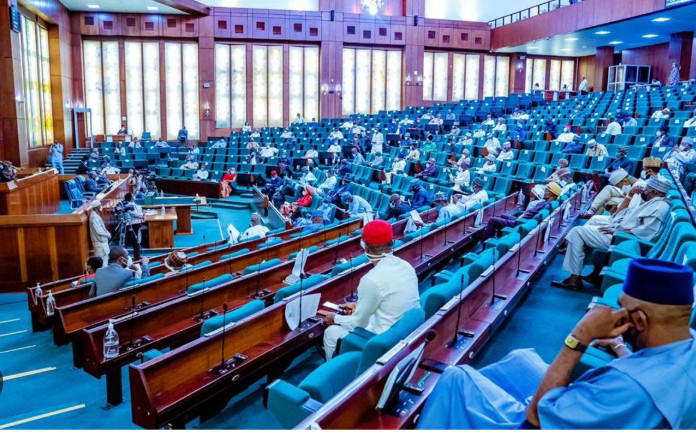
Nigeria Reps: NNPCL PIA Implementation Critical for Reforms
Summary
- The Nigerian House of Representatives has called for enhanced accountability in the petroleum sector.
- Lawmakers warned that poor implementation of the Petroleum Industry Act (PIA) could undermine intended industry reforms.
- The House specifically demanded greater accountability from the Nigerian National Petroleum Company Limited (NNPCL).
- Success of the reforms, according to the House, depends on transparency, institutional discipline, and responsible corporate governance.
What Happened
The House underscored that the ultimate success of the comprehensive reforms envisioned by the PIA is inextricably linked to several foundational principles.
The Nigerian House of Representatives has recently emphasized the critical need for enhanced accountability within the nation's vital petroleum sector. Lawmakers issued a stern caution, indicating that any deficiencies in the execution of the Petroleum Industry Act (PIA) could severely jeopardize the transformative objectives it was designed to achieve for the industry. Such poor implementation, they warned, risks negating the very purpose of the comprehensive Nigerian petroleum sector reforms, potentially leading to continued inefficiencies and a lack of public trust. This legislative body specifically called for greater accountability from the Nigerian National Petroleum Company Limited (NNPCL).
The House underscored that the ultimate success of the comprehensive reforms envisioned by the PIA is inextricably linked to several foundational principles. These include unwavering transparency in operations, stringent institutional discipline across all entities, and the steadfast application of responsible corporate governance practices. Without these pillars, the legislative body warned, the ambitious goals set forth for the Nigerian petroleum sector reforms risk being undermined, thereby failing to deliver the expected benefits to the country.
Legal and Regulatory Context
The Petroleum Industry Act (PIA) represents a landmark legislative effort aimed at overhauling Nigeria's oil and gas industry, introducing new regulatory frameworks, fiscal regimes, and governance structures. The House of Representatives' recent pronouncements directly address the ongoing implementation of this pivotal legislation, highlighting potential PIA implementation challenges Nigeria faces. Their focus on NNPCL accountability House Representatives indicates a clear intent to ensure that the primary state-owned entity adheres strictly to the spirit and letter of the law.
The legislative body's insistence on transparency, institutional discipline, and sound corporate governance is not merely a general appeal but a direct reflection of the core tenets embedded within the Petroleum Industry Act Nigeria. The PIA was crafted to foster a more efficient, transparent, and globally competitive industry. Therefore, the House's warning serves as a reminder that the efficacy of these reforms hinges on diligent and principled execution by all stakeholders, particularly the NNPCL.
Why It Matters
The strong stance taken by the House of Representatives carries significant weight for the future trajectory of Nigeria's petroleum sector reforms and the operational integrity of the NNPCL. This legislative scrutiny signals that the implementation of the PIA will be closely monitored, with a particular emphasis on how the NNPCL, as a key player, upholds its responsibilities. The call for robust corporate governance NNPCL is crucial for building investor confidence and ensuring that the benefits of the reforms accrue to the nation, rather than being lost to inefficiency or malfeasance.
Failure to address the concerns raised by the House regarding transparency and discipline could lead to a perception of continued systemic issues, potentially deterring investment and hindering the full realization of the PIA's economic potential. The legislative body's warning underscores that the transformation of the industry is not just about new laws but about the rigorous and ethical application of those laws. This ongoing oversight by the Nigeria Reps NNPCL PIA implementation efforts will be a defining factor in shaping the industry's landscape for years to come, demanding proactive measures from the NNPCL to demonstrate its commitment to the reform agenda.
Practical Implications
Lawyers advising clients in Nigeria's petroleum sector should anticipate increased legislative scrutiny on NNPCL operations and the implementation of the Petroleum Industry Act, potentially leading to new compliance requirements or enforcement actions. Compliance officers must ensure their organizations' governance frameworks align with calls for greater transparency and institutional discipline to mitigate future regulatory risks.
Source
How does this affect you?
Get an AI analysis of this article grounded in your jurisdictions, practice areas, and any policy documents you've uploaded to Wansom.
Finish Reading the Full Story and the Expert Analysis.
Get the latest legal & regulatory intelligence in Nigeria
Wansom is AI and can make mistakes.