
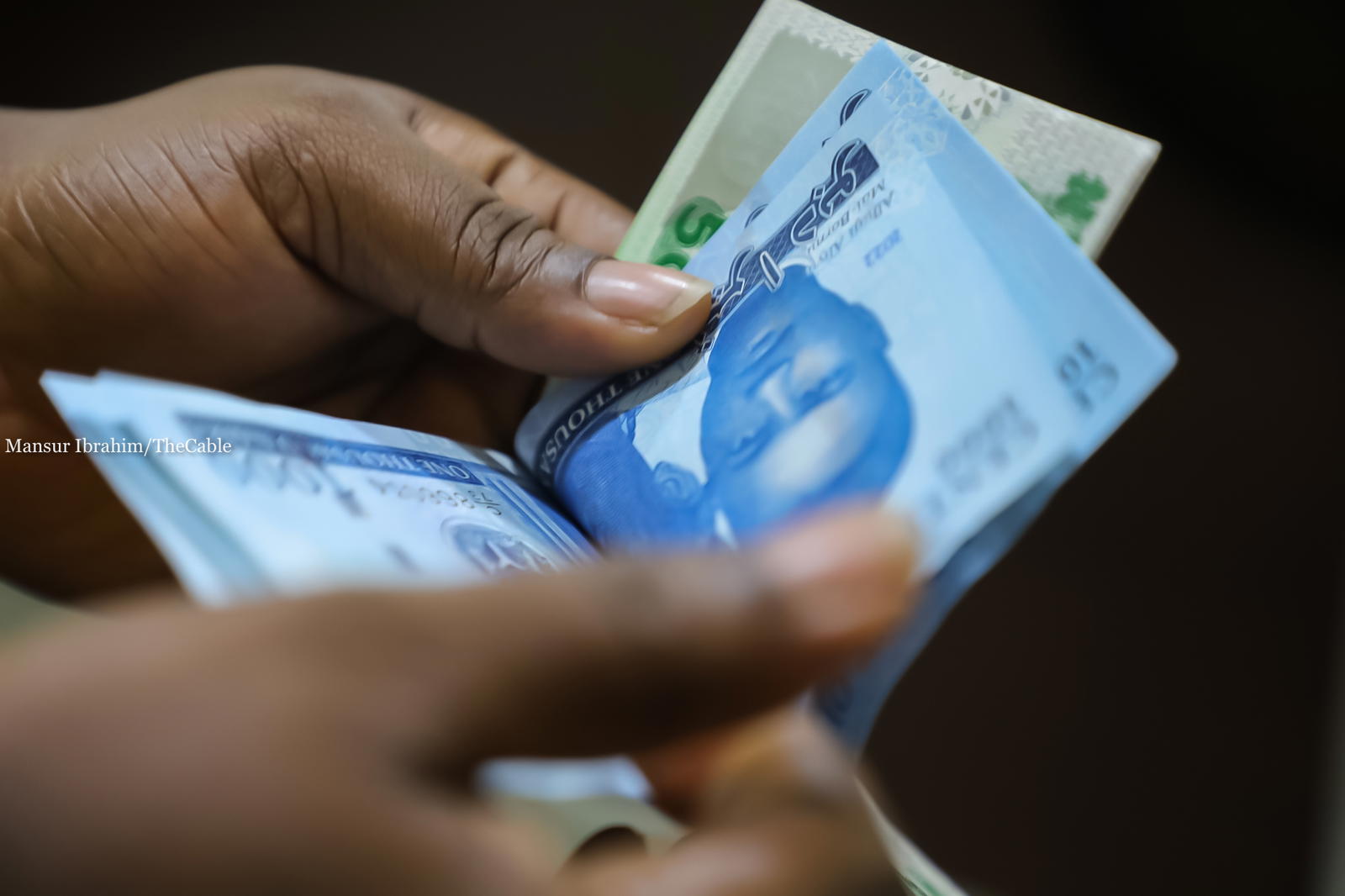
Nigeria: N33.75bn Ghost Beneficiaries Cash Transfer Fraud
Summary
- A N33.75 billion cash transfer program in Nigeria is embroiled in controversy over alleged fraud.
- Funds intended for poverty alleviation are suspected of being diverted to "ghost beneficiaries" and public servants.
- The alleged fraud is described as neither new nor stopped, indicating systemic and ongoing issues.
- Doubts persist regarding whether the billions in benefits ever reached poor Nigerians.
- The scandal highlights significant concerns about public funds diversion and Nigerian social welfare program corruption.
Allegations of Widespread Cash Transfer Fraud
The N33.75 billion cash transfer scandal is not an isolated incident, with reports indicating that this type of fraud is neither new nor has it ceased.
A significant financial controversy has emerged in Nigeria, centering on the alleged diversion of N33.75 billion earmarked for poverty alleviation programs. This substantial sum, intended for direct cash transfers to vulnerable citizens, is reportedly entangled in a scheme involving "ghost beneficiaries" and public servants. The scandal has ignited national debate and raised serious questions about the integrity of social welfare initiatives designed to support the nation's poor.
The core of the issue lies in doubts surrounding whether these billions in benefits ever reached their intended recipients. Instead, the funds are suspected to have been siphoned off through what are described as well-oiled and entrenched mechanisms, leading to their transfer into the personal accounts of government officials. This alleged public funds diversion Nigeria highlights a persistent challenge in ensuring that aid reaches those most in need.
Systemic Corruption and Ongoing Concerns
The N33.75 billion cash transfer scandal is not an isolated incident, with reports indicating that this type of fraud is neither new nor has it ceased. The mechanisms facilitating the alleged misappropriation of funds are described as deeply rooted, suggesting a systemic issue within the administration of public resources. This pattern of alleged corruption, particularly within programs designed for poverty alleviation, continues to be a pressing concern, with the illicit transfer of funds reportedly ongoing even today. The N33.75 billion transfer controversy, which is currently a national issue, is reported to have not stopped in 2026 and continues to date.
The persistent nature of such schemes underscores a broader problem of Nigerian social welfare program corruption. The fact that the fraud reportedly did not stop in 2026, an unusual phrasing that suggests a long-standing and possibly future-projected issue, further emphasizes the entrenched challenges in safeguarding public funds meant for the most vulnerable populations. This ongoing financial crime poses a significant threat to public trust and effective governance.
Impact on Poverty Alleviation Efforts
The alleged N33.75bn ghost beneficiaries cash transfer fraud directly undermines Nigeria's efforts to alleviate poverty and improve the living conditions of its citizens. When funds specifically allocated for direct support to the poor are diverted, it not only deprives beneficiaries of critical assistance but also erodes confidence in government initiatives. The controversy highlights a critical failure in oversight and accountability within programs designed to distribute public funds.
The implications extend beyond the immediate financial loss, potentially discouraging international aid and investment in social welfare programs if the perception of widespread public funds diversion Nigeria persists. Ensuring that benefits reach poor Nigerians is paramount for the success of any poverty reduction strategy, and the current allegations suggest a significant hurdle in achieving this goal. The integrity of these programs is crucial for their effectiveness and for fostering genuine development.
Legal and Regulatory Scrutiny
The unfolding N33.75 billion cash transfer scandal signals an environment of heightened risk for financial crime and corruption within Nigerian public funds, particularly those designated for social welfare. This situation is likely to trigger increased regulatory scrutiny and potential investigations into the disbursement processes of government-linked financial aid. Lawyers and compliance officers should be acutely aware of these developments, as they may necessitate enhanced due diligence protocols for any entities involved in or connected to public financial disbursements.
The existence of "well-oiled and entrenched mechanisms" for diverting funds suggests a sophisticated network that could be subject to extensive legal challenges. Mitigating fraud exposure in such a landscape requires robust internal controls and a proactive approach to identifying and addressing vulnerabilities in financial systems. The ongoing nature of this alleged fraud, continuing "till today," indicates a persistent challenge that demands continuous vigilance and a strong legal framework to ensure accountability and prevent future misappropriation of funds intended for the public good.
Practical Implications
This article signals ongoing financial crime and corruption risks within Nigerian public funds, specifically concerning social welfare programs. Lawyers and compliance officers should be aware of potential investigations, increased regulatory scrutiny, and the need for enhanced due diligence in government-linked financial disbursements to mitigate fraud exposure.
Source
How does this affect you?
Get an AI analysis of this article grounded in your jurisdictions, practice areas, and any policy documents you've uploaded to Wansom.
Finish Reading the Full Story and the Expert Analysis.
Get the latest legal & regulatory intelligence in Nigeria
Wansom is AI and can make mistakes.