
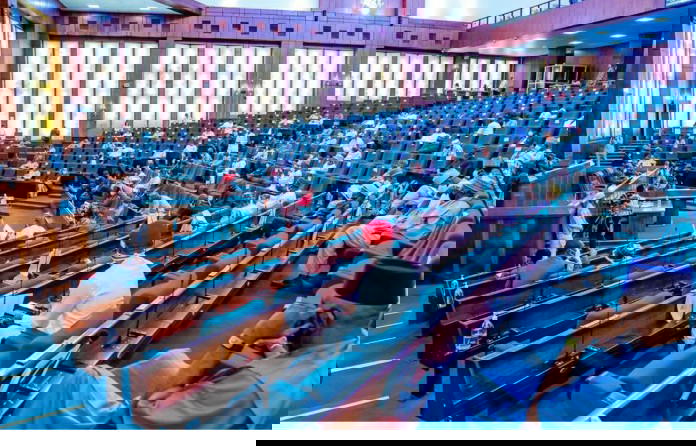
Nigeria House Reps Call for Stronger Food Safety Laws to Combat Malnutrition
Summary
- Nigeria's House of Representatives has called for stronger food safety laws.
- The legislative body also seeks enhanced enforcement mechanisms for these laws.
- The initiative aims to address malnutrition and food insecurity across the nation.
- It also targets health risks associated with unsafe food consumption.
- A key concern is the indiscriminate use of agricultural chemicals in Nigeria.
Legislative Call for Action
The legislative push aims to tackle the pervasive problems of malnutrition and food insecurity, which continue to affect a substantial portion of the population.
Nigeria's House of Representatives has issued a significant call for the strengthening of the nation's food safety laws. This legislative body is advocating for more robust legal frameworks and enhanced enforcement mechanisms to safeguard public health and address critical national challenges. The emphasis is not solely on creating new statutes but also on ensuring that existing and future regulations are effectively implemented across the country.
This demand from the House of Representatives underscores a recognition of the multifaceted issues currently impacting the Nigerian populace. The legislative push aims to tackle the pervasive problems of malnutrition and food insecurity, which continue to affect a substantial portion of the population. Furthermore, the initiative seeks to mitigate the serious health risks that arise from the consumption of unsafe food products and the uncontrolled application of agricultural chemicals within the country's food production systems.
Addressing National Health and Food Security
The impetus behind the call for stronger Nigeria House Reps food safety laws is directly linked to the urgent need to combat malnutrition and food insecurity. These issues are not merely economic but have profound implications for the health and development of individuals, particularly vulnerable populations. Unsafe food, often contaminated or improperly handled, contributes significantly to illness, reducing productivity and exacerbating nutritional deficiencies.
Beyond general food safety, a specific concern highlighted by the House of Representatives is the indiscriminate use of agricultural chemicals. This practice poses substantial health risks to consumers, potentially leading to chronic diseases and other adverse health outcomes. The legislative body's intervention signals a recognition that current practices in agricultural chemical regulation Nigeria may be insufficient, necessitating a comprehensive review and overhaul to protect citizens from harmful exposures.
The Imperative for Robust Regulation
The House of Representatives' call effectively highlights a perceived gap in current Nigerian food safety enforcement. Effective enforcement is crucial for ensuring compliance with food standards throughout the supply chain, from farm to table. Without stringent oversight and punitive measures for non-compliance, even well-intentioned laws can fail to achieve their objectives, leaving consumers vulnerable to unsafe products.
Developing and implementing more rigorous agricultural chemical regulation Nigeria is also a key component of this legislative drive. This would involve not only setting clear guidelines for the types and quantities of chemicals that can be used but also establishing robust monitoring systems and educational programs for farmers. Such measures are vital to prevent the misuse of pesticides and other agrochemicals, thereby reducing their presence in the food supply and safeguarding public health.
Broader Implications for Public Welfare
The legislative efforts to enhance food safety and control chemical use carry significant implications for the overall welfare of the Nigerian population. Improved food safety standards can lead to a reduction in foodborne illnesses, thereby easing the burden on the healthcare system and improving public health outcomes. This proactive approach to public health is a critical step towards fostering a healthier and more productive society.
Furthermore, addressing malnutrition legislation Nigeria and food insecurity legal Nigeria through stronger food safety frameworks can contribute to long-term national development. When citizens have access to safe, nutritious, and affordable food, their capacity for education, work, and overall well-being is significantly enhanced. The House of Representatives' initiative therefore represents a foundational step towards building a more resilient and healthy future for Nigeria.
Practical Implications
Lawyers and compliance officers in Nigeria's food and agriculture sectors should closely monitor legislative developments for new food safety laws and prepare for potential increased regulatory scrutiny and compliance burdens related to food production, processing, and agricultural chemical use.
Source
How does this affect you?
Get an AI analysis of this article grounded in your jurisdictions, practice areas, and any policy documents you've uploaded to Wansom.
Finish Reading the Full Story and the Expert Analysis.
Get the latest legal & regulatory intelligence in Nigeria
Wansom is AI and can make mistakes.