
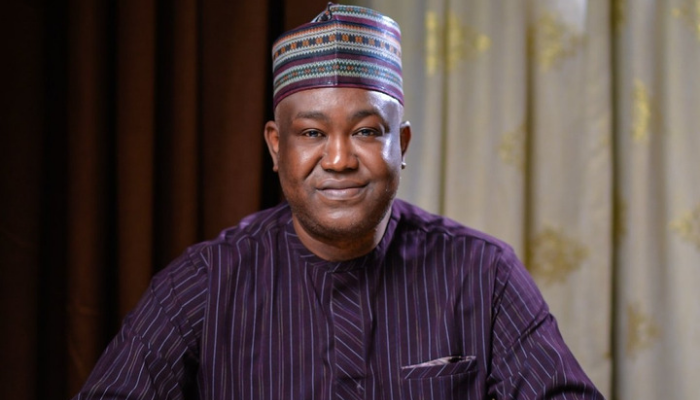
Olawepo-Hashim: Nigeria Fuel Subsidy 'Accounting Magic' Called Out
Summary
- Accord Party presidential aspirant Gbenga Olawepo-Hashim challenged the Federal Government's justification for high petrol prices.
- Olawepo-Hashim asserted that petrol could realistically sell for approximately N605 per litre in Nigeria.
- He described the ongoing fuel subsidy debate as essentially "accounting magic," implying a lack of transparency.
- These statements were made during an appearance on Channels Television’s "Politics Today."
The Core Allegation
The Accord Party presidential aspirant did not merely dispute the pricing; he went further to characterize the entire discussion surrounding the Nigerian fuel subsidy as fundamentally based on "accounting magic."
Gbenga Olawepo-Hashim, a prominent presidential aspirant representing the Accord Party, has publicly questioned the Federal Government's rationale for the prevailing high price of petrol in Nigeria. During an appearance on Channels Television’s "Politics Today," Olawepo-Hashim presented a stark alternative perspective on the nation's energy economics. He specifically asserted that the actual cost of petrol could be significantly lower, suggesting a potential retail price of approximately N605 per litre, a figure that sharply contrasts with current market rates.
The Accord Party presidential aspirant did not merely dispute the pricing; he went further to characterize the entire discussion surrounding the Nigerian fuel subsidy as fundamentally based on "accounting magic." This pointed criticism implies a lack of transparency or a deliberate misrepresentation in how fuel costs and subsidies are calculated and presented to the public. Olawepo-Hashim's intervention injects a critical voice into the ongoing national dialogue concerning fuel pricing and the management of public funds allocated to energy subventions. His challenge directly targets the Federal Government's economic justifications, pushing for greater clarity on the true cost of petrol in Nigeria.
Unpacking the Fuel Subsidy Debate
Olawepo-Hashim's assertion that petrol could retail for N605 per litre and his description of the subsidy as "accounting magic" highlight a deep-seated skepticism within political circles regarding the transparency and efficacy of Nigeria's energy policy. The concept of "accounting magic" suggests that the reported figures or the methodology used to justify the subsidy are either manipulated or obscure, preventing a clear understanding of the actual financial burden and benefit. This perspective fuels the broader Nigeria energy policy debate, questioning whether the current subsidy regime truly serves the public interest or if it masks inefficiencies and inflated costs.
The ongoing discourse around the Nigerian fuel subsidy has long been a contentious issue, impacting both government finances and the daily lives of citizens. Olawepo-Hashim's specific claim about the Nigerian fuel subsidy N605 litre price point provides a concrete benchmark against which the Federal Government's current pricing mechanisms can be scrutinized. Such criticism from an Accord Party figure like Olawepo-Hashim underscores the political sensitivity of fuel pricing and the persistent calls for reforms that would ensure greater accountability and potentially lower costs for consumers.
Political and Economic Ramifications
The public challenge issued by Gbenga Olawepo-Hashim carries significant political and economic weight, particularly given his status as an Accord Party presidential aspirant. His direct questioning of the Federal Government's justification for fuel prices and his characterization of the subsidy as "accounting magic" resonate with a populace often wary of government spending and economic transparency. This Accord Party fuel subsidy criticism contributes to a wider public discourse that demands greater accountability from the government regarding its management of critical national resources.
Such pronouncements from a political leader like Olawepo-Hashim can influence public opinion and intensify pressure on the Federal Government to re-evaluate its fuel subsidy policies. The debate surrounding the cost of petrol in Nigeria is not merely an economic one; it is deeply intertwined with issues of governance, public trust, and the perceived fairness of economic policies. Olawepo-Hashim's intervention, particularly his focus on the potential for a N605 per litre price, serves to keep the issue of fuel subsidy reform at the forefront of the national agenda, potentially shaping future policy discussions and electoral campaigns, thereby impacting the broader Nigeria fuel subsidy accounting magic Olawepo-Hashim narrative.
Practical Implications
This article primarily offers political commentary on economic policy rather than direct legal or regulatory developments. While the broader topic of fuel subsidy impacts various sectors, this specific piece does not present an immediate actionable legal implication for lawyers or compliance officers, such as a new regulation, filing deadline, or compliance exposure. It serves more as background information on ongoing economic debates that could eventually influence policy.
Source
How does this affect you?
Get an AI analysis of this article grounded in your jurisdictions, practice areas, and any policy documents you've uploaded to Wansom.
Finish Reading the Full Story and the Expert Analysis.
Wansom is AI and can make mistakes.