
Nigeria FRC: Board Absence for 13 Years Hindered Operations
Summary
- Abdullahi Saidu, now the Executive Chairman of the FRC, revealed the commission had operated without a board for over 13 years.
- This prolonged absence has reportedly hindered the Fiscal Responsibility Commission's operations.
- The revelation was made during Saidu's confirmation hearing before the Nigerian Senate.
- The lack of a governing board for such an extended period raises significant governance concerns for the FRC.
- New Tinubu FRC board appointments have addressed these long-standing operational challenges.
What Happened
The previous continuous operation of the Fiscal Responsibility Commission without a governing board for more than thirteen years presented a substantial governance anomaly within Nigeria's public sector.
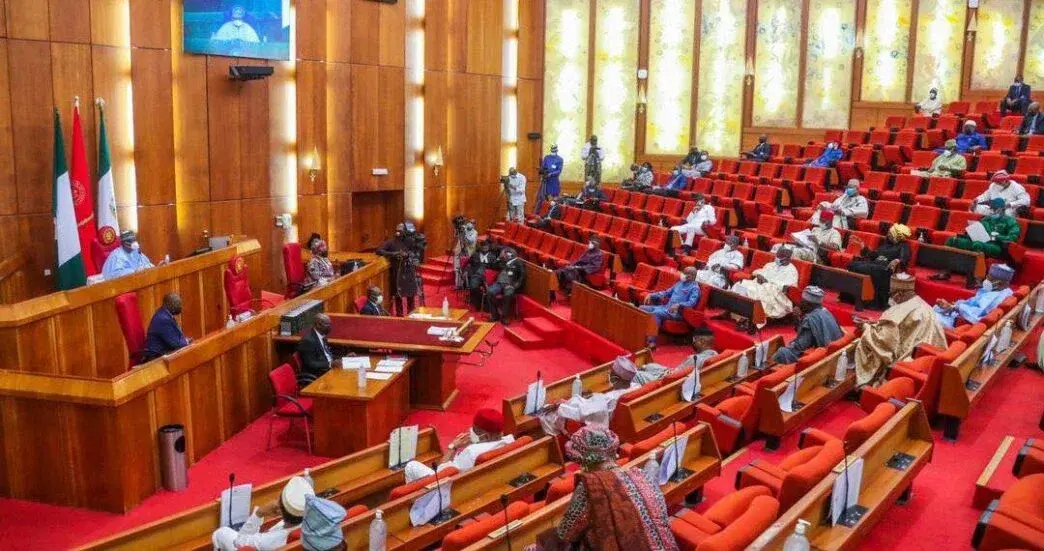
Abdullahi Saidu, Executive Chairman of the Fiscal Responsibility Commission (FRC), recently brought to light a critical governance issue during his appearance before the Nigerian Senate. Testifying before the legislative body, Saidu disclosed that the FRC had been operating without a fully constituted governing board for an extensive period exceeding thirteen years. This revelation emerged as part of the confirmation process for his proposed appointment as chairman, which has since been completed with his appointment as Executive Chairman and the constitution of the board.
Saidu emphasized that this prolonged absence of a statutory board has significantly hampered the commission's ability to carry out its functions effectively. The nominee's statement underscores the operational challenges Nigeria's Fiscal Responsibility Commission has faced, suggesting that key strategic and oversight responsibilities typically vested in a board have been either deferred or inadequately addressed for well over a decade. His testimony provides a stark insight into the institutional gaps that have characterized the FRC's recent history.
Legal Context
The previous continuous operation of the Fiscal Responsibility Commission without a governing board for more than thirteen years presented a substantial governance anomaly within Nigeria's public sector. A board is typically mandated to provide strategic direction, approve policies, ensure financial prudence, and oversee the executive management of an agency. Its absence can lead to a lack of accountability, inconsistent policy implementation, and a diminished capacity to respond to evolving fiscal challenges, directly impacting the Fiscal Responsibility Commission governance Nigeria.
This extended period without a board raises pertinent questions about the validity and strategic coherence of decisions made by the FRC during this time. While day-to-day operations might continue, the absence of high-level oversight and strategic planning from a diverse board membership could compromise the commission's long-term effectiveness and its ability to fulfill its core mandate of promoting prudent management of the nation's resources. The Nigerian Senate FRC board confirmation process, which has since concluded, was therefore not just about appointing individuals but about restoring a fundamental layer of institutional governance.
Why It Matters
The confirmation and appointment of Abdullahi Saidu and the broader process of Tinubu FRC board appointments marked a crucial juncture for fiscal oversight in Nigeria. The FRC is tasked with ensuring fiscal prudence and transparency, making its effective functioning vital for the nation's economic stability and development. The nominee's disclosure highlights that for over a decade, this critical institution has been navigating complex fiscal landscapes without the full complement of leadership and strategic guidance that a board provides.
A fully constituted and functional board is expected to reinvigorate the Fiscal Responsibility Commission, potentially leading to a renewed focus on enforcement, policy review, and strategic planning. This development has significantly altered the landscape of fiscal responsibility in Nigeria, bringing a more robust and accountable approach to public finance management. The resolution of the FRC board absence 13 years issue is therefore a significant step towards strengthening institutional governance and ensuring that the commission can effectively pursue its mandate for the benefit of all Nigerians.
Practical Implications
The revelation of the FRC operating without a board for over a decade highlights potential governance gaps and raises questions about the validity and strategic direction of past FRC actions. Lawyers should advise clients to monitor the new board's appointments and policies closely, as a fully constituted board may lead to renewed enforcement efforts or changes in fiscal oversight interpretation, potentially impacting compliance requirements.
Source
How does this affect you?
Get an AI analysis of this article grounded in your jurisdictions, practice areas, and any policy documents you've uploaded to Wansom.
Finish Reading the Full Story and the Expert Analysis.
Get the latest legal & regulatory intelligence in Nigeria
Wansom is AI and can make mistakes.