
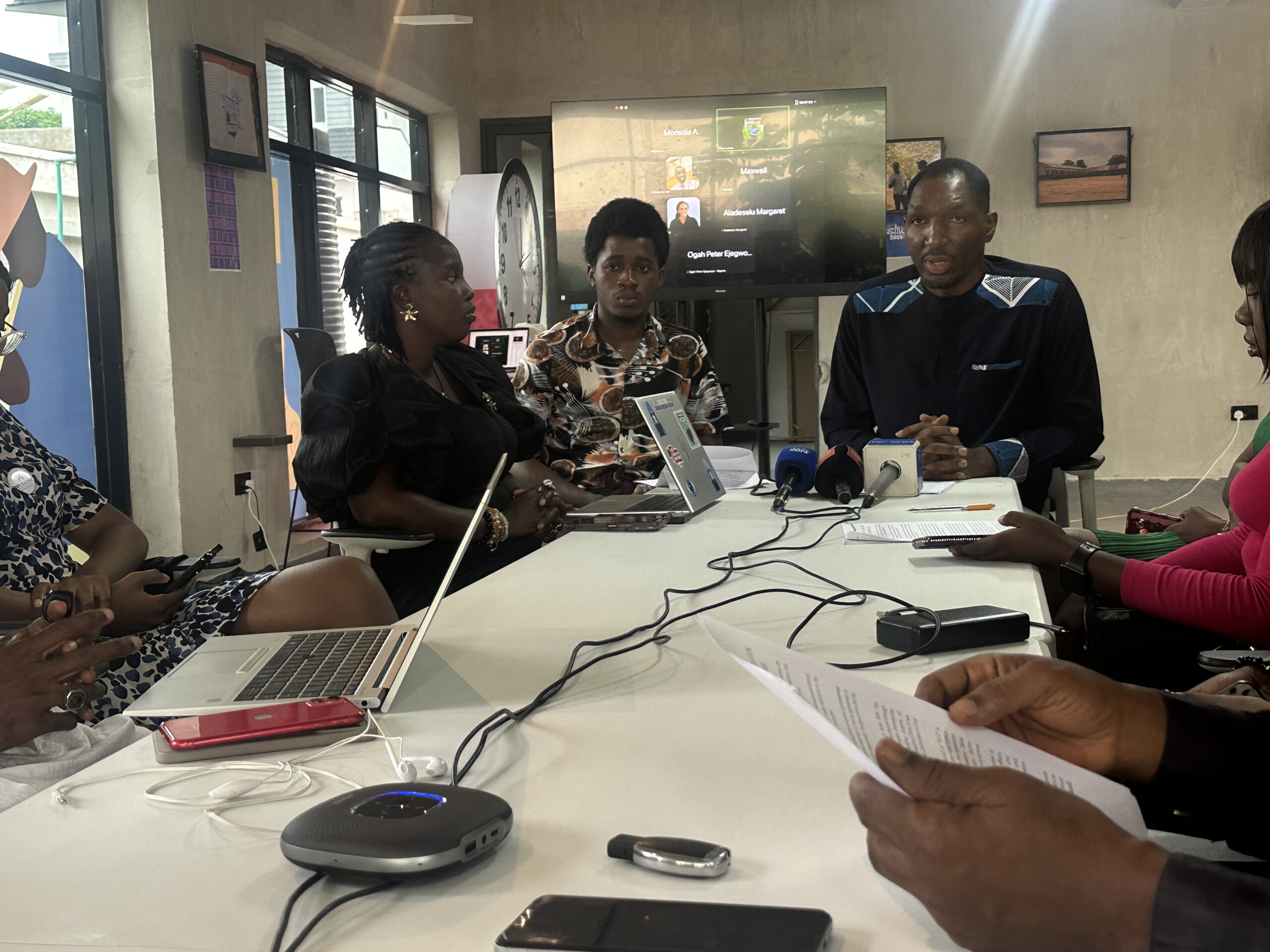
Nigeria CSOs: Demand Foreign Aid Bill Withdrawal, Call It Unconstitutional
Summary
- A coalition of Nigerian Civil Society Organizations (CSOs) has demanded the withdrawal of the proposed Foreign Aid Bill.
- The CSOs describe the bill as both repressive and unconstitutional.
- They argue the bill would establish a new regulatory regime for organizations based on their funding sources.
- The coalition warns that this legislation poses a significant threat to Nigeria's civic space.
Call for Withdrawal of Foreign Aid Bill
The CSOs' primary contention revolves around the bill's stated intention to establish an entirely new regulatory framework.
A collective of Civil Society Organizations (CSOs) in Nigeria has issued a strong demand for the immediate withdrawal of the proposed Foreign Aid Bill. This coalition has characterized the legislation as both oppressive and fundamentally unconstitutional, raising significant alarms about its potential ramifications for the operational landscape of non-governmental entities across the nation.
The CSOs' primary contention revolves around the bill's stated intention to establish an entirely new regulatory framework. This proposed regime, according to the coalition, would specifically target organizations based on the origins of their financial support, thereby introducing a novel layer of scrutiny and control over how they receive and utilize foreign assistance. This move is seen as a direct challenge to the autonomy and operational independence of these groups.
Legal and Regulatory Concerns
The Foreign Aid Bill, if enacted, is poised to introduce a distinct regulatory regime that would specifically govern organizations depending on their funding sources. This proposed framework has been explicitly labeled as unconstitutional by the coalition of CSOs, suggesting a belief that the bill infringes upon established legal principles or rights within the Nigerian legal system. Such a designation implies that the legislation may be perceived as overstepping governmental powers or curtailing fundamental freedoms.
The core of the CSOs' objection lies in the bill's focus on external financial support as a basis for regulation. This approach could lead to a differentiated oversight mechanism, where organizations receiving foreign aid are subjected to different rules and requirements than those funded domestically. This potential shift in the Nigerian NGO funding regulation landscape is a key point of concern for the civic groups, who foresee a more restrictive and potentially discriminatory CSO regulatory regime Nigeria.
Threat to Civic Space
The coalition has vociferously warned that the implementation of the Foreign Aid Bill poses a significant threat to the vitality and independence of Nigeria's civic space. By creating a new regulatory regime specifically tied to organizations' funding sources, the bill could severely restrict the operational capacity and scope of work for many CSOs, particularly those engaged in critical advocacy, development, and humanitarian efforts that often rely on international support.
This legislative initiative, framed by the CSOs as repressive, could stifle the ability of non-governmental organizations to function effectively and independently. The proposed framework, which bases regulation on the origin of financial aid, is seen as a mechanism to control and potentially limit the activities of groups that might challenge government policies or address sensitive social issues. This perceived encroachment on the freedom of association and expression underscores the gravity of the Nigerian Foreign Aid Bill protest and the broader concerns about Nigerian civic space legislation.
Practical Implications
Lawyers advising NGOs, CSOs, or international funders in Nigeria should closely monitor the progress of this Foreign Aid Bill. Its proposed 'new regulatory regime' could introduce significant compliance obligations and restrictions on funding sources, necessitating proactive legal advice on operational adjustments and potential constitutional challenges for affected organizations.
Source
How does this affect you?
Get an AI analysis of this article grounded in your jurisdictions, practice areas, and any policy documents you've uploaded to Wansom.
Finish Reading the Full Story and the Expert Analysis.
Get the latest legal & regulatory intelligence in Nigeria
Wansom is AI and can make mistakes.