
Nigeria FG: Petrol Price Ceiling Negotiation Targets ₦1350 Cap
Summary
- The Nigerian Federal Government is negotiating a ₦1,350 per litre ceiling for petrol's ex-gantry or landing cost.
- This proposed price cap aims to limit price volatility in the domestic fuel market.
- The negotiation is occurring amidst a period of rising global crude oil and refined petroleum product prices.
- A Minister announced this initiative, highlighting the government's intent to stabilize fuel costs.
- The ceiling, if implemented, would become a key part of Nigeria's petroleum product pricing policy.
What Happened
The proposed Nigerian fuel price cap ₦1350 is specifically designed to mitigate fluctuations in fuel prices at the pump.
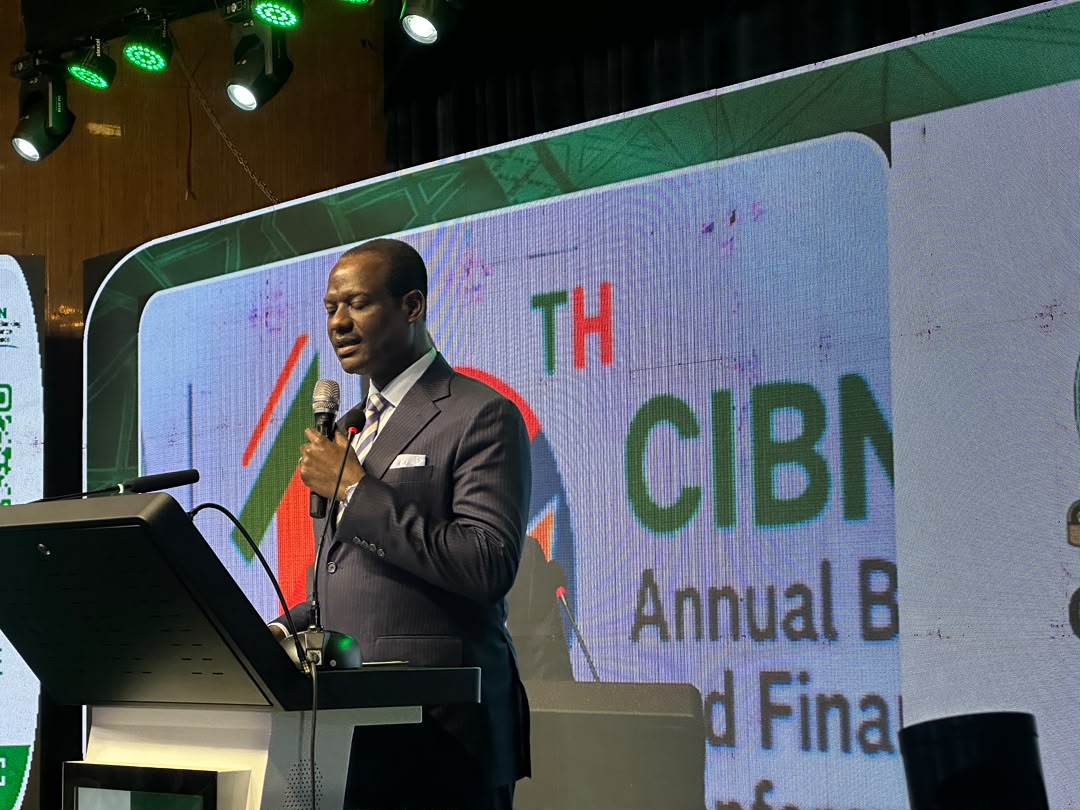
The Nigerian Federal Government is currently engaged in discussions to establish a maximum price of ₦1,350 per litre for the ex-gantry or landing cost of petrol. This significant Nigeria FG petrol price ceiling negotiation was announced by a Minister, indicating a proactive stance by the government to address economic pressures.
The proposed Nigerian fuel price cap ₦1350 is specifically designed to mitigate fluctuations in fuel prices at the pump. This initiative comes at a time when global crude oil prices and the cost of refined petroleum products are experiencing an upward trend, leading to increased pressure on domestic fuel costs. The government's objective is to introduce a measure that can stabilize the market and protect consumers from the full impact of international price surges.
Regulatory Framework and Context
This negotiation represents a crucial development within Nigeria's petroleum product pricing policy. By targeting the ex-gantry cost petrol Nigeria and the landing cost petrol Nigeria, the government aims to control the foundational elements that contribute to the final retail price of fuel. Should these negotiations succeed, the ₦1,350 ceiling would become a new, formal component of the country's energy sector regulation, directly influencing the economics of fuel importation and distribution.
The move to impose a price ceiling reflects a broader strategy to manage the economic impact of global energy market dynamics on the domestic front. While the specific mechanisms for enforcing such a cap are subject to the ongoing negotiation, its implementation would signify a direct intervention in the pricing structure, moving beyond market forces alone to ensure a degree of predictability for both suppliers and consumers within the Nigerian energy sector.
Why It Matters
The establishment of a ₦1,350 per litre ceiling on the ex-gantry or landing cost of petrol holds substantial implications for Nigeria's economy and its citizens. The primary motivation behind this Nigeria FG petrol price ceiling negotiation is to curb price volatility, which has historically led to economic instability and hardship for consumers. By capping these fundamental cost components, the government seeks to create a more predictable pricing environment for petrol.
Such a measure could significantly impact various stakeholders, from fuel importers and distributors to the average Nigerian motorist. A stable Nigerian fuel price cap ₦1350 on the ex-gantry and landing costs would provide a clearer framework for businesses operating within the petroleum sector, while also offering some relief to consumers grappling with rising living costs. The outcome of these negotiations will therefore be closely watched as it will shape future pricing strategies and consumer spending patterns across the nation.
Practical Implications
Lawyers advising clients in Nigeria's petroleum sector should closely monitor the outcome of these negotiations, as a formal price ceiling could introduce new compliance obligations, impact supply chain contracts, and necessitate adjustments to pricing strategies for businesses involved in fuel importation, distribution, and retail.
Source
How does this affect you?
Get an AI analysis of this article grounded in your jurisdictions, practice areas, and any policy documents you've uploaded to Wansom.
Finish Reading the Full Story and the Expert Analysis.
Get the latest legal & regulatory intelligence in Nigeria
Wansom is AI and can make mistakes.