
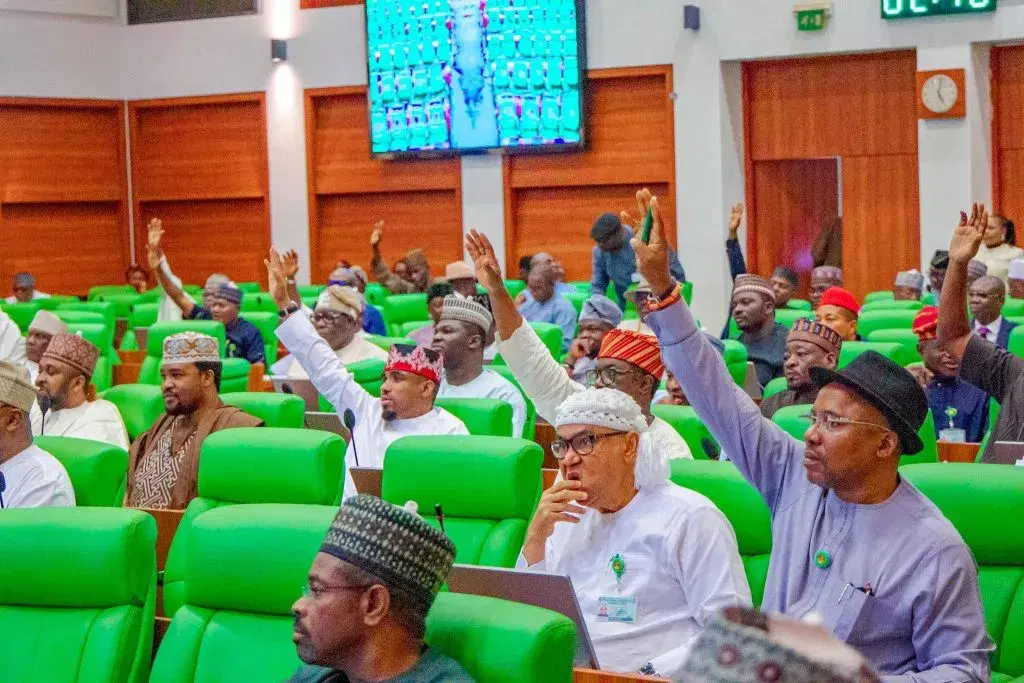
Nigerian House: Proposes Strict EV CNG Import Rules
Summary
- The Nigerian House of Representatives is pushing for stricter import regulations for electric and CNG vehicles.
- Proposed rules mandate local maintenance centers, genuine spare parts, and after-sales support from importers.
- Lawmakers also urged the Federal Government to establish a transparent licensing framework for EV and CNG vehicle importers.
- These measures aim to enhance consumer protection and ensure proper support for advanced vehicle technologies in Nigeria.
Legislative Initiative for Vehicle Imports
The proposed framework specifically targets importers, demanding that they establish local maintenance centers within Nigeria.
The Nigerian House of Representatives has initiated a move to implement more stringent regulations concerning the importation of electric vehicles (EVs), compressed natural gas (CNG) vehicles, and their associated equipment. This legislative push aims to introduce mandatory requirements for companies involved in bringing these modern vehicle types into the country, signaling a significant shift in Nigeria EV CNG import rules.
The proposed framework specifically targets importers, demanding that they establish local maintenance centers within Nigeria. Furthermore, the regulations would compel these importers to ensure the availability of genuine spare parts for the vehicles they bring in, alongside providing comprehensive after-sales support to consumers. These measures are designed to enhance consumer protection and ensure the long-term viability of EV and CNG adoption in the nation.
In addition to these direct requirements for importers, the lawmakers have also urged the Federal Government to develop and implement a transparent licensing framework. This framework would specifically govern companies engaged in the importation of both electric and CNG vehicles, aiming to create a clear and equitable system for market entry and operation.
Proposed Regulatory Framework
The core of the proposed regulations centers on creating a more robust and accountable import ecosystem for advanced vehicle technologies. By mandating local maintenance centers, the House of Representatives seeks to address concerns regarding vehicle servicing and repair, which are critical for the widespread acceptance and functionality of EVs and CNG vehicles. This directly impacts the establishment of Nigeria vehicle local service centers, ensuring that infrastructure keeps pace with technological adoption.
Another key aspect of the proposed rules is the insistence on genuine spare parts. This requirement is crucial for vehicle safety, performance, and longevity, aiming to curb the influx of substandard components that could compromise vehicle integrity. Coupled with this, the demand for after-sales support reflects a commitment to consumer satisfaction and the overall health of the automotive market, effectively introducing new Nigeria vehicle after-sales support legislation.
These combined requirements for local infrastructure, authentic components, and ongoing customer service represent a comprehensive approach to regulating the import sector. They aim to professionalize the market for Nigerian electric vehicle import law and Nigerian CNG vehicle import requirements, ensuring that only compliant entities can operate.
Implications for the Automotive Sector
The House of Representatives' proposed tightening of import rules carries substantial implications for the automotive industry in Nigeria, particularly for companies specializing in EVs and CNG vehicles. If enacted, these regulations would necessitate significant operational adjustments for importers, requiring investment in local infrastructure and supply chains to meet the new mandates for maintenance and spare parts.
This legislative action underscores a strategic effort by the Nigerian House of Representatives automotive policy to foster a more structured and consumer-friendly environment for emerging vehicle technologies. The call for a transparent Nigeria EV CNG licensing framework indicates a desire to streamline and formalize the import process, potentially leading to a more regulated and competitive market.
Ultimately, these proposed regulations are poised to reshape how electric and CNG vehicles are introduced and supported in Nigeria. They highlight a growing focus on sustainability and consumer welfare within the nation's automotive sector, demanding higher standards from all participants in the import value chain.
Practical Implications
Lawyers and compliance officers advising automotive importers or manufacturers in Nigeria should closely monitor the legislative progress of these proposed regulations by the House of Representatives. They need to prepare clients for potential new compliance burdens related to mandatory local maintenance centers, genuine spare parts, after-sales support, and a new licensing framework for EV and CNG vehicle imports.
Source
How does this affect you?
Get an AI analysis of this article grounded in your jurisdictions, practice areas, and any policy documents you've uploaded to Wansom.
Finish Reading the Full Story and the Expert Analysis.
Wansom is AI and can make mistakes.