
Nigeria CLE: Ogechi Ifezie Award Withdrawal Sparks Due Process Debate
Summary
- The Council of Legal Education (CLE) withdrew a Professional Ethics prize from Ogechi Ifezie, the 2026 best graduating student of the Nigerian Law School.
- A growing body of opinion within the Nigerian Bar is urging the CLE to restore or properly review the award withdrawal.
- Concerns have been raised regarding the CLE's due process, specifically that no rule was cited and no hearing was disclosed for the withdrawal.
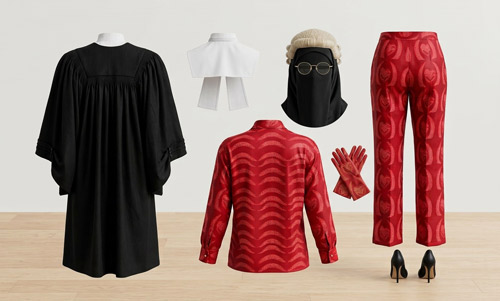
- The controversy is linked to the broader Isiagu-Hijab Debate, which has reignited discussions on culture and dress regulation.
- This situation highlights potential issues of transparency and administrative fairness within the Council of Legal Education Nigeria.
Award Withdrawal Sparks Controversy
The absence of a stated rule or an open hearing process directly challenges fundamental principles of administrative justice and fairness.
The Council of Legal Education (CLE) in Nigeria has recently faced mounting scrutiny following its decision to withdraw a Professional Ethics prize from Ogechi Ifezie, identified as the 2026 best graduating student of the Nigerian Law School. This action has ignited a significant controversy, drawing widespread attention and concern from legal professionals across the country.
A growing segment of the Nigerian Bar is now actively advocating for the CLE to either reinstate the award or, at the very least, conduct a thorough and proper review of the withdrawal process. The calls for reconsideration highlight deep-seated concerns regarding the transparency and fairness of the Council's administrative procedures.
The Ogechi Ifezie ethics prize controversy is not isolated; it has become intertwined with the broader Isiagu-Hijab Debate, a discussion that has rekindled long-standing concerns about cultural expression and dress regulations within Nigeria's legal and educational institutions. This connection amplifies the complexity of the situation, suggesting that the award withdrawal may be symptomatic of larger issues at play within the legal education system.
Legal and Procedural Concerns
A central point of contention surrounding the Nigerian Law School award withdrawal revolves around the apparent lack of clear procedural adherence by the Council of Legal Education. Critics have raised significant CLE due process concerns Nigeria, specifically noting that no specific rule or regulation has been cited as the basis for the withdrawal, nor has any hearing process been disclosed to the public or the affected student.
This absence of a stated rule or an open hearing process directly challenges fundamental principles of administrative justice and fairness. For a body like the Council of Legal Education, which governs legal education and professional standards, such procedural omissions can undermine public trust and raise questions about the integrity of its decisions. The lack of transparency in this instance has fueled the calls for a comprehensive review, emphasizing the importance of established protocols in disciplinary or administrative actions.
The controversy underscores the necessity for regulatory bodies to operate within clearly defined legal frameworks, ensuring that all actions, particularly those affecting a student's academic achievements and professional reputation, are conducted with due regard for fairness and accountability. The questions trailing the CLE's decision highlight a demand for greater clarity and adherence to procedural safeguards.
Wider Implications for Legal Education
The unfolding Ogechi Ifezie ethics prize controversy carries significant implications for the future of legal education and professional ethics in Nigeria. The manner in which the Council of Legal Education Nigeria resolves this matter could set a precedent for how similar issues are handled moving forward, impacting students and institutions alike.
Beyond the immediate impact on Ifezie, the situation raises broader questions about the criteria for awarding and withdrawing academic honors, and the extent to which cultural or dress code debates might influence such decisions. The connection to the Isiagu-Hijab Debate legal ethics discussion further complicates the narrative, suggesting a need for clear guidelines that balance tradition, individual rights, and professional standards.
Ultimately, the resolution of this dispute will be closely watched by the legal community. It serves as a critical test of the Council of Legal Education's commitment to transparency, due process, and upholding the highest standards of administrative fairness in its governance of legal education in Nigeria.
Practical Implications
This development highlights potential due process and transparency issues within the Council of Legal Education. Lawyers should monitor the resolution of this controversy for precedents on administrative fairness and the procedural requirements for regulatory bodies' actions affecting legal professionals in Nigeria.
Source
How does this affect you?
Get an AI analysis of this article grounded in your jurisdictions, practice areas, and any policy documents you've uploaded to Wansom.
Finish Reading the Full Story and the Expert Analysis.
Wansom is AI and can make mistakes.