
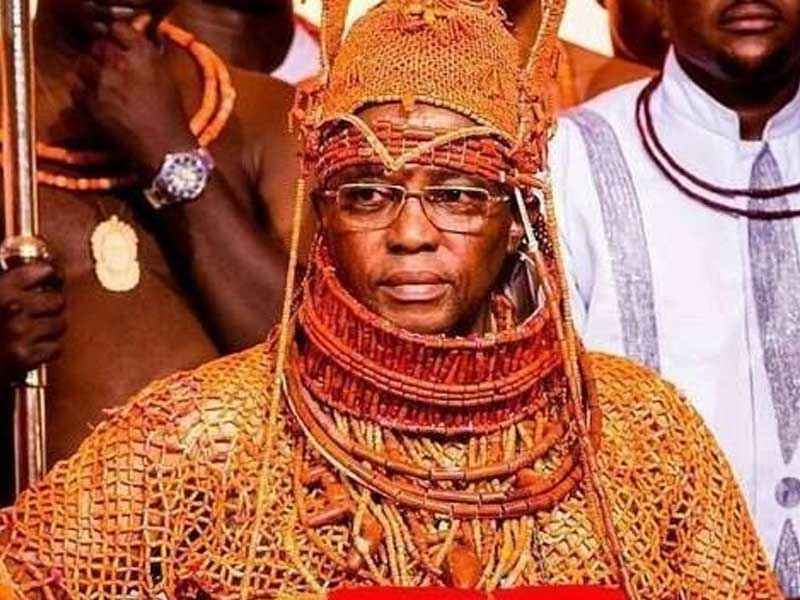
Oba of Benin: Indefinitely Suspends Royal Praise Singers Over Palace Rule Breach
Summary
- The Oba of Benin, Oba Ewuare II, has indefinitely suspended the Isikhuan royal praise singers.
- The suspension was enacted due to an alleged breach of palace rules and Benin tradition.
- The group reportedly violated an ancient Benin taboo by staging a traditional performance a few days ago.
- The incident occurred in Benin City and highlights the significant authority of the traditional monarch.
The Suspension Announced
The decision by Oba Ewuare II to indefinitely suspend the praise singers underscores the enduring and significant authority wielded by traditional institutions in Nigeria.
His Majesty Omo N’Oba N’Edo Uku’Akpolokpolo, Oba Ewuare II, the revered Oba of Benin, has issued an indefinite suspension against the Isikhuan royal praise singers. This significant decision, originating from Benin City, follows an alleged breach of established palace rules and long-standing Benin tradition.
The suspension was prompted by the group's actions a few days prior, when they staged a traditional performance. This particular performance is understood to have violated an ancient Benin taboo, leading directly to the monarch's intervention. The indefinite nature of the suspension underscores the seriousness with which such transgressions are viewed within the royal court.
Upholding Ancient Traditions
The incident highlights the profound importance of customary laws and ancient taboos within the Benin Kingdom. Palace rules are not merely administrative guidelines but are deeply intertwined with the cultural and spiritual fabric of the community, reflecting centuries of tradition and royal decree. A breach of these rules, particularly one involving an ancient taboo, is considered a significant affront to the established order and the authority of the Oba.
The Isikhuan royal praise singers, by their very designation, are integral to the palace's ceremonial life, making their suspension a powerful statement. Their role typically involves upholding and celebrating the monarchy through traditional performances, making the alleged unauthorized performance and subsequent violation of a taboo a direct challenge to the very traditions they are meant to honor. This action by the Oba of Benin serves to reinforce the sanctity of these age-old customs.
The Authority of the Monarchy
The decision by Oba Ewuare II to indefinitely suspend the praise singers underscores the enduring and significant authority wielded by traditional institutions in Nigeria. The Oba of Benin, as the spiritual and temporal head of his kingdom, holds immense power to interpret and enforce customary law, ensuring the preservation of cultural heritage and palace protocols. This incident demonstrates that even those closely associated with the royal court are subject to strict adherence to these regulations.
Such an exercise of power reinforces the monarch's role as the ultimate custodian of Benin culture and traditions. The suspension of the royal praise singers over an alleged breach of palace rules and an ancient taboo sends a clear message about the unwavering commitment to maintaining order and respect within the royal domain, irrespective of the individuals or groups involved. It is a testament to the continued relevance and influence of traditional governance structures in contemporary society.
Broader Implications for Engagement
This event serves as a crucial reminder for legal practitioners advising clients operating within or engaging with traditional communities in Nigeria. The significant authority of traditional institutions, exemplified by the Oba of Benin's actions, means that businesses and individuals must conduct thorough due diligence regarding local traditions, customary laws, and palace protocols. Failure to understand and respect these intricate governance structures can lead to unforeseen sanctions or reputational damage.
The suspension of the Isikhuan royal praise singers in Benin over an unauthorized performance and a Benin tradition breach illustrates the potential for serious repercussions arising from violations of customary rules. It underscores the necessity of a nuanced approach when interacting with such communities, recognizing that traditional leaders like Oba Ewuare II possess the power to enforce their edicts, which can have tangible impacts on local operations and relationships. The incident highlights that adherence to local customs is not merely a matter of courtesy but a fundamental requirement for harmonious engagement.
Practical Implications
This incident serves as a reminder for legal practitioners advising clients operating within or engaging with traditional communities in Nigeria about the significant authority of traditional institutions and the potential for sanctions arising from breaches of customary rules and palace protocols. It highlights the importance of due diligence regarding local traditions and governance structures.
Source
How does this affect you?
Get an AI analysis of this article grounded in your jurisdictions, practice areas, and any policy documents you've uploaded to Wansom.
Finish Reading the Full Story and the Expert Analysis.
Wansom is AI and can make mistakes.