
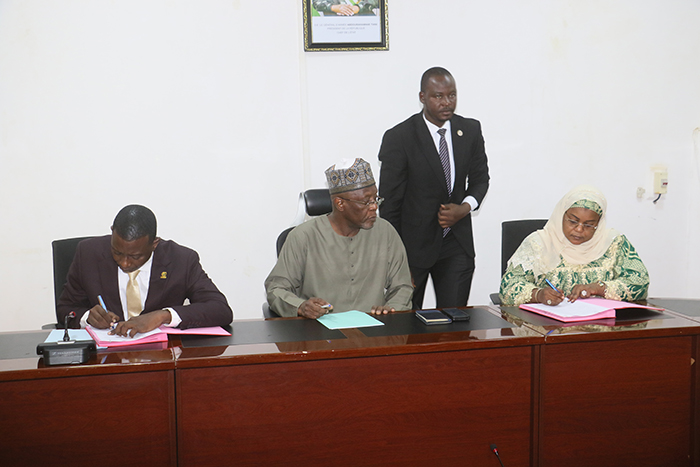
Niger State Government: Signs $190M Photovoltaic Power Plant PPP Contract
Summary
- The Niger state government and Niger Electricity Power Production signed a contract for a 200-megawatt photovoltaic power plant.
- The project is valued at over 126 billion FCFA ($190 million USD) and will be implemented through a PPP.
- The agreement sets a precedent for future infrastructure development in Niger, potentially paving the way for similar partnerships.
What Happened
This investment marks a significant step towards developing Niger's energy sector, with a focus on renewable energy sources.
On Thursday, August 20, 2026, the Niger state government and Niger Electricity Power Production signed a contract for the construction of a 200-megawatt photovoltaic power plant. The project is valued at over 126 billion FCFA (approximately $190 million USD) and will be implemented through a public-private partnership (PPP). This investment marks a significant step towards developing Niger's energy sector, with a focus on renewable energy sources.
Legal Context
The signing of the contract follows months of negotiations between the two parties. According to sources, the project will be carried out in accordance with Nigerien law and international best practices for PPP projects. The agreement is expected to set a precedent for future infrastructure development in the country, potentially paving the way for similar partnerships in other sectors.
Why It Matters
The implications of this contract are far-reaching, with potential impacts on Niger's energy sector and economy. Lawyers advising clients on PPP projects in the region should take note of the terms and conditions outlined in the agreement, as they may establish a benchmark for future deals. The success of this project could also serve as a model for other African countries looking to develop their own renewable energy infrastructure.
Practical Implications
Lawyers advising on Niger's energy sector should watch for the implications of this PPP deal, which may set a precedent for future infrastructure projects in the country.
Source
Source: Original reporting via Le Sahel
How does this affect you?
Get an AI analysis of this article grounded in your jurisdictions, practice areas, and any policy documents you've uploaded to Wansom.
Wansom is AI and can make mistakes.