
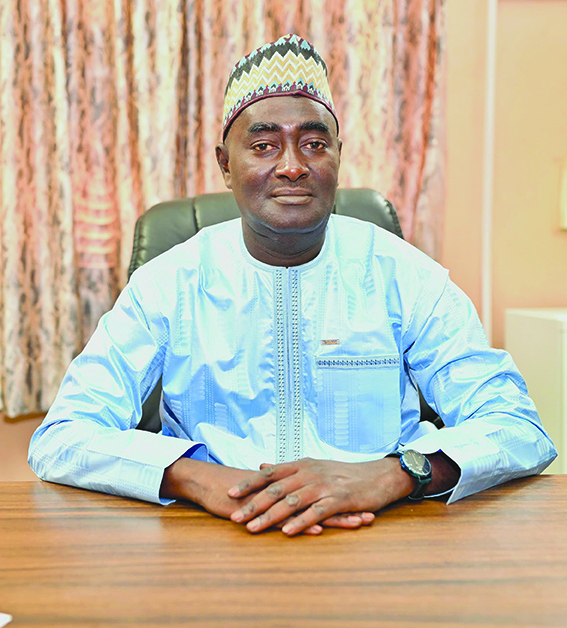
Niger President Reveals Bribery, Negligence in Mali Attack Security Breach
The President of Niger, General Abdourahamane Tiani, revealed in a recent radio-televised interview that mercenaries who carried out an attack in Mali on April 25, 2026, had bribed security agents with a 10,000 FCFA note to gain access to their target area.
This revelation has significant implications for practitioners and businesses operating in the region. The ease with which the mercenaries were able to bribe their way past security checkpoints highlights the vulnerability of Niger's security infrastructure to corruption. This is particularly concerning given the recent increase in attacks on military targets in the region. Practitioners should be aware that this development may lead to increased scrutiny of security protocols and measures to prevent corruption within the security forces.
The relevant statutes and regulations governing security operations in Niger include the Code of Military Justice, which sets out the rules for military conduct and discipline. The Nigerien Armed Forces are also subject to the country's national security laws, which outline the responsibilities of security agencies in maintaining public safety. The courts involved in this matter would likely be the Nigerien Supreme Court or the Court of Cassation.
The key parties involved in this development include General Tiani, who made the revelation, and the mercenaries who carried out the attack. The security agents who were bribed are also implicated, as their negligence and corruption contributed to the success of the attack. Practitioners should monitor developments in this case and be prepared to advise clients on how to navigate the changing security landscape in Niger.
Practitioner takeaway: Attorneys and businesses operating in Niger should be aware of the risks posed by corruption within the security forces and take steps to ensure that their own operations are not compromised by similar vulnerabilities. This may involve implementing robust anti-corruption measures, conducting regular risk assessments, and staying informed about developments in the region.
How does this affect you?
Get an AI analysis of this article grounded in your jurisdictions, practice areas, and any policy documents you've uploaded to Wansom.
Wansom is AI and can make mistakes.