
Niger: Launches Mass Enrollment for AES Biometric Passport
Summary
- Niger launched mass enrollment for its new Niger-AES biometric passport on Tuesday, September 15, 2026, to modernize official documents and enhance security.
- The new passport integrates biographical and biometric data, adhering to international standards, particularly those of the International Civil Aviation Organization.
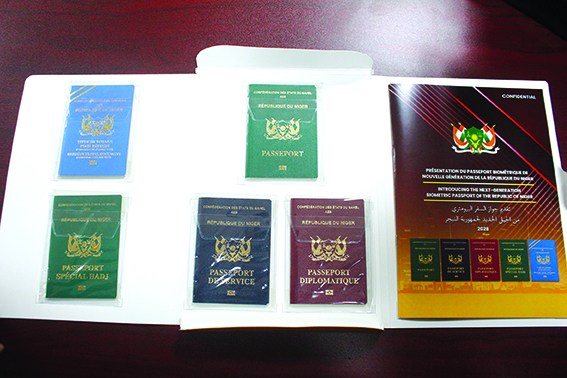
- The system includes various categories: ordinary, service, diplomatic, refugee travel documents, and a special Hajj passport valid for two years for travel solely to Saudi Arabia.
- The cost of the new passport has increased by 9,000 F compared to the previous tariff, reflecting enhanced security features and advanced technology.
- This initiative aims to combat document fraud, identity theft, and transnational threats, supporting national sovereignty and citizen mobility.
Niger Modernizes Travel Documents
He emphasized the critical need for modernizing travel documents in an era plagued by document fraud, identity theft, and escalating transnational threats.
Niger officially commenced mass enrollment for its new biometric passport, known as the Niger-AES biometric passport, on Tuesday, September 15, 2026. This initiative marks a significant advancement in the nation's efforts to modernize its official documentation, aiming to bolster national sovereignty, enhance security, and facilitate citizen mobility. The introduction of this document also reflects a unified commitment among the confederation's authorities to establish a shared travel credential.
The launch ceremony was overseen by Mr. Abdoul Kader Garba Moussa, who was formerly the Deputy Secretary General of the Ministry of Interior, Public Security, and Territorial Administration. He emphasized the critical need for modernizing travel documents in an era plagued by document fraud, identity theft, and escalating transnational threats. The new AES biometric passport is designed as a next-generation travel document, integrating both biographical and biometric data with advanced technical features to strengthen its authenticity, reliability, and security.
Advanced Security and Diverse Categories
Mr. Moussa further clarified that the passport's specifications adhere strictly to international standards and requirements for travel documents, particularly those set forth by the International Civil Aviation Organization (ICAO). He also highlighted the meticulous process involved in implementing this new system, which included careful preparation of equipment, system installation, application configuration, technical testing, comprehensive agent training, and thorough verification of the entire production chain.
Following the ceremony, Mr. Moussa, accompanied by the Governor of Niamey, toured the formalities section of the Territorial Surveillance Directorate, where the new biometric enrollment systems for the Niger-AES biometric passport are now operational. This visit provided the delegation with a firsthand look at the equipment, a clearer understanding of the enrollment procedures, and an appreciation for the technical provisions ensuring the system's functionality.
Police Divisional Commissioner Abdoulaye Mamane Mijinyawa, who was formerly the Director of Territorial Surveillance (DST), provided further details during a subsequent press conference. He outlined the various categories of the new passeport biométrique nigérien-AES, which include an ordinary passport, a service passport, a diplomatic passport, a refugee travel document, and a special Hajj passport. Commissioner Mijinyawa clarified that while each category serves a distinct purpose, they all share the overarching goal of providing a reliable, secure, and compliant document. The passeport spécial Hadj, specifically, is an ordinary passport exclusively designated for travel to Saudi Arabia, offering streamlined application processes for Hajj pilgrims. This particular document has a validity period of two years and features a reduced count of 18 visa pages. Aside from its singular destination, it shares the same characteristics and cost as the standard ordinary passport.
Increased Costs Reflect Enhanced Security
Commissioner Mijinyawa also addressed the increased cost associated with the new travel document. Applicants will now incur an additional 9,000 F compared to the previous tariff. This adjustment in the coût passeport biométrique Niger reflects the significant enhancements in security features and the advanced technology integrated into the new system, aligning with the broader objective of modernisation documents officiels Niger. The investment aims to counter the persistent challenges of fraud and identity theft, ensuring the integrity of Nigerien travel credentials and supporting the vision for a Niger nouveau passeport confédéral.
Practical Implications
Lawyers advising clients on travel to or from Niger, or on identity verification for Nigerien citizens, must be aware of the new biometric passport system, its various categories (including the special Hajj passport), and the increased application costs. Compliance officers should update their due diligence and identity verification procedures to account for these new secure documents and their specific features.
Source
How does this affect you?
Get an AI analysis of this article grounded in your jurisdictions, practice areas, and any policy documents you've uploaded to Wansom.
Finish Reading the Full Story and the Expert Analysis.
Get the latest legal & regulatory intelligence in Niger
Wansom is AI and can make mistakes.