
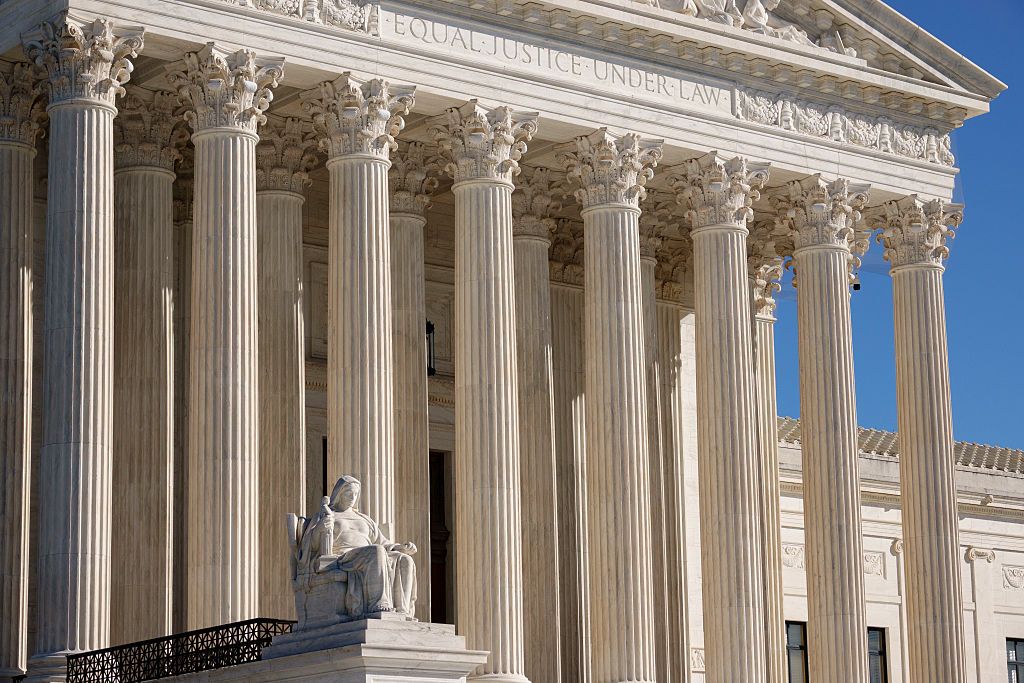
Supreme Court Hears Nielsen v. Watanabe: Inmate Medical Rights and Bivens Claims
Summary
- Kekai Watanabe, who was formerly incarcerated, sued federal paramedic Francis Nielsen, alleging deliberate indifference to his serious medical needs at a federal detention center in Hawaii.
- Watanabe suffered a fractured coccyx from a gang fight, receiving only over-the-counter pain medication and no specialist care for over two months.
- His lawsuit, filed in federal court in Honolulu, cited the Eighth Amendment and the 1971 Bivens v. Six Unknown Agents precedent to hold federal officials accountable.
- During oral arguments on November 9, 2026, Supreme Court justices appeared likely to dismiss Watanabe's lawsuit, indicating a potential narrowing of Bivens actions for such claims; a decision is expected by mid-2027.
The Core Dispute
The potential outcome of this case signals a narrowing of the scope for Bivens actions against federal officials, particularly concerning Eighth Amendment violations related to inmate medical care.
The Supreme Court recently heard arguments in Nielsen v. Watanabe Supreme Court, a case that could significantly impact the scope of constitutional claims against federal officials. At the heart of the dispute is Kekai Watanabe, who was formerly an inmate and initiated legal action against Francis Nielsen, a paramedic at a federal detention center in Hawaii. Watanabe alleges that Nielsen's failure to provide adequate medical care following a severe injury constituted a violation of his constitutional rights.
Watanabe sustained serious injuries during a gang-related altercation while he was incarcerated. He reported experiencing intense pain to Paramedic Nielsen, yet his treatment was limited to over-the-counter pain relief. Following this, Watanabe was placed in solitary confinement for over two months, during which he did not receive any consultation from a specialist or transfer to a hospital. Seven months after the initial incident, an X-ray finally revealed a fractured coccyx, with bone fragments having penetrated the surrounding soft tissue. Watanabe asserts that he continues to endure "tremendous pain" as a result of these untreated injuries.
Legal Framework and Constitutional Claims
Watanabe's lawsuit, filed in a federal court in Honolulu, contends that Paramedic Nielsen's actions amounted to "deliberate indifference" to his serious medical needs, thereby violating his Eighth Amendment protection against cruel and unusual punishment. This claim falls under the broader umbrella of "inmate medical rights SCOTUS" cases, which often scrutinize the standard of care provided to individuals in federal custody.
The legal foundation for Watanabe's claim rests on the Supreme Court's landmark 1971 decision in Bivens v. Six Unknown Agents. This precedent established that individuals could directly sue federal officials for monetary damages when their constitutional rights were violated, even in the absence of a specific statute authorizing such a suit. Watanabe's case, therefore, seeks to apply this principle to hold a federal employee accountable for alleged deficiencies in "cruel and unusual punishment medical care" within a correctional setting.
Supreme Court's Deliberations
During just over 80 minutes of oral arguments, the justices of the Supreme Court appeared largely unconvinced by Watanabe's arguments, signaling a potential inclination to rule in favor of the prison paramedic. The tenor of the discussion suggested that a majority of the Court might be prepared to dismiss the individual's specific lawsuit. This development raises significant questions about the future of "prison paramedic liability" and the extent to which federal correctional staff can be held personally accountable for alleged constitutional breaches.
While the Court seemed poised to reject Watanabe's claim, it remained ambiguous whether their decision would broadly curtail similar lawsuits in the future. The outcome of Nielsen v. Watanabe Supreme Court is keenly watched, as it could either reinforce or significantly narrow the avenues available for individuals to seek redress for alleged constitutional violations concerning their medical treatment.
Implications for Future Litigation
The potential outcome of this case signals a narrowing of the scope for Bivens actions against federal officials, particularly concerning Eighth Amendment violations related to medical care for those in custody. Should the Court rule as indicated during oral arguments, it would likely increase the difficulty for individuals to successfully pursue such claims, potentially reducing the avenues for accountability against federal employees for "Eighth Amendment deliberate indifference."
For legal practitioners, this development suggests that lawyers representing individuals who were formerly incarcerated may face heightened challenges in litigating claims of inadequate medical care against federal correctional staff. Conversely, those advising federal correctional facilities or their employees might anticipate a reduction in exposure to liability in similar circumstances, potentially altering the landscape of "inmate medical rights SCOTUS" jurisprudence. This case could mark a significant shift in how federal employees are held responsible for alleged constitutional infringements in the provision of medical services.
Practical Implications
This case signals a potential narrowing of the scope for Bivens actions against federal officials for Eighth Amendment violations concerning inmate medical care. Lawyers representing inmates should prepare for increased difficulty in pursuing such claims, while those advising correctional facilities or federal employees may see reduced exposure to liability in similar circumstances.
Source
How does this affect you?
Get an AI analysis of this article grounded in your jurisdictions, practice areas, and any policy documents you've uploaded to Wansom.
Finish Reading the Full Story and the Expert Analysis.
Get the latest legal & regulatory intelligence in United States
Wansom is AI and can make mistakes.