
Xai-Xai Administrator: Refutes Nguluzane Food Aid Diversion Allegations
Summary
- Residents in four Nguluzane communities in Mozambique are again reporting alleged food aid diversion and exclusion.
- Neighborhood secretaries are implicated in schemes that reportedly excluded over 150 needy families between June and September.
- Xai-Xai administrator Avelina Nhanzimo has publicly denied the existence of these alleged schemes.
- The complaints highlight ongoing concerns about transparency and accountability in local food distribution efforts.
Allegations Surface in Nguluzane
If these allegations are substantiated, they could severely erode public trust in both local governance and the efficacy of international aid programs.
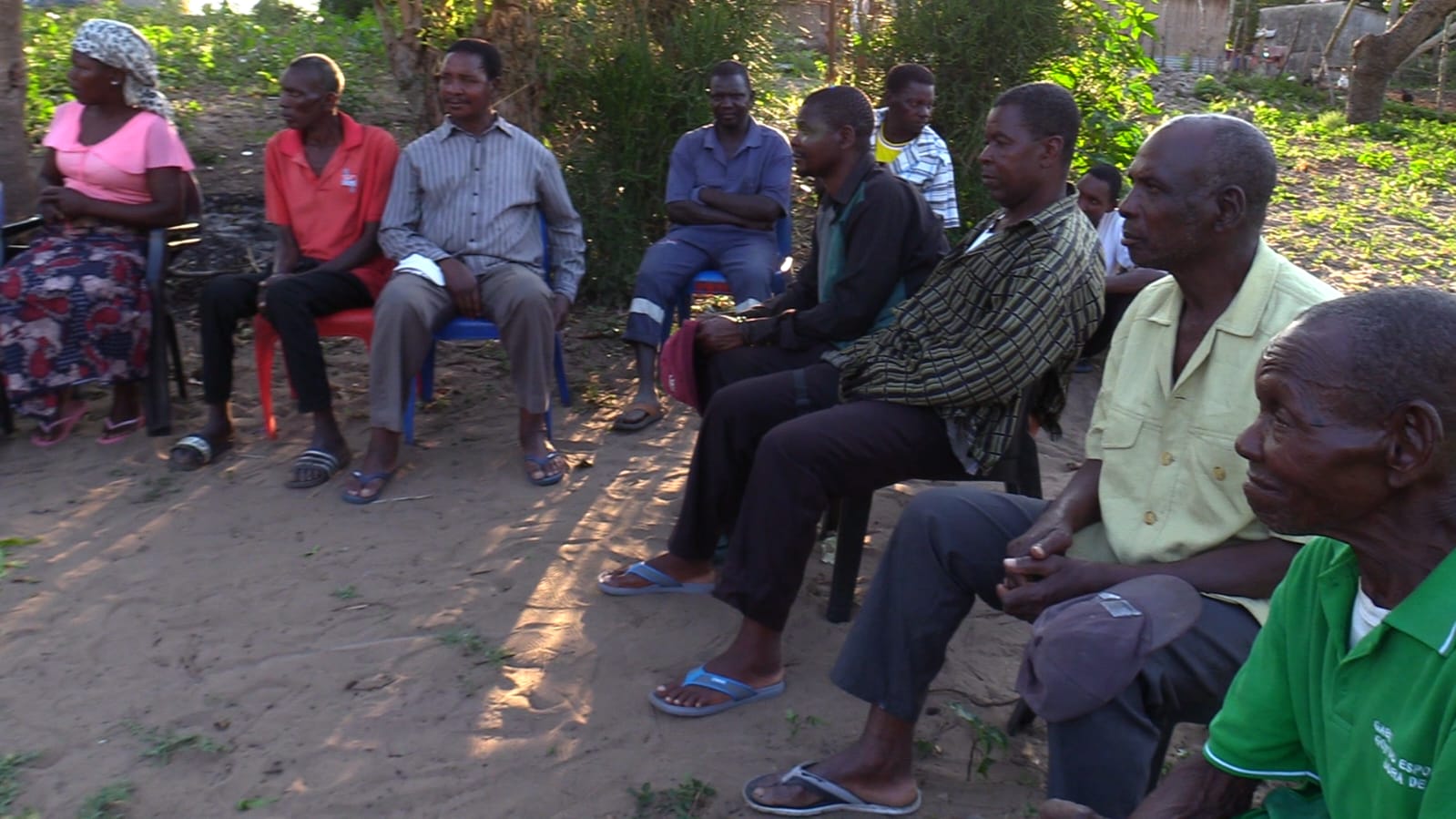
Residents across four communities within Nguluzane, located in Mozambique's Xai-Xai district, Gaza province, have once again brought forward serious allegations concerning the distribution of food aid. These complaints detail alleged schemes of diversion and exclusion, directly implicating local neighborhood secretaries in the mismanagement of essential supplies intended for vulnerable populations. The recurring nature of these grievances suggests a persistent problem within the aid delivery system.
The community reports indicate that more than 150 families, identified as being in need, were reportedly excluded from receiving food assistance during a critical period spanning from June to September. Such exclusions, if proven, would represent a significant failure in humanitarian efforts and a direct impact on the well-being of a substantial number of individuals. The focus on local officials highlights concerns about accountability at the grassroots level of aid distribution.
In response to these serious claims, Avelina Nhanzimo, the administrator for Xai-Xai, has publicly refuted the existence of any such schemes. Her denial sets up a direct contradiction with the community's persistent complaints, underscoring the need for a thorough and impartial examination of the situation to ascertain the truth behind the Nguluzane food aid diversion allegations.
Context of Aid Distribution in Mozambique
The allegations of Xai-Xai food distribution corruption emerge against a backdrop where food aid is a vital lifeline for many communities in Mozambique, a nation frequently impacted by climatic events and economic challenges. The distribution process often relies heavily on local administrative structures, including neighborhood secretaries, who are tasked with identifying beneficiaries and overseeing the delivery of aid. This reliance places significant trust in these officials, making their integrity paramount to the success of humanitarian initiatives.
Such a system, while designed for efficiency in reaching remote areas, inherently carries risks of abuse if oversight mechanisms are weak. The involvement of Mozambique aid diversion local officials, as alleged in Nguluzane, points to potential vulnerabilities within the aid chain where resources can be diverted from their intended recipients. Ensuring transparency and robust accountability measures throughout the entire distribution process is crucial to prevent such occurrences and maintain public confidence in aid programs.
These incidents, even as allegations, underscore the complex challenges faced by organizations and governments in ensuring that humanitarian assistance reaches those who need it most, without being compromised by corruption or mismanagement at any level. The integrity of the distribution network is fundamental to the effectiveness and ethical standing of all aid operations.
Implications for Trust and Oversight
The Nguluzane community complaints regarding alleged food aid diversion carry significant implications, not only for the immediate beneficiaries but also for the broader framework of humanitarian assistance in the region. If these allegations are substantiated, they could severely erode public trust in both local governance and the efficacy of international aid programs. Such a loss of confidence can make future aid efforts more challenging, as communities may become hesitant to engage with distribution initiatives.
For organizations involved in humanitarian work, these reports highlight critical compliance and reputational risks. They necessitate a rigorous review of internal controls, beneficiary identification processes, and monitoring mechanisms to safeguard against potential corruption. The denial by Avelina Nhanzimo, Xai-Xai's administrator, further emphasizes the need for independent verification to either clear the names of those implicated or hold accountable any individuals found to be engaging in illicit activities.
Ultimately, the persistence of these allegations signals the potential for administrative or even criminal proceedings against officials if evidence of wrongdoing emerges. Beyond legal ramifications, the ethical imperative to ensure aid reaches its intended recipients demands a proactive and transparent response to these serious claims, reinforcing the commitment to integrity in humanitarian operations.
Practical Implications
Lawyers advising NGOs or international aid organizations operating in Mozambique should note these allegations of local official involvement in aid diversion, as they highlight significant compliance and reputational risks, necessitating robust internal controls and potential investigation protocols. This also signals potential for administrative or criminal proceedings against officials.
Source
How does this affect you?
Get an AI analysis of this article grounded in your jurisdictions, practice areas, and any policy documents you've uploaded to Wansom.
Finish Reading the Full Story and the Expert Analysis.
Get the latest legal & regulatory intelligence in Mozambique
Wansom is AI and can make mistakes.