
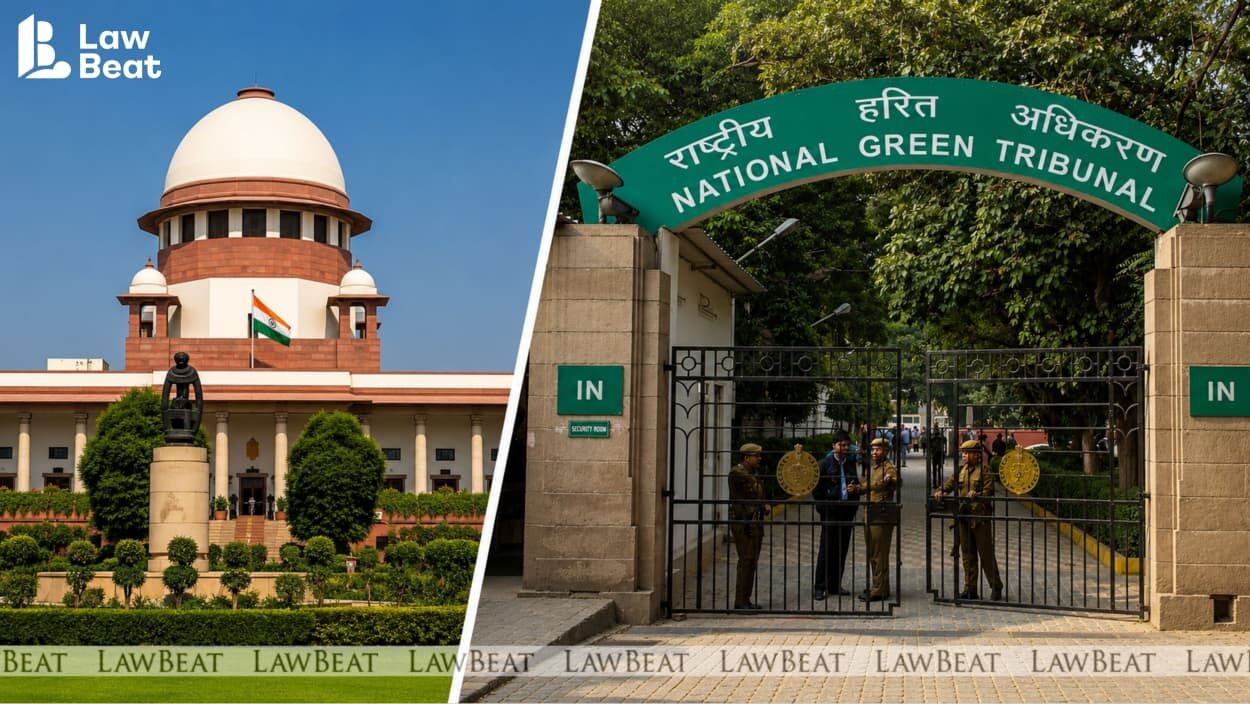
Supreme Court to Hear NGT Zonal Benches Non-Functional Plea September 8
Summary
- The Supreme Court will hear an urgent plea on September 8 regarding the potential non-functionality of several NGT zonal benches.
- Extended tenures for certain NGT judicial members are set to expire on September 8, threatening to halt operations at three regional benches, including the Southern and Western zones.
- The NGT Bar Association informed the Supreme Court that the NGT Act prohibits single-member benches, meaning affected regional operations would cease.
- Should the benches become non-functional, all matters would likely be transferred to the Principal Bench in Delhi, which itself faces a reduction in operational capacity.
- The recently enacted Tribunals Reforms Act, 2026, aims to establish a National Tribunals Commission to centralize appointments and administration, with defined timelines to prevent future vacancies.
Urgent Supreme Court Hearing on NGT Functionality
Should these NGT member vacancies persist, the immediate consequence would be a significant disruption to case management.
The Supreme Court has scheduled an urgent hearing for September 8 to address critical concerns regarding the potential cessation of operations at several National Green Tribunal (NGT) zonal benches. This development follows a plea brought by the NGT Bar Association, highlighting the imminent risk of `NGT zonal benches non-functional Supreme Court September 8` due to expiring judicial member tenures. The apex court had previously granted an extension to certain NGT members, but their extended terms are set to conclude on September 8, raising fears that the tribunal's regional operations could grind to a halt.
On August 31, 2026, a Supreme Court bench comprising Chief Justice of India Surya Kant and Justices Joymalya Bagchi and V Mohana was informed by the `Supreme Court NGT Bar Association` about the critical situation. The association emphasized that without new appointments or further extensions, three of the NGT's zonal benches face immediate closure. The court, acknowledging the urgency of the matter, agreed to advance the hearing from its initially scheduled date of September 15 to September 8, directly addressing the association's request to intervene before the tenures lapse.
The Looming Crisis for Regional Benches
The core of the problem lies in the National Green Tribunal Act, which explicitly prohibits the functioning of a single-member bench. Consequently, if the tenures of the current members expire without replacements, the affected `NGT zonal benches` will be rendered inoperable. The `NGT Bar Association` specifically identified the Southern Bench and the Western Zone Bench as being among those at risk, warning that their complete incapacitation would severely impact environmental justice proceedings.
Should these `NGT member vacancies` persist, the immediate consequence would be a significant disruption to case management. The counsel for the Bar Association indicated that only the Principal Bench in Delhi would remain operational, potentially for three months or more, until new appointments are finalized. This would necessitate the transfer of all cases from the non-functional zonal benches to Delhi, placing an immense burden on the Principal Bench, which itself is slated to lose one of its two operational benches on September 8. The Madras bench is also currently active. This scenario underscores the potential for widespread `National Green Tribunal dysfunction` across the country.
Regulatory Overhaul and Future Appointments
Amidst these immediate concerns, the Chief Justice of India, Surya Kant, referenced the recently enacted `Tribunals Reforms Act, 2026`. This legislative measure, passed by the Lok Sabha on August 10 and the Rajya Sabha on August 11, aims to fundamentally restructure the administrative framework for tribunals. Its primary objective is to transition from a fragmented system to a unified institutional structure, thereby addressing systemic issues like `NGT member vacancies` and ensuring smoother operations.
A cornerstone of the `Tribunals Reforms Act 2026 NGT` is the establishment of the National Tribunals Commission (NTC) under Section 3. This central body is designed to oversee all aspects of tribunal functioning, including appointments, administration, performance reviews, and complaint resolution. Furthermore, the Act introduces a National Tribunals Data Grid, intended to serve as a comprehensive central repository for all case-related information, enhancing transparency and efficiency across the tribunal system.
Streamlining the Appointment Process
The `Tribunals Reforms Act, 2026` specifically targets the issue of prolonged vacancies through a streamlined appointment process. Section 4(a) mandates that the National Tribunals Commission (NTC) will conduct the selection process via Search-cum-Selection Committees, established under Section 13. These committees are tasked with recommending one suitable candidate for each vacancy, along with an additional name for a waiting list, as stipulated in Section 14(6).
Crucially, the Act imposes strict timelines to prevent future `National Green Tribunal dysfunction`. The committee must forward its recommendations to the Central Government within three days. Subsequently, the government is required to process these recommendations and finalize appointments within three months of their receipt. While the Act includes a savings clause (Section 24(3)) ensuring that any ongoing appointment processes should be completed, the `Supreme Court NGT Bar Association` counsel expressed uncertainty about the immediate impact of these new provisions on the current crisis, given the rapid approach of the September 8 deadline.
Practical Implications
Lawyers with matters before NGT Southern or Western zonal benches should anticipate potential operational halts or transfer of cases to the Principal Bench in Delhi if member tenures expire on September 8 without extension or new appointments. This development highlights the ongoing challenges in tribunal functioning and the potential impact of the Tribunals Reforms Bill 2026 on future appointments and case management.
Source
How does this affect you?
Get an AI analysis of this article grounded in your jurisdictions, practice areas, and any policy documents you've uploaded to Wansom.
Finish Reading the Full Story and the Expert Analysis.
Wansom is AI and can make mistakes.