
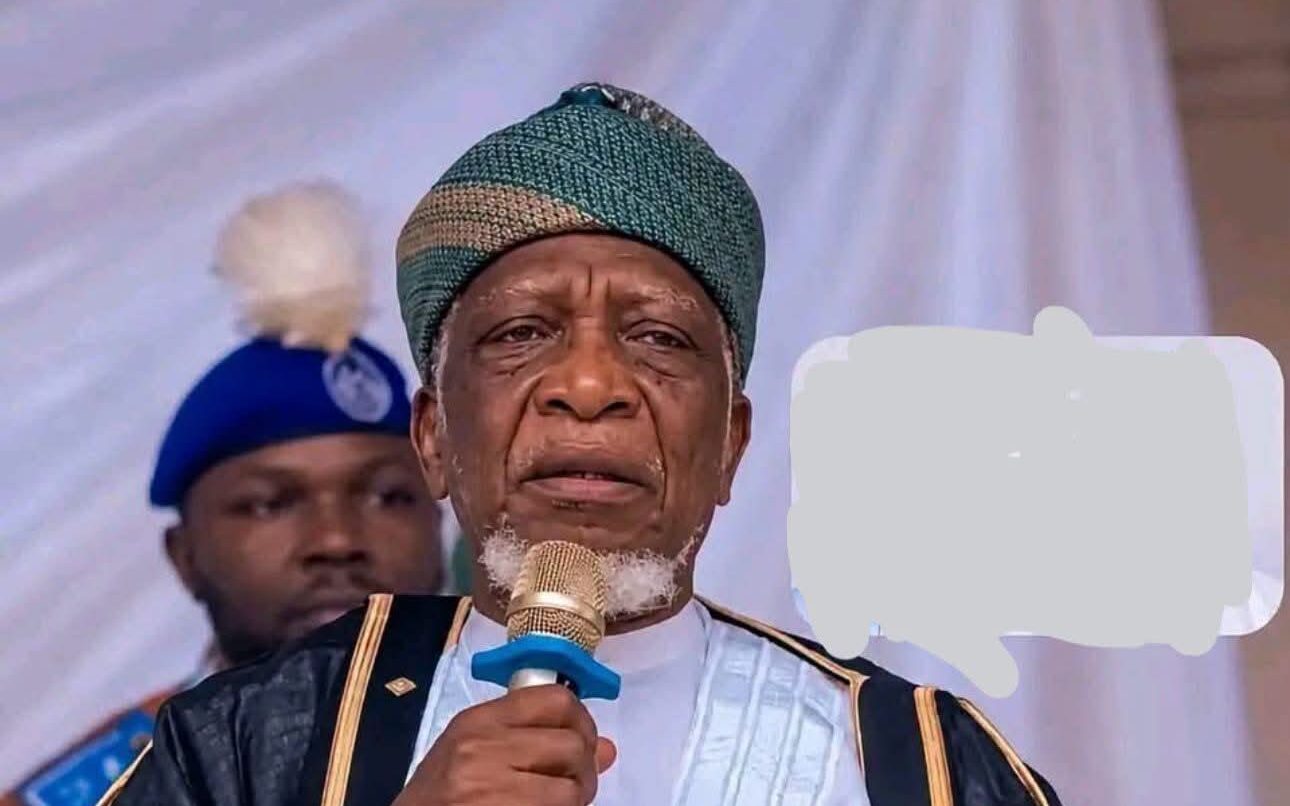
NG NHRC Demands Arrest of Sani Jingir Over Muslim-Muslim APC Ticket
Summary
- The National Human Rights Commission (NHRC) has demanded the arrest of Islamic cleric Sani Jingir over his comments on the APC's Muslim-Muslim ticket.
- The NHRC believes that Mr. Jingir's arrest will serve as a deterrent to others who may try to use religion to further their political interests.
- The case highlights the complex relationship between religion, politics, and law in Nigeria and raises questions about the limits of free speech.
What Happened
The NHRC believes that Mr. Jingir's arrest will serve as a deterrent to others who may try to use religion to further their political interests.
The National Human Rights Commission (NHRC) has called for the arrest of Islamic cleric Sani Jingir over his comments on the All Progressives Congress's (APC) Muslim-Muslim ticket. The demand comes after Mr. Jingir sparked controversy with his remarks, which some interpreted as an attempt to exploit religion for political gain. According to sources, the NHRC believes that Mr. Jingir's arrest will serve as a deterrent to others who may try to use religion to further their political interests. This move has been seen as a significant development in Nigeria's ongoing debate on religious politics and its intersection with law.
Legal Context
The NHRC's demand for Mr. Jingir's arrest raises questions about the limits of free speech in Nigeria, particularly when it comes to sensitive political issues. The commission's stance is likely to be closely watched by lawyers and human rights activists, who will be monitoring how this case unfolds and its potential implications on freedom of speech and religion in the country. In recent years, there have been growing concerns about the government's handling of sensitive political issues, with some critics accusing it of using laws to suppress dissenting voices. The NHRC's move may set a precedent for how the government addresses such issues in the future.
Why It Matters
The controversy surrounding Mr. Jingir's comments and the NHRC's demand for his arrest highlights the complex relationship between religion, politics, and law in Nigeria. The case has sparked a heated debate about the role of religion in politics and the limits of free speech in addressing sensitive issues. As the country heads into elections, this development is likely to have significant implications for the political landscape and the way politicians navigate religious sensitivities. Lawyers will be closely watching how this case unfolds, as it may set a precedent for the government's handling of similar issues in the future.
Practical Implications
Lawyers should watch for potential implications of this arrest on freedom of speech and religion in Nigeria, as it may set a precedent for the government's handling of sensitive political issues.
Source
How does this affect you?
Get an AI analysis of this article grounded in your jurisdictions, practice areas, and any policy documents you've uploaded to Wansom.
Wansom is AI and can make mistakes.