
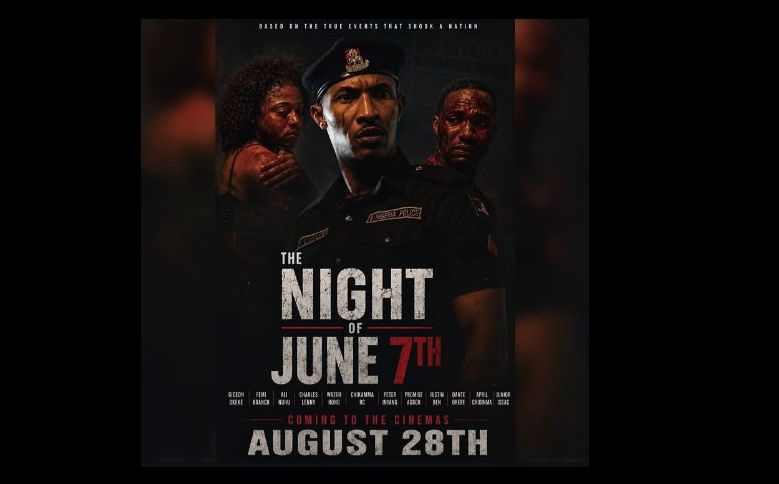
NFVCB: Suspends Linda Ikeji Apo Six Film, Refers to SSS Review
Summary
- The National Film and Video Censors Board (NFVCB) has suspended the cinema release of a film by media entrepreneur Linda Ikeji.
- The film, titled "The Night of June 7th," is based on the 2005 killing of six young Nigerians by police officers in Abuja.
- The NFVCB has referred the production to the State Security Service (SSS) for further review.
- The film will remain on hold while both regulatory bodies assess its content.
- This action signals heightened regulatory scrutiny for films addressing sensitive historical events in Nigeria.
Regulatory Halt for "Apo Six" Film
The NFVCB's decision to suspend Linda Ikeji's film "The Night of June 7th" and refer it to the SSS sends a clear signal to the Nigerian film industry regarding the evolving landscape of content regulation.
The National Film and Video Censors Board (NFVCB) has taken significant action concerning a film produced by media entrepreneur Linda Ikeji, ordering the suspension of its cinema release. The film, titled "The Night of June 7th," delves into the sensitive subject of the 2005 killing of six young Nigerians by police officers in Abuja, a historical event that continues to resonate within the country.
Further escalating the regulatory scrutiny, the NFVCB has referred the production to the State Security Service (SSS) for an in-depth review. This inter-agency involvement means that the film will remain on hold indefinitely while both governmental bodies assess its content. The joint review by the National Film and Video Censors Board and the State Security Service signifies a heightened level of official examination for the project.
Inter-Agency Review and Content Scrutiny
The decision by the National Film and Video Censors Board to suspend the cinema release of Linda Ikeji's film "The Night of June 7th" and involve the State Security Service underscores a robust regulatory approach to content deemed sensitive in Nigeria. This procedural step ensures that the production undergoes a thorough examination by multiple governmental bodies before any public exhibition, reflecting the complexities of Nigerian entertainment law censorship.
The SSS review of "The Night of June 7th" film, following the NFVCB's referral, suggests that the content may touch upon matters beyond standard film classification, potentially involving national security or public order considerations. This multi-layered regulatory oversight is a critical component of the country's content control framework, particularly for works that address historical events with significant social or political resonance. The film, which documents the Apo Six killings, is now subject to this comprehensive evaluation by state regulators.
Implications for Nigerian Filmmaking
The NFVCB's decision to suspend Linda Ikeji's film "The Night of June 7th" and refer it to the SSS sends a clear signal to the Nigerian film industry regarding the evolving landscape of content regulation. Filmmakers, especially those intending to produce works based on sensitive historical or political events, may face increased scrutiny. This incident highlights the potential for regulatory bodies to intervene significantly in the distribution pipeline, impacting creative freedom and project timelines.
This situation underscores the potential censorship risks inherent in tackling contentious subjects within the Nigerian media space. The ongoing SSS review of "The Night of June 7th" film serves as a crucial case study for understanding the boundaries of creative expression and regulatory control. The outcome of this review will likely shape future approaches to Nigerian entertainment law censorship and influence how media entrepreneurs navigate the regulatory environment when producing documentaries or dramatizations of sensitive national events.
Practical Implications
This development signals increased regulatory scrutiny and potential censorship risks for filmmakers in Nigeria, particularly those addressing sensitive historical or political events. Lawyers advising media clients should monitor the outcome to understand the evolving scope of content regulation by the NFVCB and SSS.
Source
How does this affect you?
Get an AI analysis of this article grounded in your jurisdictions, practice areas, and any policy documents you've uploaded to Wansom.
Finish Reading the Full Story and the Expert Analysis.
Wansom is AI and can make mistakes.