
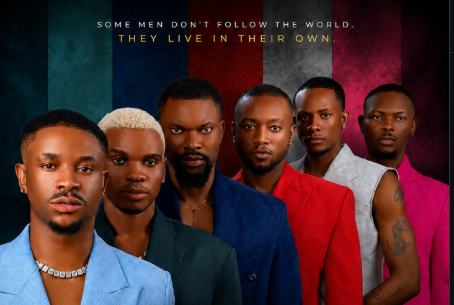
NFVCB: Gay Series YouTube Return Prompts Renewed Censorship Threat
Summary
- Nigeria's film regulator renewed its threat against a gay-themed series after three previously removed episodes reappeared online.
- The series, a Nigerian production, resurfaced on YouTube, prompting the regulatory body's action.
- This incident highlights the National Film and Video Censors Board's ongoing efforts to enforce content restrictions on LGBTQ+ themes.
- The regulator's move signals its intent to extend its oversight to content hosted on international digital platforms accessible within Nigeria.
Renewed Regulatory Action
Understanding the NFVCB's renewed and persistent efforts to enforce content restrictions on LGBTQ+ themes, even when content is hosted on international platforms like YouTube, is paramount for mitigating potential legal challenges and content removal demands.
Nigeria's primary film and video content regulator has recently reiterated its intent to enforce content restrictions, following the reappearance of a previously removed production online. This development signals a persistent focus by the National Film and Video Censors Board (NFVCB) on content deemed inappropriate under its mandate, particularly concerning themes that challenge established cultural and legal norms.
The regulator's renewed threat was specifically prompted by the resurfacing of three episodes from a Nigerian series on YouTube. This production, explicitly described as gay-themed, had been previously taken down, indicating an ongoing cat-and-mouse dynamic between content creators and regulatory bodies in the digital space. The NFVCB's action underscores its continued efforts to monitor and control content accessible within Nigeria, even when hosted on international platforms.
Context of Nigerian Content Censorship
The National Film and Video Censors Board operates under a broad mandate to classify, censor, and approve all films and video works intended for public exhibition in Nigeria. This authority extends to ensuring that content aligns with national values, public morality, and existing legal frameworks. The Nigerian legal landscape includes stringent laws against same-sex relations, which significantly influence the NFVCB's stance on LGBTQ content censorship.
Historically, the NFVCB has issued warnings and taken measures against productions perceived to promote or normalize LGBTQ+ themes, reflecting a broader societal and governmental disapproval. This latest incident, involving the NFVCB warning gay-themed content, reinforces the regulator's commitment to upholding these standards across all media, including digital and streaming platforms, despite the inherent challenges of YouTube content regulation in Nigeria.
Jurisdictional Complexities on Digital Platforms
The return of the gay-themed Nigerian series to YouTube highlights the intricate jurisdictional challenges faced by national regulators like the NFVCB in the digital age. While content may be hosted on international servers, its accessibility within Nigeria places it within the purview of local regulatory bodies. The NFVCB's renewed threat demonstrates its determination to extend its regulatory reach beyond traditional broadcast and physical media to encompass online streaming services.
This ongoing effort to regulate content on global platforms like YouTube means that creators and distributors cannot assume immunity from local laws simply by hosting their material internationally. The NFVCB gay series YouTube return incident serves as a clear indicator that the Board is actively monitoring online spaces and is prepared to take action, whether through direct communication with platforms for content removal or by other means to restrict access within the country, thereby shaping Nigerian film regulation concerning LGBTQ content.
Implications for Creators and Legal Counsel
This development carries significant implications for Nigerian content creators, particularly those exploring sensitive or controversial themes. The NFVCB's persistent stance signals that productions featuring LGBTQ+ narratives will continue to face scrutiny and potential regulatory action, regardless of their distribution channel. This creates an environment of uncertainty and risk for artists and producers navigating the boundaries of creative expression within Nigeria.
For legal professionals advising media companies, content creators, or streaming services operating in Nigeria, this incident underscores the critical need for vigilance. Lawyers must counsel clients on the evolving landscape of compliance risks related to Nigerian LGBTQ content censorship and the complexities of jurisdictional enforcement on digital platforms. Understanding the NFVCB's renewed and persistent efforts to enforce content restrictions on LGBTQ+ themes, even when content is hosted on international platforms like YouTube, is paramount for mitigating potential legal challenges and content removal demands.
Practical Implications
This development signals the NFVCB's renewed and persistent efforts to enforce content restrictions on LGBTQ+ themes, even when content is hosted on international platforms like YouTube. Lawyers advising media companies, content creators, or streaming services operating in Nigeria should be aware of potential legal challenges or content removal demands related to such material, and counsel clients on compliance risks and jurisdictional complexities.
Source
How does this affect you?
Get an AI analysis of this article grounded in your jurisdictions, practice areas, and any policy documents you've uploaded to Wansom.
Finish Reading the Full Story and the Expert Analysis.
Get the latest legal & regulatory intelligence in Nigeria
Wansom is AI and can make mistakes.